

The Standard Schnauzer is a medium-sized working dog developed in Germany to handle demanding farm chores. Historically, they were bred as versatile utility dogs to guard property, drive livestock, and control rats and vermin around farms and stables.
What makes this original schnauzer stand out is the combination of sharp intelligence, athletic endurance, and a coarse, wiry coat featuring a distinct beard and eyebrows. Standard schnauzers are highly capable and intensely loyal to their family. They thrive when given a daily job and consistent physical activity.
This guide draws on AKC breed information, Standard Schnauzer Club of America health screening guidance, and veterinary references to outline what living with this dog actually requires.
Owners who commit to firm obedience work, broad early socialization, and daily vigorous exercise are rewarded with an exceptional companion. This is a breed that learns quickly and forms tight bonds with handlers who provide clear leadership.
Families looking for a low-maintenance pet should know going in that this is an alert, energetic breed that can be highly stubborn. A standard schnauzer left alone without a clear routine will quickly find their own job to do, which usually involves persistent barking or chewing.
Affiliate Disclosure: K9Sphere is a participant in the Amazon Services LLC Associates Program. As an Amazon Associate, K9Sphere earns from qualifying purchases made through links in this article at no additional cost to you. Product recommendations are based on independent research and editorial judgment, not paid placement.
Breed Snapshot
📊 Vitals and Lifespan
Height
Males: 18.5–19.5 in (47–50 cm)
Females: 17.5–18.5 in (44–47 cm)
Weight
Males: 35–50 lb (16–23 kg)
Females: 30–45 lb (14–20 kg)
Lifespan
13–16 years
Breed Group
Working Group
Origin
Germany
🇩🇪
⭐ Personality Traits
Ratings (1 to 5). This medium-sized farm dog balances intense loyalty and high energy against a stubborn streak and specialized grooming needs.
History and Origin
The standard schnauzer is the original template for the breed type and the oldest of the schnauzer breeds. Originating in Germany during the Middle Ages, these dogs were designed as versatile utility workers. They kept rats out of the stables, drove cattle to the local market, and stood guard over the family homestead.
📌 1400s: The Farm Dog Era
Depicted in artwork by Albrecht Dürer and Rembrandt, these rough-coated dogs were common sights in European farmyards. They were often referred to simply as wire-haired pinschers. Farmers valued their thick coats, which protected against harsh weather and vermin bites.
📌 1879: The Name Becomes Official
At a major German exhibition in Hanover, a wire-haired pinscher named “Schnauzer” drew widespread attention. The dog’s name translates to “snout” or “mustache” in German. The name gradually attached to the whole breed type and became standard over the following decades.
📌 1900s: Three Sizes Emerge
As the new century approached, German breeders began developing different sizes for specific tasks. The Miniature Schnauzer and Giant Schnauzer were both developed from the standard type by crossing it with other breeds, the miniature bred down with smaller dogs and the giant built up with larger droving and guarding breeds.
📌 1904: AKC Recognition
The American Kennel Club recognized the standard schnauzer dog breed in 1904. During World War I, the breed proved its courage by serving the German army as dispatch carriers and Red Cross aides. Today, they compete in obedience and agility while serving as energetic family companions.
Physical Characteristics
The standard schnauzer has a robust, square build that highlights its history as a hard-working dog. They move with a quick, powerful stride that reveals plenty of athletic ability beneath the dense fur.
🎨 The Wiry Coat
The breed features a tight, harsh outer coat and a soft undercoat. They come in two recognized colors. The most common is pepper and salt, which creates a banded gray appearance. The other is solid black. They shed very little, making them a popular choice for homes concerned about loose fur.
🏗️ The Iconic Head
The rectangular head is framed by the signature beard and thick eyebrows. These features originally shielded the face from debris and defensive bites when hunting rats. The eyes are dark brown and highly expressive, while the ears sit high on the skull. Ears can be cropped or left natural, and the tail is traditionally docked in the US, though natural tails are common globally.
Character and Temperament
These dogs are spirited, playful, and incredibly alert. They form deep attachments to their owners and want to be involved in whatever the family is doing. They are not dogs that will sleep quietly in the corner all day.
🛡️ Alert Guardians
They take their historical role as property guardians very seriously. They have a loud, deep bark and will announce any stranger approaching the house. While they are protective, a well-socialized schnauzer should settle down once the owner welcomes the guest inside. They are typically reserved with new people until they feel comfortable.
🔥 Serious Ratters
The prey drive is strong. Standard schnauzers may strongly chase squirrels, rabbits, and neighborhood cats. Letting them off-leash in an unfenced area is genuinely risky. Coexisting with small pets like hamsters or guinea pigs is generally a bad idea given their hunting instincts.
💪 Intelligent but Stubborn
Standard schnauzers are intelligent and learn complex tasks quickly. However, they are also independent thinkers. If they decide a command is pointless, they may well choose to ignore it. This stubborn streak means handlers do best when they stay firm, patient, and consistent enough to earn the dog’s respect.
🧠 High Mental Needs
Physical activity is only half the battle. They need tasks to solve. Scent work, advanced trick training, and puzzle toys help burn off mental energy. A bored schnauzer left alone with nothing to do can develop destructive behavior or separation anxiety, so steady routine and enrichment matter as much as the daily walk.
Screening and Conditions
Veterinary Disclaimer: The information in this article is for educational purposes only and is not a substitute for professional veterinary advice, diagnosis, or treatment. K9Sphere’s authors are experienced dog owners, not licensed veterinarians. Always consult a qualified DVM regarding any health concerns about your pet. Never disregard professional veterinary advice or delay seeking it because of something you have read on this site.
Health Information Sources: Data compiled from:
- Standard Schnauzer Club of America (SSCA): Recommended OFA and CHIC health testing protocols
- American Kennel Club: Breed reference and health maintenance guidance
- OFA (Orthopedic Foundation for Animals): Joint and eye screening databases
Always consult your licensed DVM for personalized medical advice.
Fortunately, the standard schnauzer is generally a healthy, hardy breed, but there are a few conditions worth understanding before you bring one home. Reputable breeders test their breeding stock to keep genetic issues out of the bloodline. Even so, owners should keep an eye out for a few specific problems across the dog’s life.
Common Health Risks
🔴 Hip Dysplasia
What to watch for: Stiffness after resting, an abnormal bunny-hopping gait when running, and reluctance to jump onto furniture or climb stairs. This joint condition occurs when the hip socket forms incorrectly, leading to arthritis and pain.
Screening: Ask breeders for OFA or PennHIP joint clearances for both parents. Managing the dog’s weight is critical to reduce stress on the joints. Discuss with your vet whether a high-quality joint supplement is appropriate as the dog enters its senior years.
🟡 Eye Conditions
What to watch for: Cloudiness in the eye lens, bumping into furniture, and general vision loss. Cataracts and progressive retinal atrophy (PRA) are documented in the breed.
Screening: Both parents should have a current clearance from a board-certified veterinary ophthalmologist. Annual eye exams catch developing issues early. While some conditions lead to blindness, dogs adapt surprisingly well if the environment remains stable.
🟡 Follicular Dermatitis (Schnauzer Bumps)
What to watch for: Small, hard bumps that resemble blackheads or pimples along the dog’s back and neck. This is a commonly discussed skin issue among schnauzer owners and can lead to itchy, infected sores if ignored.
Management: Regular grooming and the use of specialized anti-itch shampoos keep the skin clear. If the bumps become inflamed, veterinary treatment with antibiotics or medicated wipes is necessary.
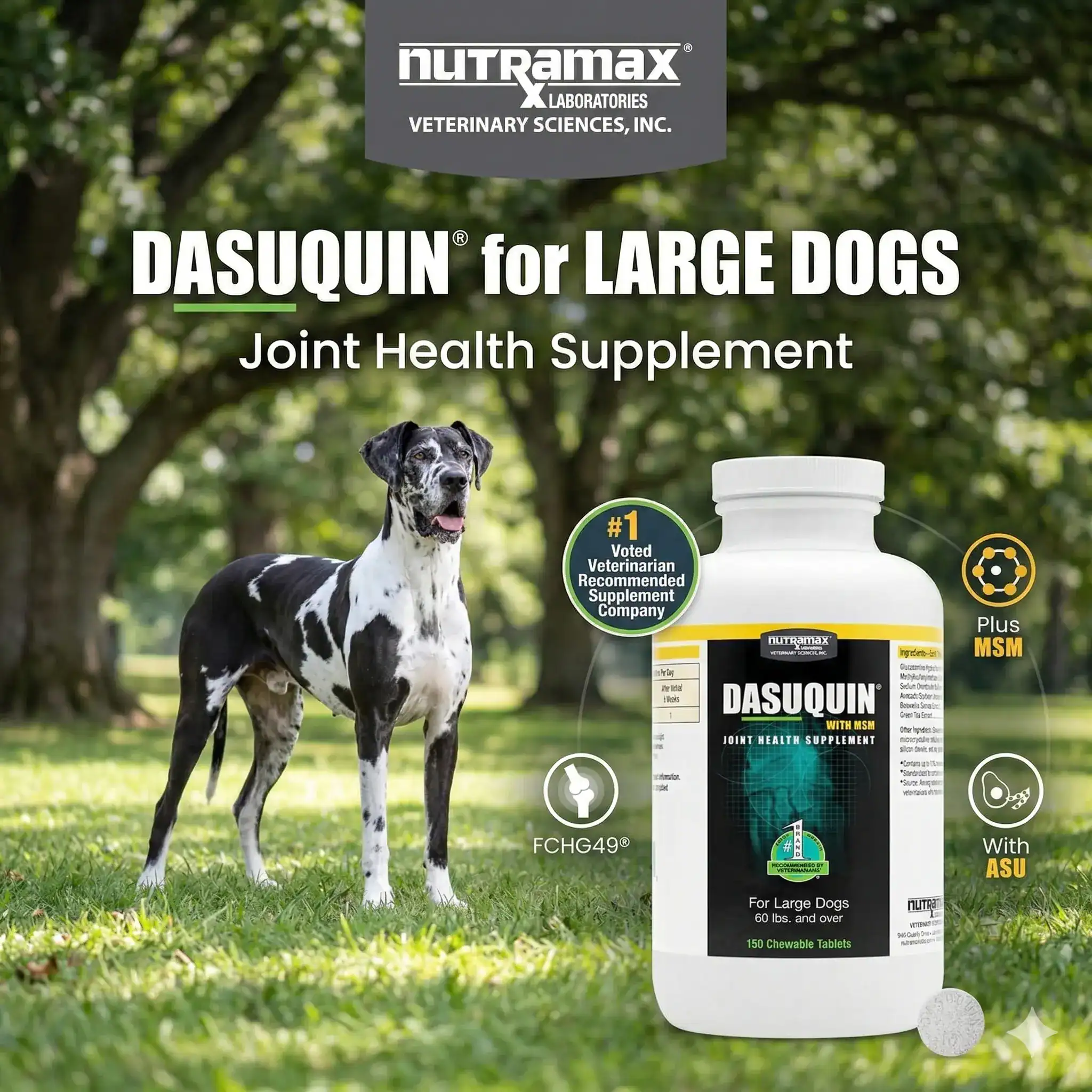
Nutramax Dasuquin with MSM Soft Chews
Use for: Supporting joint health and cartilage integrity in highly active dogs prone to hip dysplasia. Can be split for medium dogs to provide glucosamine, chondroitin, and MSM daily.
Check price on AmazonGrooming and Coat Care
A standard schnauzer requires serious grooming commitment. You must strip the coat by hand or commit to clipper cuts every six weeks. Hand stripping preserves the wiry texture and rich color of the harsh outer coat. This involves plucking dead hairs manually, a time-consuming process usually reserved for show dogs. Most pet owners choose a regular clipper haircut instead.
Clipping is easier, but it softens the coat texture and can make the pepper and salt color fade to a solid silver over time. Regardless of the style you choose, you need to brush the dog multiple times a week to prevent mats in the softer leg furnishings and beard.
The iconic beard requires daily maintenance. It acts like a sponge for water, food debris, and mud. Wipe the beard clean after meals to prevent yeast infections and unpleasant odors. If your dog suffers from the common schnauzer bumps or general itchiness, bathing with a gentle shampoo formulated for sensitive skin provides relief without stripping the coat’s essential oils.

Wahl USA Dry Skin & Itch Relief Pet Shampoo
Use for: Soothing the itchy, bump-prone skin that schnauzers are known for. The oatmeal and aloe formula calms irritation and cleans the wiry coat and beard without drying out the skin.
Check price on AmazonExercise and Living Needs
Do not let the medium size fool you. This is an athletic farm dog that needs a lot of exercise, and it can be surprisingly hard to tire out. Plan to spend at least an hour every single day engaged in brisk walks, jogging, or fetch sessions. Short neighborhood walks are rarely sufficient.
Can they live in an apartment? Yes, but it is hard work. They are vocal dogs that will bark at hallway noises. Managing that instinct requires dedication. A house with a securely fenced yard is a much better fit, giving them a safe place to run and patrol without chasing neighborhood wildlife into traffic.
Nutrition & Diet
Feeding a high-quality diet matched to their activity level keeps their dense coat healthy and provides steady energy for training.
🐶 Puppy Stage
Standard schnauzer puppies grow quickly. Feed a quality puppy formula three times a day. Avoid the temptation to overfeed them, as excess weight during the first year puts severe strain on developing hips and joints. Keep them lean and use healthy training treats.
🐕 Adult Stage
Adults usually thrive on two measured meals per day. Because they are highly active, a protein-rich diet supports muscle maintenance. Keep table scraps to a minimum and avoid sharing rich human food to prevent digestive upset.
🐕🦺 Senior Stage
As they approach 10 years of age, their metabolism slows down. Switch to a senior diet with fewer calories and ask your vet about joint support supplements to ease arthritis. Regular dental cleanings become critical in the senior years to prevent heart and kidney problems linked to tooth decay.
Training
Training a standard schnauzer asks for patience, a sense of humor, and consistency. They pick up new commands fast, often after just a few repetitions. The challenge is never their ability to learn. It is their willingness to obey when they see no benefit in doing so.
🛑 Socialization is Crucial
Introduce your puppy to a wide variety of people, sounds, and other dogs before they reach 16 weeks of age. This prevents their natural guarding instinct from turning into fear-based reactivity. A poorly socialized schnauzer can become overly suspicious of every stranger they meet.
👑 Firm Leadership
Keep training sessions short, fun, and varied. If you drill the exact same command twenty times, a schnauzer will simply walk away. Use positive reinforcement and high-value rewards, but enforce the rules strictly. Crate training from an early age gives them a secure place to rest and helps with housebreaking.
Standard Schnauzer vs Miniature Schnauzer vs Giant Schnauzer vs German Pinscher
Understanding the differences among the three schnauzer breeds helps you select the right fit. While they share a similar look, their distinct backgrounds create different management challenges. The Miniature Schnauzer and Giant Schnauzer were both developed from the original standard, but they behave differently.
| Attribute | Standard Schnauzer | Miniature Schnauzer | Giant Schnauzer | German Pinscher |
|---|---|---|---|---|
| Weight | 30–50 lb (14–23 kg) | 11–20 lb (5–9 kg) | 55–95 lb (25–43 kg) | 25–45 lb (11–20 kg) |
| Original Purpose | Farm work and ratting | Barn ratting | Cattle driving and guarding | Farm work and ratting |
| Energy Type | High, needs daily job | Moderate, playful | Very high, intense worker | High, athletic |
| Trainability | Smart but stubborn | Eager to please | Demanding, needs expert | Independent, willful |
| Grooming | Strip or clip, high effort | Clip, high effort | Strip or clip, high effort | Short coat, low effort |
| Threat Response | Alert, vocal watchdog | Vocal alarm barker | Strong, imposing guardian | Alert and territorial |
| First-Time Owner? | With dedication | Yes, excellent choice | No, experienced only | With dedication |
| Common Health Risks | Hip dysplasia, eye issues | Pancreatitis, eye issues | Hip dysplasia, thyroid issues | Eye issues, heart issues |
| Living Space | House with yard ideal | Apartment friendly | Needs space and a yard | Adaptable with daily exercise |
The standard schnauzer is the original template, offering more robust durability than the miniature but remaining much easier to manage physically than the giant. Choose the miniature if you live in a smaller space and want a highly trainable companion. Choose the giant only if you have significant working-dog experience and acreage. The German Pinscher offers a very similar farm-dog temperament to the standard schnauzer but features a smooth, low-maintenance coat. For a much smaller, equally feisty German ratter, the Affenpinscher is worth a look.
Common Questions about the Standard Schnauzer
Are Standard Schnauzers good family dogs?
Direct Answer: Yes, they are excellent with active families, provided the children are taught to respect the dog’s boundaries.
Context: They are sturdy and playful, making them great companions for older kids who want to play fetch or hike. However, their energy and prey drive mean they need supervision around fast-moving young children, since quick movement can trigger a chase response.
Management: Teach every kid in the house how to play gently. Do not allow children to pull the dog’s beard or bother them while eating.
How much does a Standard Schnauzer cost?
Direct Answer: You can expect a price between USD 1,500 and USD 2,500 for a puppy from a reputable breeder.
Context: The purchase price is just the beginning. The ongoing cost of professional grooming every six weeks adds up quickly. You also need to budget for high-quality food, annual vet exams, and potential joint supplements. Pricing varies by country, with UK, Canada, and Australia rates differing.
Management: Factor in grooming costs before you buy. Learning to clip the coat yourself can save a significant amount of money over the dog’s lifespan.
Do Standard Schnauzers shed a lot?
Direct Answer: No, they are considered a low-shedding breed, which is a major pro for owners sensitive to loose fur.
Context: The main con that offsets the low-shedding pro is the time you must spend brushing and trimming the coat. A low-shedding coat requires high-effort grooming to prevent painful mats.
Management: Keep a slicker brush and a metal comb near the couch and brush the dog while watching television to build a low-stress routine.
Are Standard Schnauzers hard to train?
Direct Answer: They are not hard to teach, but they can be very hard to convince.
Context: Their high intelligence means they figure out commands immediately. Their independent nature means they test authority constantly. If a handler is inconsistent, the dog will simply ignore them.
Management: Enforce the rules 100 percent of the time. If the dog is not allowed on the couch on Monday, they cannot be allowed on the couch on Friday.
Can Standard Schnauzers live in apartments?
Direct Answer: Yes, but only with a dedicated owner who prioritizes outdoor exercise every single day.
Context: These are vocal watchdogs with a lot of energy. A bored standard schnauzer left in an apartment will bark at every noise in the hallway, causing problems with neighbors.
Management: Take them for long runs and engage them in mental training daily. Crate training helps them settle down when you leave the unit.
Are Standard Schnauzers hypoallergenic?
Direct Answer: No dog is truly hypoallergenic, but the standard schnauzer’s low-shedding, wiry coat makes it one of the better-tolerated breeds for many allergy sufferers.
Context: Allergic reactions are usually triggered by dander and saliva proteins rather than hair itself. Because schnauzers shed very little, they release less dander into the home, which can reduce symptoms for some people.
Management: Spend time with an adult schnauzer before committing to confirm your tolerance. Frequent grooming, regular bathing, and a good air filter all help keep dander levels down.
Do Standard Schnauzers bark a lot?
Direct Answer: Yes, they are naturally vocal watchdogs that will alert you to anything unusual around the home.
Context: Centuries of guarding work hardwired them to announce visitors, delivery vans, and strange noises. Without training and enough mental stimulation, that instinct can tip over into nuisance barking.
Management: Teach a reliable “quiet” cue early, reward calm behavior, and make sure daily exercise and enrichment needs are fully met to reduce boredom barking.
How often do Standard Schnauzers need grooming?
Direct Answer: Plan on a full clip or hand-strip roughly every six weeks, plus brushing several times a week.
Context: The harsh double coat mats easily in the leg furnishings and beard if neglected. Hand stripping keeps the coat texture and color sharp, while clipping is faster but softens and fades it over time.
Management: Budget for professional grooming or learn to clip at home. Wipe the beard after meals and brush regularly to stay ahead of tangles.
How long do Standard Schnauzers live?
Direct Answer: The standard schnauzer typically lives 13 to 16 years, making it one of the longer-lived medium breeds.
Context: Good genetics, a lean body weight, and routine veterinary care all support that long lifespan. Buying from a breeder who screens for hip and eye conditions improves the odds of a healthy old age.
Management: Keep your dog at a healthy weight, stay current on dental care, and schedule annual senior wellness checks once the dog passes about eight years of age.
Are Standard Schnauzers good guard dogs?
Direct Answer: Yes, they are alert, territorial, and naturally protective, which makes them excellent watchdogs and capable property guardians.
Context: They were bred to guard farms and possessions, so they bond closely with their family and stay wary of strangers until properly introduced. They tend to warn rather than attack.
Management: Thorough early socialization is essential so the guarding instinct stays measured and confident rather than fearful or indiscriminate.
Finding a Puppy
Finding a healthy standard schnauzer puppy requires patience. Because they are less common than the miniature version, you may need to join a waiting list. Always prioritize breeders who focus on temperament and health over a quick sale.
🏠 Responsible Breeders
Look for breeders recognized by the Standard Schnauzer Club of America. A reputable breeder will eagerly show you the OFA health certificates for both parents. They will ask you detailed questions about your lifestyle, exercise habits, and yard setup to ensure the breed is a good match for your home. The puppies should be raised indoors with plenty of exposure to household noises.
🐾 Rescue and Adoption
If you prefer to skip the biting and potty-training phases of a puppy, consider choosing to adopt an adult dog instead. Breed-specific rescue groups often have adult dogs available. Many of these dogs enter rescue because their previous owners underestimated the grooming needs or exercise requirements. An adult dog with established manners makes a wonderful companion.
🚩 Red Flags to Watch For
- Breeders offering a suspiciously low price near you, which often indicates a puppy mill or backyard operation.
- No documented health clearances for hip dysplasia or eye conditions.
- Selling puppies before they are eight weeks old.
- Refusing to let you meet the mother dog or see the living conditions.
- Parents that show aggressive or fearful behavior toward visitors.
📋 Before bringing one home, run this 4-step pre-buying check
- Exercise commitment. Can you guarantee an hour of vigorous physical activity every day?
- Grooming reality. Are you prepared to pay for professional grooming every six weeks or learn to do it yourself?
- Time and training. Do you have the patience to outlast a stubborn, highly intelligent dog that will test your rules?
- Vocal tolerance. Can your living situation handle an alert watchdog that barks at approaching strangers?
If any answer is no, reconsider the breed.
Personal Observation
💭 Personal Observation
Chun Chun, one of my rescues, makes the schnauzer’s coat easy to picture by being its total opposite. She is a ten-year-old girl with a short, no-fuss coat that pretty much looks after itself. A quick brush, the odd bath, and she is done. The wiry schnauzer coat lives in a different world. It needs clipping or hand-stripping every few weeks, and the beard needs a wipe after almost every meal or it turns into a soggy, smelly mess. None of that is hard. It is just steady, never-ending work that a short-coated dog never asks for. So here is the honest takeaway. People often think a medium dog must be easier than a big one. With the standard schnauzer, the real work is not the size at all. It is the time the coat, the brain, and the energy quietly demand from you, day after day.
Conclusion
The standard schnauzer is a highly capable and intelligent working dog that brings energy, loyalty, and protection to the right household. They are spirited companions that thrive in active homes where they are included in daily adventures and given clear boundaries.
The main trade-off is the ongoing maintenance. Between the demand for physical exercise, the need for steady obedience work, and the strict grooming routine, this breed asks for real time and attention. The honest bottom line is this: the standard schnauzer is a partner, not a pet you can feed and forget. Give it a job, a routine, and a place in the family, and you get a sharp, devoted, endlessly capable companion. If you would rather have a calmer dog that is happy to lounge while you go about your day, the French Bulldog is an easier place to start.
Editorial Disclaimer: This article is for informational and educational purposes only. It does not constitute veterinary advice, medical diagnosis, or treatment recommendations. Always consult a licensed veterinarian before making health-related decisions for your pet.
Accuracy Notice: While every effort has been made to ensure the information presented here is accurate and current, breed information evolves and individual dogs vary. If you spot a factual error or have updated information from a verified source, please contact us so we can review and update.
Product Disclosure: Product recommendations are based on independent research and editorial judgment. Individual results may vary. As an Amazon Associate, K9Sphere earns from qualifying purchases at no additional cost to you.
Last reviewed: May 2026. Article reviewed for accuracy on the date shown above.


