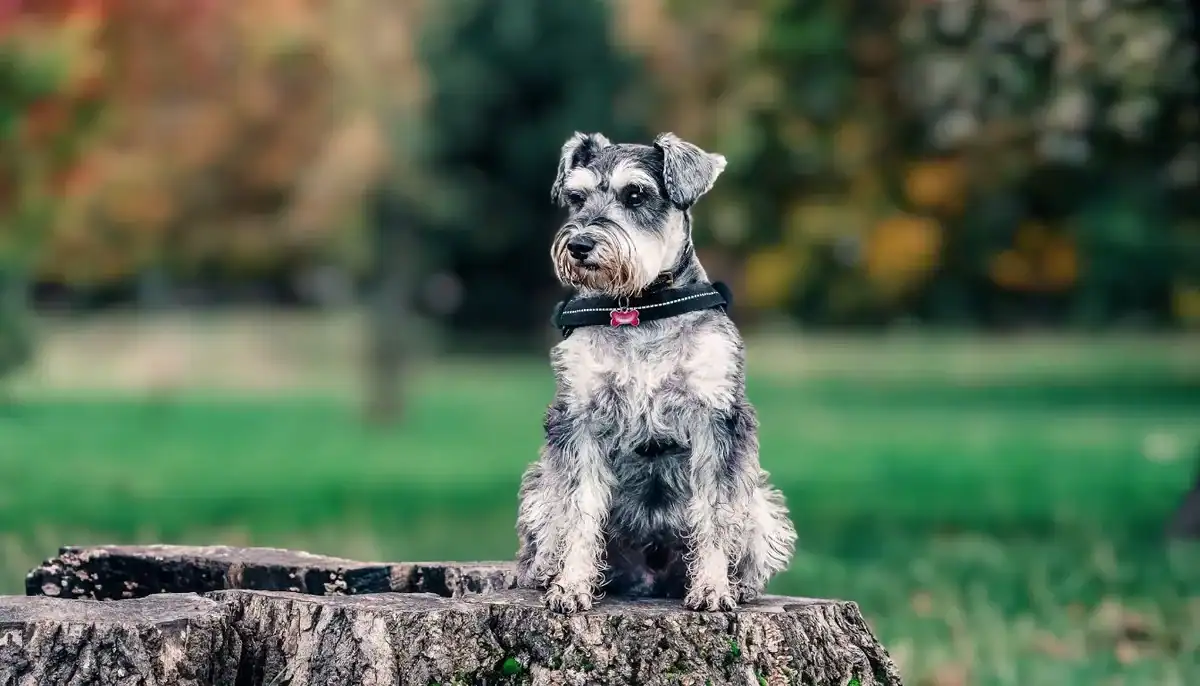
The Miniature Schnauzer is a small, distinctively bearded German terrier developed in the late nineteenth century as an efficient farm ratter and alert watchdog. The Miniature Schnauzer is a small dog that brings immense character into any home.
What makes this small terrier genuinely appealing is its combination of a low-shedding coat, high intelligence, and an outgoing personality. The Miniature Schnauzer is a lively, affectionate companion, and this schnauzer is a lively little dog that fits easily into active family life, often more eager to please than many other terriers.
This guide covers essential miniature schnauzer dog breed information, focusing on what it takes to keep them healthy and happy. A consistently popular breed in the USA and worldwide, the Mini deserves an accurate picture of daily ownership.
Daily commitments involve regular mental stimulation, a consistent low-fat diet, regular obedience training, and professional grooming every four to six weeks. The miniature schnauzer dog breed rewards households that match these needs with a quick-to-learn, devoted partner.
Households expecting a quiet lap dog or those unable to budget for regular haircuts should review the daily routine honestly before deciding. They are wonderful companions, but this is a vocal, active breed that needs careful feeding.
Affiliate Disclosure: K9Sphere is a participant in the Amazon Services LLC Associates Program. As an Amazon Associate, K9Sphere earns from qualifying purchases made through links in this article at no additional cost to you. Product recommendations are based on independent research and editorial judgment, not paid placement.
Breed Snapshot
📊 Vitals and Lifespan
Height
12–14 in
(30–36 cm)
Weight
11–20 lb
(5–9 kg)
Lifespan
12–15 years
Breed Group
Terrier Group
Origin
Germany
🇩🇪
⭐ Personality Traits
Ratings (1 to 5). This alert companion balances deep loyalty and high intelligence against strong vocal tendencies and strict grooming requirements.
History and Origin
Miniature schnauzers were originally bred in Germany during the late 1800s to control rodent populations on farms and guard property. Farmers needed an agile ratter that could navigate tight spaces while retaining the hearty constitution of larger working dogs.
📌 1888: The Foundation Crosses
German breeders developed this new breed from the standard schnauzer by crossing it with smaller European breeds like the Affenpinscher and the Miniature Pinscher. This process successfully scaled down the working farm dog without losing its sturdy build or distinctive bearded face.
📌 1899: Formal Exhibition
The first documented exhibition of a miniature schnauzer took place in Germany. As the smallest of the three schnauzer types, the dog quickly gained favor among both farmers needing an efficient ratter and city dwellers wanting a compact companion.
📌 1926: AKC Recognition
The American Kennel Club officially recognized the breed. Today, it remains the only schnauzer placed in the Terrier Group by the AKC. Despite this placement, the breed lacks the fiery, independent nature typical of British terriers.
📌 1933: Parent Club Formation
The american miniature schnauzer club was founded. Out of the three schnauzer breeds, this compact version eventually became the most popular globally, transitioning successfully from a working ratter to an adaptable house pet.
Physical Characteristics
The Miniature Schnauzer presents a sturdy, square-proportioned frame that conveys strength and agility. This is not a fragile toy breed. The structural design still reflects a dog capable of hard work in demanding rural environments.
🎨 The Wiry Coat
The breed features a harsh, wiry topcoat and a soft undercoat. The three recognized colors are salt and pepper, black and silver, and solid black. Miniature schnauzers don’t shed heavily, which makes them a highly sought-after option for allergy sufferers. Many consider the fur hypoallergenic, though no dog is completely free of allergens.
🏗️ Distinctive Head
The miniature schnauzer’s appearance is defined by its thick beard, prominent eyebrows, and robust muzzle. These features historically protected the face from bites while ratting on farms. The ears are set high and can be left natural (folding forward) or cropped, depending on regional regulations.
The Hypoallergenic Myth
While miniature schnauzers are generally recommended for allergy sufferers due to their low-shedding double coat, allergic reactions are triggered by dander and saliva rather than hair. People with severe dog allergies should spend extended time with adult miniature schnauzers before committing to ownership.
Character and Personality
The miniature schnauzer temperament is defined by high intelligence, alert watchfulness, and a strong desire to be involved in household activities. They are outgoing dogs that bond deeply with their owners and enjoy being the center of attention.
🛡️ Alert Watchdog
These dogs take property guarding seriously. Miniature schnauzers also possess a strong vocal instinct, meaning they will bark loudly at arriving guests, passing dogs, or delivery trucks. They alert owners to everything. Proper training is required early to ensure this trait does not escalate into nuisance barking.
🔥 Moderate Prey Drive
While they are less aggressive than traditional British terriers, the farm ratter genetics remain intact. A mini schnauzer will chase squirrels, mice, and occasionally neighborhood cats if the opportunity arises. They usually do well with indoor cats if socialized alongside them from a young age.
💪 Highly Trainable
Unlike many terriers that demonstrate intense stubbornness, this breed aims to please its handler. They learn commands rapidly and excel in obedience and agility sports. This eagerness makes them an excellent choice for a dedicated first-time owner willing to put in the training time.
🧠 Companion Focus
They thrive on human interaction and may struggle with long periods alone. A dog left alone for eight hours daily may develop separation anxiety and express frustration through destructive chewing or relentless barking. They need a household where someone is present for a significant portion of the day.
Screening and Conditions
Veterinary Disclaimer: The information in this article is for educational purposes only and is not a substitute for professional veterinary advice, diagnosis, or treatment. K9Sphere’s authors are experienced dog owners, not licensed veterinarians. Always consult a qualified DVM regarding any health concerns about your pet. Never disregard professional veterinary advice or delay seeking it because of something you have read on this site.
Health Information Sources: Data compiled from:
- American Miniature Schnauzer Club breed health screening protocols and parent-club guidance
- American Kennel Club breed reference and recommended health tests
- PetMD clinical overview including pancreatitis, hyperlipidemia, and urinary stones
Always consult your licensed DVM for personalized medical advice.
Miniature schnauzers are generally healthy dogs that routinely live 12 to 15 years. However, the breed carries specific genetic vulnerabilities tied to fat metabolism and urinary tract health that require lifelong dietary management.
Common Inherited Conditions
🔴 Pancreatitis and Hyperlipidemia
What to watch for: Vomiting, severe abdominal pain (often shown by a hunched back), lethargy, and loss of appetite. This breed is genetically predisposed to hyperlipidemia, meaning they have high levels of fat circulating in their blood. This excess fat easily triggers life-threatening pancreatic inflammation.
Management: A consistent low-fat diet is essential. Avoid table scraps, high-fat treats, and fatty fish oils. Veterinarians often recommend prescription low-fat diets for the remainder of the dog’s life if recurring pancreatitis develops.
🟡 Urinary Stones (Calcium Oxalate)
What to watch for: Straining to urinate, frequent urination in small amounts, blood in the urine, or crying while urinating. The breed is predisposed to developing bladder stones.
Screening: Schedule an annual vet visit with a urinalysis to check for crystal formation before stones become large enough to require surgical removal. Encouraging water intake through wet food or dental water additives helps flush the bladder regularly.
🟡 Eye Problems
What to watch for: Cloudiness in the eye lens, bumping into furniture in low light, or general vision loss. Cataracts and Progressive Retinal Atrophy (PRA) are documented within the breed.
Screening: Check current breed-specific CHIC and OFA recommendations for eye screening. Responsible breeders will provide documented eye clearances for both parents before selling a puppy.

Oxyfresh Premium Pet Dental Care Solution
Use for: Small dogs prone to severe tartar buildup. Adding a flavorless solution to the water bowl fights plaque daily, helping prevent the dental disease that accelerates organ damage in small breeds.
Check price on AmazonGrooming and Coat Care
Maintaining the distinctive appearance of a miniature schnauzer takes a real time and financial commitment. This is not a wash-and-go dog. The low-shedding quality comes with the trade-off of continuous hair growth that must be managed professionally.
Many pet Miniature Schnauzers need a professional haircut every four to six weeks to keep the fur tidy and manageable. Most pet owners opt for a clipper trim, which softens the wire coat over time but is highly practical. Show dogs undergo a tedious process called hand-stripping, where dead hairs are pulled by hand to maintain the harsh wire texture. This process is expensive and time-consuming.
At home, owners must brush the long hair on the legs and beard two to three times a week using a slicker brush and a metal comb. The beard traps food and moisture, which means frequent wiping helps prevent unpleasant odors and skin irritation. We recommend checking our guide on the best brushes for shedding dogs to find tools that penetrate double coats safely.
Because small breeds are highly susceptible to periodontal disease, teeth brushing should occur at least three times a week. Nail trimming every three weeks and weekly ear cleaning complete the routine. If your dog suffers from the occasional skin bump common to the breed, using a dog shampoo for itchy skin provides soothing relief between professional grooming appointments.
Exercise and Living Needs
A miniature schnauzer is an active dog that requires 45 to 60 minutes of daily exercise. They enjoy brisk walks, fetching games in the yard, and participating in dog sports. They tire easily after a good play session and will happily settle on the couch beside you.
These dogs adapt excellently to apartment living provided their daily exercise needs are met. However, their strong vocal tendencies mean apartment dwellers must commit to early bark training to prevent noise complaints from neighbors.
A securely fenced yard is beneficial but not strictly required if the owner commits to multiple daily walks. Because of their pursuit instinct, off-leash walking in unfenced areas poses a risk. They will bolt after small wildlife if given the chance.

Wahl Dry Skin & Itch Relief Pet Shampoo
Use for: Supporting the wiry double coat and the sensitive skin this breed can develop. A gentle oatmeal and aloe formula soothes dryness and itching between professional grooming visits without stripping natural coat oils.
Check price on AmazonNutrition & Diet
Food choices are one of the most important aspects of caring for this breed. The high risk of hyperlipidemia and pancreatitis means owner consistency around feeding directly impacts the dog’s lifespan.
🐶 Puppy Stage
Feed a high-quality small-breed puppy formula divided into three measured meals daily. Avoid overfeeding, as excessive weight gain stresses developing joints. Ensure the treats used for early obedience training are small and relatively low in fat.
🐕 Adult Stage
Transition to a high-quality, low-fat adult formula. Measure food carefully twice a day. Avoid table scraps, especially fatty meats, cheese, or butter. Pancreatitis attacks often happen the day after a dog consumes a high-fat human meal. Keep all trash cans securely lidded.
🐕🦺 Senior Stage
As metabolism slows, senior dogs need fewer calories to maintain a healthy weight. Continue the low-fat regimen. Because this breed is prone to calcium oxalate stones, senior diets that promote urinary tract health are beneficial. While joint support is helpful for older dogs, always verify that supplements do not contain high-fat oils that could trigger a pancreatic flare-up.
Training
The miniature schnauzer is highly trainable and responsive, making obedience work a rewarding experience for the owner. They are smart enough to learn complex tricks and sturdy enough to handle agility courses.
🛑 Managing the Vocal Instinct
Bark control is the primary training challenge. These dogs are genetically wired to alert you to changes in their environment. You cannot train the bark out of them completely, but you must teach a reliable “quiet” command. Acknowledge what they are barking at, then redirect their attention and reward the silence.
👑 Early Socialization
Broad exposure to strangers, other dogs, and loud noises during the puppy socialization window prevents their natural watchfulness from turning into fearful reactivity. A well-socialized adult will bark at a visitor but quickly warm up once the owner indicates the guest is welcome.
🎯 Positive Reinforcement
They respond best to reward-based training methods, and early crate training gives them a secure den that eases house-training and time alone. Harsh physical corrections damage the bond and create a stubborn dog. Keep training sessions short, engaging, and varied, as their high intelligence means they lose interest quickly if subjected to endless repetition.
Miniature Schnauzer vs Standard Schnauzer vs Giant Schnauzer vs Westie
Prospective owners often compare the miniature schnauzer to its larger relatives and other small terriers like the Scottish West Highland White Terrier (Westie). Each breed offers a different balance of size, guarding instinct, and grooming demands.
| Attribute | Miniature Schnauzer | Standard Schnauzer | Giant Schnauzer | Westie |
|---|---|---|---|---|
| Weight | 11–20 lb (5–9 kg) | 30–50 lb (13–22 kg) | 55–85 lb (25–38 kg) | 15–20 lb (6–9 kg) |
| Original Purpose | Farm ratter, watchdog | Farm dog, ratter, guard | Cattle drover, guard dog | Earthdog, pest control |
| Energy Type | Active companion | High athletic | High, sustained drive | Active, busy worker |
| Trainability | Eager to please | Smart but willful | Intense, needs expert | Independent thinker |
| Grooming | High (clipper/strip) | High (clipper/strip) | High (clipper/strip) | High (clipper/strip) |
| Reaction to Strangers | Vocal alert | Protective, physical | Serious guardian | Vocal alert, bold |
| First-Time Owner? | Yes, with dedication | Challenging | No, expert handlers only | Yes, with patience |
| Common Health Risks | Pancreatitis, urinary stones, cataracts | Hip dysplasia, eye issues | Hip dysplasia, cancer, bloat | Allergies, patellar luxation, lung disease |
| Living Space | Adaptable, apartment fine | House with yard preferred | House with yard required | Adaptable, apartment fine |
The miniature is the most adaptable and family-friendly of the three schnauzer breeds, possessing a significantly lower guard drive than the standard or giant versions. Compared to the Westie, the miniature schnauzer is much more handler-focused and eager to please, whereas the Westie retains the classic independent terrier attitude. Choose the miniature schnauzer when you want high intelligence and strong owner focus in a low-shedding package.
Common Questions about the Miniature Schnauzer
Are Miniature Schnauzers good family dogs?
Direct Answer: Yes. They are excellent family dogs that bond closely with all household members and generally do very well with children.
Context: They are sturdy enough to handle play with kids, unlike more fragile toy breeds. They thrive on inclusion and want to participate in everything the family does.
Management: Teach children how to interact respectfully with the dog. Provide supervision during play to ensure the dog’s lively nature does not overwhelm very young toddlers.
How much does a Miniature Schnauzer cost?
Direct Answer: Expect to pay USD 1,000 to USD 3,000 for a puppy from a reputable breeder. Pricing varies by country, with UK, Canada, and Australia rates differing.
Context: The purchase price is only the beginning. The cost of a miniature schnauzer over its 12 to 15-year lifetime includes professional grooming every six weeks (USD 60 to USD 100 per session), specialized low-fat diets, and potential veterinary interventions for dental care or urinary stones.
Management: Budget carefully for the lifelong grooming expenses and secure pet insurance early to cover unexpected veterinary bills related to pancreatitis or bladder stones.
Do Miniature Schnauzers bark a lot?
Direct Answer: Yes. They are a highly vocal breed that uses barking as their primary way of alerting owners to changes in the environment.
Context: They were bred to be watchdogs, and they take that job seriously. They will bark at strangers, passing cars, and strange noises.
Management: You must teach a “quiet” command from puppyhood. Acknowledge their alert, then require silence. Ignoring the barking usually causes it to escalate.
What are the common health problems in Miniature Schnauzers?
Direct Answer: Miniature schnauzers are generally healthy, but their primary health problems involve fat metabolism (pancreatitis and hyperlipidemia), urinary stones, and eye diseases.
Context: Diet plays a massive role in their longevity. High-fat foods trigger severe pancreatic inflammation, which is painful and expensive to treat.
Management: Maintain a strict low-fat diet, ensure adequate hydration to prevent bladder stones, and schedule annual veterinary checkups that include eye exams and blood panels.
Are Miniature Schnauzers hypoallergenic?
Direct Answer: They are considered highly suitable for allergy sufferers due to their low-shedding coat, but no dog is 100 percent hypoallergenic.
Context: People are typically allergic to dog dander (dead skin cells) and saliva, not the fur itself. Because the breed sheds very little, less dander is distributed around the home.
Management: Spend time with an adult dog of this breed before purchasing a puppy to verify your specific allergy tolerance.
Can a Miniature Schnauzer live in an apartment?
Direct Answer: Yes, they adapt very well to apartment living provided their exercise and barking tendencies are managed.
Context: Their small size makes them physically suited for smaller spaces. However, a bored schnauzer will bark at every noise in the hallway, quickly leading to neighbor complaints.
Management: Provide 45 to 60 minutes of outdoor exercise daily, use positive reinforcement to curb alert barking, and offer puzzle toys for mental stimulation while indoors.
How often do Miniature Schnauzers need a haircut?
Direct Answer: They require a professional haircut every four to six weeks.
Context: Because their hair grows continuously rather than shedding out seasonally, neglecting haircuts leads to severe matting, skin infections, and discomfort.
Management: Book grooming appointments well in advance and establish a daily brushing routine at home for the longer hair on the legs and face.
Are Miniature Schnauzers hard to train?
Direct Answer: No. They are eager to please, highly intelligent, and generally easier to train than most other terrier breeds.
Context: They thrive on mental challenges and enjoy obedience work. They learn commands rapidly but can become bored with repetitive drills.
Management: Keep training sessions upbeat and varied. Use small, low-fat treats as rewards and maintain consistent boundaries from day one.
What is the lifespan of a Miniature Schnauzer?
Direct Answer: The typical lifespan is 12 to 15 years.
Context: This is a robust, long-lived breed. Many reach their mid-teens if protected from obesity and dietary indiscretions.
Management: Prevent weight gain, maintain impeccable dental hygiene, and feed a strictly controlled diet to maximize their healthy years.
Why do Miniature Schnauzers get pancreatitis?
Direct Answer: The breed has a genetic predisposition to hyperlipidemia (high triglycerides in the blood), which makes the pancreas highly vulnerable to inflammation.
Context: When a dog with this genetic trait consumes a high-fat meal, the pancreas overreacts, leading to a painful and potentially fatal condition.
Management: Avoid table scraps completely. Keep the dog on a quality low-fat commercial diet and secure all household trash cans.
Finding a Puppy
Finding a healthy puppy requires vetting the breeder carefully, specifically regarding eye and heart clearances. Miniature schnauzer puppies are popular, which unfortunately attracts high-volume commercial breeding operations that prioritize profit over health.
🏠 Reputable Breeders
Seek breeders affiliated with the national parent club. A responsible breeder will provide OFA eye clearance certificates for both parents and will interview you extensively about your lifestyle. The puppies should be raised indoors with plenty of handling and household noise exposure to build confidence.
🐾 Rescue and Adoption
If you choose to adopt rather than buy, taking in an adult dog through breed-specific rescue networks is a wonderful option. Many dogs enter rescues due to owner lifestyle changes rather than behavioral faults. An adult rescue often comes with basic obedience training and allows you to bypass the intense puppy teething phase.
🚩 Red Flags to Watch For
- Red Flag 1: No documented eye clearances (OFA/CERF) for the parents.
- Red Flag 2: Breeders advertising “teacup” or “micro” sizes, which often carry severe health defects.
- Red Flag 3: Puppies available for immediate sale near holidays at suspiciously low prices.
- Red Flag 4: Refusal to let you visit the home environment where the litter is raised.
- Red Flag 5: Parents demonstrating extreme shyness, fear, or unprovoked aggression.
Personal Observation
💭 Personal Observation
One of my rescues, Chun Chun, is among the most vocal dogs I have lived with, and from what Schnauzer owners describe, the Mini has that same alert wiring at a similar volume. The thing that stands out most about this breed is not the barking, though, which is manageable if you teach a quiet command early. It is the feeding. Most dogs I have known could eat almost anything handed to them without a second thought. The Miniature Schnauzer cannot. Their tendency toward pancreatitis and high blood fat means a stray piece of fatty food that another dog would shrug off can land this one at the vet. If you go in understanding that the diet is non-negotiable and that the grooming bill is permanent, the lively, devoted character they bring into a home is genuinely hard to match. If you want a quiet, low-maintenance dog, this is not the breed.
Conclusion
The Miniature Schnauzer is a very intelligent, low-shedding companion that offers the sturdy resilience of a terrier without the intense stubbornness usually associated with the group. They bring vibrant energy, deep loyalty, and sharp wit to families willing to engage them daily.
On the pro side, you get an intelligent, low-shedding companion with a long lifespan. The main con, and the primary trade-off, is the continuous financial demand of professional grooming and the careful diet needed to keep their digestive system healthy. The breed rewards households that match its needs for activity and structure, but challenges those expecting a passive lap dog. If the grooming demands or vocal nature seem overwhelming, a Bichon Frise offers a similarly low-shedding coat with a softer alert drive.
📋 Before bringing one home, run this 4-step pre-buying check
- Grooming reality. Can you budget for professional haircuts every four to six weeks for the next 15 years?
- Dietary discipline. Are you prepared to stick to a consistent low-fat diet and avoid giving table scraps?
- Vocal tolerance. Can your living situation accommodate a dog that barks to alert you to changes?
- Time and training. Can you provide 45 minutes of daily exercise and consistent mental stimulation?
If any answer is no, reconsider the breed.
Editorial Disclaimer: This article is for informational and educational purposes only. It does not constitute veterinary advice, medical diagnosis, or treatment recommendations. Always consult a licensed veterinarian before making health-related decisions for your pet.
Accuracy Notice: While every effort has been made to ensure the information presented here is accurate and current, breed information evolves and individual dogs vary. If you spot a factual error or have updated information from a verified source, please contact us so we can review and update.
Product Disclosure: Product recommendations are based on independent research and editorial judgment. Individual results may vary. As an Amazon Associate, K9Sphere earns from qualifying purchases at no additional cost to you.
Last reviewed: May 2026. Article reviewed for accuracy on the date shown above.