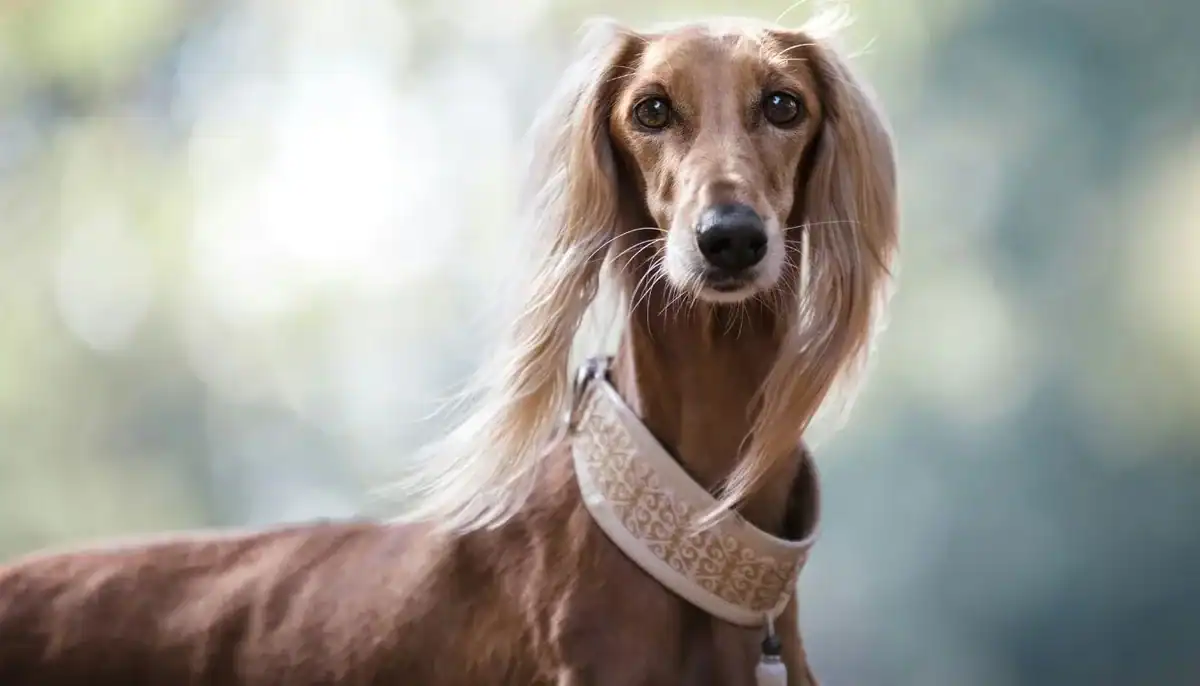
The Affenpinscher is a small German toy dog developed from at least the 17th century as a household ratter and stable mouser, combining a compact, wiry-coated frame with a personality that punches well above its weight class.
What makes the Affenpinscher genuinely compelling is its unmistakable monkey-like face, a fearless confidence that earns the French nickname “diablotin moustachu” (mustached little devil), and an entertaining willfulness that keeps experienced households permanently on their toes. Properly raised Affenpinschers become loyal, curious partners with a theatrical flair for self-importance that even dedicated skeptics find difficult to resist. For the right owner, few companions in the toy group match the Affenpinscher’s combination of humor, loyalty, and outsized confidence.
This guide draws on the American Kennel Club profile, the Affenpinscher Club of America health and wellness protocols, OFA CHIC screening requirements, PetMD clinical references, and Chewy documentation to present an accurate picture of what ownership involves.
Daily commitments include 30 to 40 minutes of activity split between brisk walks and indoor play, consistent practice from puppyhood to manage its willful streak, patient housebreaking from day one, and routine oral care to address the tooth-crowding common in compact-jawed dogs. Households that meet these commitments reliably get a sharp, devoted partner with a 12 to 15-year span.
For owners who want a small dog with outsized attitude and can match the Affen’s need for mental engagement and human company, the Affenpinscher delivers decades of personality-packed partnership. Households seeking a quiet, low-maintenance lap dog or those with very young children should review its terrier-like independence and rodent-hunting heritage honestly before deciding. The Affenpinscher rewards those who meet it on its own terms and firmly tests the patience of those who do not.
Affiliate Disclosure: K9Sphere is a participant in the Amazon Services LLC Associates Program. As an Amazon Associate, K9Sphere earns from qualifying purchases made through links in this article at no additional cost to you. Product recommendations are based on independent research and editorial judgment, not paid placement.
Breed Snapshot
📊 Vitals and Lifespan
Height
9.5–11.5 in (24–29 cm)
Weight
7–10 lb (3–4.5 kg)
longevity
12–15 years
Breed Group
Toy Group
Origin
Germany
🇩🇪
⭐ Personality Traits
Ratings (1 to 5). This spirited companion balances bold personality and adaptability against willful independence, prey drive toward little animals, and low tolerance for rough handling.
History and Origin
The Affenpinscher is among the oldest toy dogs in Europe, with written records of small, wiry-coated black ratters in Germany dating as far back as 1720. Unlike many dogs shaped by a single founder, The Affen evolved gradually through the hands of German farmers, shopkeepers, and stable hands who valued them as working mousers long before anyone considered them companions for drawing rooms.
📌 17th Century: Working Ratter Origins
Dogs matching the Affenpinscher description were kept across Germany to clear kitchens, granaries, and stables of rodents. Early specimens were slightly larger than the modern dog and came in salt-and-pepper, reddish-black, and solid black colorings. The city of Munich emerged as the heart of early development, though similar dogs worked across the German states. Their primary value was functional and their compact size allowed them to pursue rodents into tight spaces that larger dogs could not reach.
📌 Late 1700s–1800s: Refinement and Downsizing
Selectively reduced in size to suit drawing room life, the Affen gained favor as a household pet. Crosses likely included the Pug, which shortened the nose and contributed to the brachycephalic profile that defines the modern dog, and the German Pinscher for structure. These same lines gave rise to related dogs: the smaller type eventually contributed genetic material toward a related companion type, while the larger Pinscher line eventually produced a larger, wire-coated ratter type. The Affenpinscher thus occupies a foundational position in this corner of dog history.
📌 1895–1913: Official Recognition
The Pinscher-Klub established a society in 1895 covering both rough- and smooth-haired types. The Berlin Lapdog Club began work on a formal breed standard for the Affenpinscher in 1902, but the finalized standard was not ratified until 1913. This standard, translated into English, was adopted by the American Kennel Club as the basis for recognition. The Fédération Cynologique Internationale recognized the Affen in 1955, placing it in Group 2, Section 1 alongside Pinschers and Schnauzers rather than with the terriers it superficially resembles.
📌 1936 and 2013: US Recognition and Westminster Fame
The American Kennel Club officially entered the Affenpinscher into its Stud Book in 1936, with the earliest registered dog named Nollie v. Anwander, one of four German imports belonging to Bessie Mally of Cicero, Illinois. World War II interrupted breeding programs in the USA, and meaningful revival did not occur until the 1950s. The Affen gained significant public visibility in 2013 when Banana Joe V Tani Kazari, a five-year-old Affenpinscher, won Best in Show at the Westminster Kennel Club Dog Show. The Westminster Dog Show win brought the breed to a global audience for the first time in decades.
Physical Characteristics
A compact, square-bodied toy dog whose most distinctive feature is the round, domed skull with a shortened muzzle, large dark eyes, and a prominent beard and eyebrow fringe that together produce the monkey-like expression responsible for both popular nicknames. Every structural feature reflects centuries of refinement toward a compact, agile dog with enough physical substance to retain working instincts.
🎨 The Wiry Coat
The dense, harsh, wiry coat is roughly one inch long across the body and transitions into a shaggier mane around the head, neck, and shoulders. The AKC breed standard accepts black, gray, silver, red, black and tan, and beige as color options. The FCI and British Kennel Club standards restrict acceptable colors to black only, a meaningful distinction for those planning to show internationally. When clipped rather than hand-stripped, the coat softens in texture but loses the traditional wiry appearance that defines the breed standard.
🏗️ Compact Build
The body is approximately square in proportion, with medium bone density that is sturdy without being heavy. The undershot bite is a breed standard requirement. Ears may be cropped to stand erect or kept natural, in which case they may stand erect, semi-erect, or drop. The tail can be docked to one to three inches or left natural with a slight dorsal curve, carried upright. Despite the small frame, Affenpinschers are described by the the ACA as possessing stamina and agility that exceed expectations for their size.
Brachycephalic Profile and Heat Sensitivity
The Affenpinscher’s shortened muzzle places it in the brachycephalic category, sharing anatomical traits with flat-faced breeds like the Pug. This profile creates a narrowed airway that limits the dog’s ability to thermoregulate through panting during exertion or in warm conditions. Sessions in hot or humid weather require active management: keep them short, provide immediate access to water and shade, and stop before visible signs of distress appear. The Affen is not suited to sustained outdoor work during summer heat. Maintaining a healthy weight is additionally important because excess body mass worsens the physical compression on an already restricted airway.
Character and Temperament
Affenpinscher character is best understood as a working ratter’s instincts compressed into a compact frame, then shaped by centuries of companion breeding. The AKC breed standard describes the temperament as loyal, curious, and famously amusing, with a seriousness of purpose that makes its antics all the more effective. Experienced handlers often reach for the phrase “big dog in a small body,” and the ACA specifically warns prospective households that this boldness makes caution necessary around larger dogs that may not appreciate the Affen’s fearless posturing.
🛡️ Loyal Companion
The Affen forms intense bonds with the primary household and want active involvement in daily life. The Affen adjusts well to changing circumstances and travel, which the ACA identifies as one of the Affen’s practical strengths. The Affen is an alert watchdog that vocalize when anything unusual occurs in or around the home, though they are described as generally quiet dogs that do not bark without cause. That loyalty can also manifest as separation anxiety when routinely left alone.
🔥 Prey Drive and Small Animals
The ratting heritage is active, not vestigial. The Affen is generally incompatible with pocket pets, particularly rodents, birds, and pocket animals. The pursuit instinct activates reliably in the presence of fast-moving little animals. This is a documented characteristic reinforced across four centuries of selection. Coexistence with cats is possible with early socialization but is not guaranteed, and any multi-pet household should factor this into planning before bringing one home.
💪 Stubborn and Independent
The Affenpinscher’s intelligence is accompanied by a self-directed quality that complicates work for handlers who expect quick compliance. The Affen thinks for itself, tests boundaries persistently, and may decide on any given day that a known command is optional. Housebreaking is notoriously hard for most compact companion dogs, and the Affen is not an exception. Those who work with patience, consistency, and high-value food rewards build a reliably cooperative adult. Handlers who expect rapid obedience often find the experience frustrating.
🧠 Children and Family Dynamics
The Affen does best with older children. Every kid in the household should understand that dogs have physical limits and do not tolerate rough handling or being held on a lap for extended periods. The Affen generally prefers adults. Very young children who grab, squeeze, or startle dogs during play create conflict that experienced handlers manage through strict supervision and clear household rules. Adult-only households and those with children over ten represent the most compatible family profile.
Screening and Conditions
Veterinary Disclaimer: The information in this article is for educational purposes only and is not a substitute for professional veterinary advice, diagnosis, or treatment. K9Sphere’s authors are experienced dog owners, not licensed veterinarians. Always consult a qualified DVM regarding any health concerns about your pet. When in doubt, call your vet rather than waiting. Never disregard professional veterinary advice or delay seeking it because of something you have read on this site.
Health Information Sources: Data compiled from:
- the ACA: CHIC-required screening protocols including OFA eye evaluation, stifle evaluation, basic cardiac screening, and hip assessment
- American Kennel Club: Breed reference and parent-club guidance on documented concerns
- PetMD clinical reference: Brachycephalic airway syndrome, patellar luxation, and related conditions
Always consult your licensed DVM for personalized medical advice.
Generally, this is a healthy dog with solid longevity. However, the limited gene pool that preserves its distinctive appearance also concentrates certain heritable vulnerabilities. The ACA CHIC certification currently requires OFA eye evaluation and stifle (patella) evaluation as baseline standards, with newer requirements expanding to include basic cardiac screening and hip assessment.
Common Inherited Conditions
🔴 Patellar Luxation
What to watch for: An intermittent limp affecting one or both rear legs, a skip-hop gait when moving at speed, spontaneous lameness during play that resolves on its own, or shaking a rear limb as if trying to pop something back into position. Veterinary literature uses both “luxating patella” and “patellar luxation” to describe the same condition. The Royal Kennel Club survey of Affenpinschers identified patellar luxation as the most commonly reported condition in the population studied.
Screening: OFA stifle evaluation of both parents is a required CHIC test and a baseline minimum standard for responsible breeders. Mild cases may be managed conservatively with weight control and monitored movement modification. Moderate to severe grades typically require surgical correction to prevent progressive joint degeneration. Maintaining a healthy weight reduces ongoing joint stress regardless of grade. Adding a quality hip and joint supplement supports cartilage from early adulthood onward.
🔴 Brachycephalic Airway Syndrome
What to watch for: Noisy breathing at rest, snoring, rapid fatigue during activity, open-mouth breathing in mild temperatures, gagging after eating or drinking quickly, and visible distress in warm or humid conditions. These signs reflect the structural narrowing inherent to the shortened skull. Obesity compounds the severity of airway compromise significantly.
Management: Restricting vigorous activity in warm weather is mandatory, not optional. Affected dogs should eat from elevated bowls at measured portions to reduce the aspiration and gagging risk associated with fast eating. Severely affected individuals may benefit from surgical widening of the nares or removal of excess soft palate tissue to permanently improve airflow. Any worsening in breathing quality warrants veterinary assessment without delay.
🟡 Heart Disease
What to watch for: Reduced tolerance for exercise, coughing particularly at night or after excitement, labored breathing at rest, and visible fatigue on short walks. Affenpinschers are susceptible to patent ductus arteriosus (PDA), a congenital defect present from birth, and mitral valve disease, which is an acquired condition that develops progressively in adult and senior dogs.
Screening: Basic cardiac evaluation is now part of the updated CHIC requirements. Responsible breeders will provide cardiac screening documentation for both parents. Annual veterinary cardiac auscultation from middle age onward catches murmurs early, when intervention produces better outcomes. PDA in puppies is detectable by a veterinarian during the initial wellness check and should be treated promptly.
🟡 Legg-Calvé-Perthes Disease
What to watch for: Progressive lameness in one rear leg developing during the early year of life, muscle atrophy of the affected rear limb, pain response when the hip joint is manipulated, and reluctance to bear weight. This condition involves spontaneous degeneration of the femoral head due to loss of blood supply, leading to bone collapse within the hip joint.
Management: Diagnosis requires radiographic imaging. Surgical removal of the femoral head (femoral head ostectomy) is the standard treatment and produces good functional outcomes in compact dogs, whose light body weight allows adequate muscle support of the joint following surgery. Early diagnosis before significant bone collapse improves post-operative outcomes. Breeders should perform OFA hip evaluation on breeding stock.
🟡 Progressive Retinal Atrophy and Eye Disease
What to watch for: Night blindness in its early stages, bumping into objects in dim lighting, a widening of the pupils even in bright conditions, and a reflective sheen to the eyes in low light. Glaucoma is also a concern (elevated intraocular pressure damaging the optic nerve) and cataracts (gradual clouding of the lens). Eye problems share a common early sign of behavioral change before obvious vision loss is apparent.
Screening: OFA eye evaluation is a required CHIC test. Responsible breeders screen both parents through a veterinary ophthalmologist before each breeding. There is no cure for progressive retinal atrophy, but early diagnosis allows the household to adapt before complete vision loss occurs. Glaucoma requires urgent treatment to prevent permanent optic nerve damage.
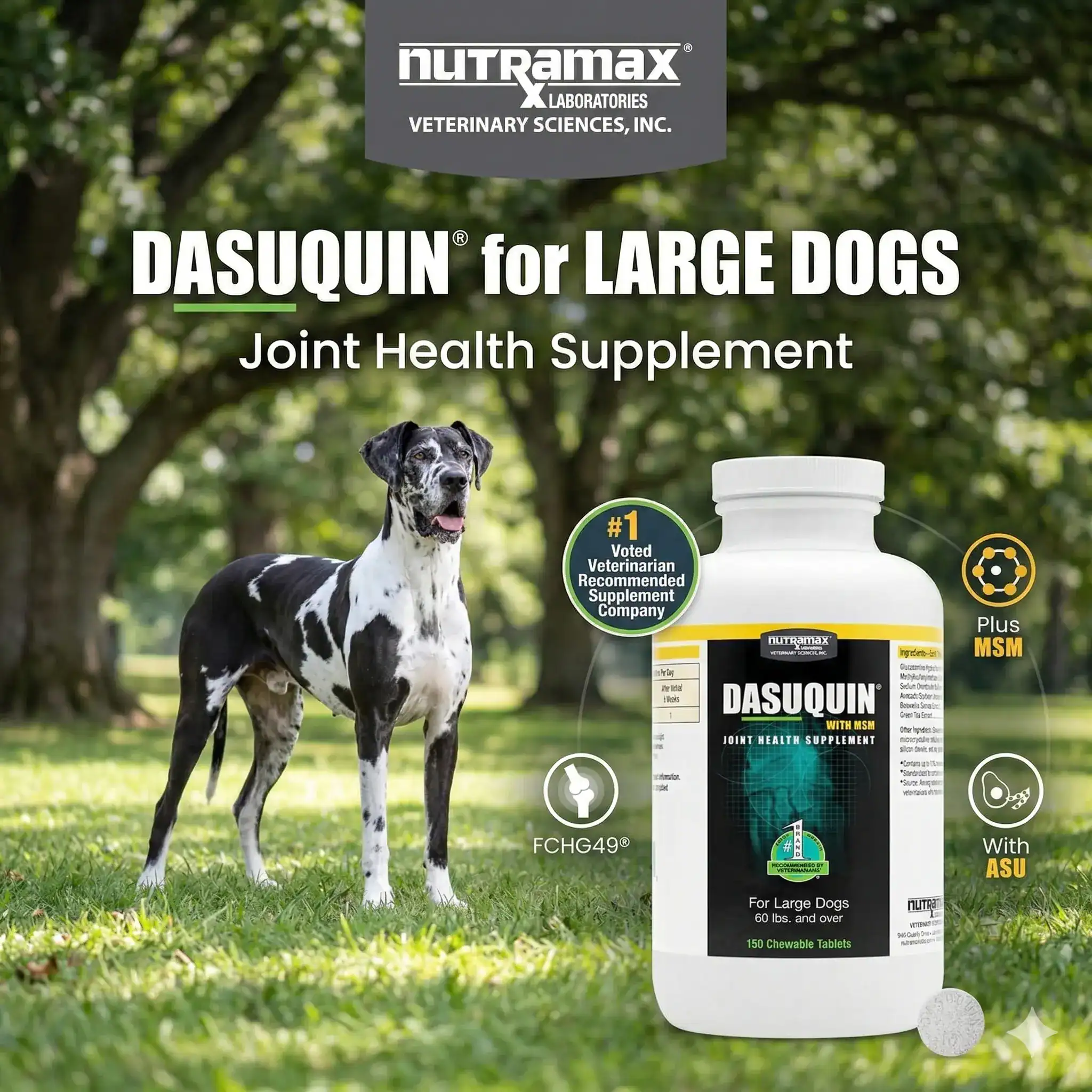
Nutramax Dasuquin with MSM Soft Chews for Large Dogs
Use for: Joint support in dogs prone to patellar luxation and hip joint concerns. Combines glucosamine, chondroitin, and MSM to support cartilage integrity. Ask your vet about appropriate small-dog dosing for compact dogs.
Check price on AmazonGrooming and Coat Care
The Affenpinscher’s wiry coat sits in the moderate grooming category, more demanding than a smooth-coated dog but far less demanding than a heavily-coated alternative. The distinctive shaggy appearance around the head and shoulders that gives the Affen its monkey-like expression requires deliberate maintenance to preserve. Neglected coats mat around the beard, eyebrows, and mane, and the wiry texture compounds the difficulty of working through established tangles.
Twice-weekly brushing with a slicker brush followed by a metal comb through the beard and mane is the baseline for coat health. Those new to the Affen often ask how best to groom a wiry texture without softening it. Hand-stripping rather than clipping is the correct technique for maintaining the show-standard wiry look. Stripping removes dead, dull hair and allows new, wiry growth to come in properly. Clipping, while easier, softens the texture over repeated clippings and alters the appearance that defines the breed standard. Professional grooming every two to three months supplements home maintenance for those who find hand-stripping difficult to master.
Oral care carries particular importance for compact-jawed dogs. Tooth crowding is a known concern in toy breed dogs, making the Affen more susceptible to periodontal disease than average-sized dogs. Brushing three to four times per week with dog-safe toothpaste, supplemented by appropriate chews, reduces buildup between professional cleanings. Adding a water additive to the routine provides daily bacterial control. Nail trimming every three to four weeks, weekly ear checks for moisture and debris, and regular inspection of the facial skin folds around the muzzle round out a comprehensive grooming routine.

Oxyfresh Premium Pet Dental Care Solution Water Additive
Use for: Daily oral bacterial control in compact-jawed dogs prone to tooth crowding and rapid tartar buildup. Odorless and tasteless formulation that does not require the dog to accept brushing alone as the sole care method.
Check price on AmazonExercise and Living Needs
The Affenpinscher’s exercise needs are manageable for urban households. The AKC rates the Affen at three out of five for energy demands and mental stimulation, placing it firmly in the middle of the range of energy demands rather than at the demanding end occupied by working and sporting dogs. This profile makes the Affenpinscher particularly practical for city living, provided the brachycephalic airway limitations are respected.
Plan on 30 to 40 minutes of daily routine split between two brisk walks and play sessions inside. The Affen does not need a yard, though outdoor access through a secure garden or enclosed area is beneficial. The Affen plays enthusiastically and can meet a significant portion of their daily requirement through structured games, puzzle toys, and training that tax the mind. Mental fatigue in a dog this intelligent is as effective as physical exertion in producing a a settled, manageable dog.
Hot-weather management is the single most important consideration for the Affen outdoors. Brachycephalic dogs pant less efficiently than longer-muzzled dogs in warm conditions, making summer midday walks genuinely dangerous. Schedule outings for early morning and evening during warm months, carry water on all trips outside, and be prepared to end a session immediately if the dog shows any sign of respiratory distress. Climate-controlled city living is actually well-suited to the Affen’s needs precisely because temperature can be managed consistently.
Nutrition & Diet
Precise portion management matters significantly for compact dogs. Weight climbs quickly when fed ad libitum or given excessive treats during training. Obesity in a brachycephalic dog directly compounds airway restriction, joint stress, and cardiac load, making controlled feeding a health intervention rather than an optional discipline.
🐶 Puppy Stage
Feed a high-quality puppy formula designed suited to smaller dogs, with real animal protein as the first ingredient. Puppy foods for this size come with higher caloric density and smaller kibble suited to a compact jaw. Three measured meals daily through six months supports stable blood sugar, which smaller dogs are more vulnerable to disrupting than larger ones. Controlled portions prevent the overly rapid growth that stresses developing joints. Avoid free-feeding entirely in the first year.
🐕 Adult Stage
Transition to an adult formula for smaller dogs between ten and twelve months of age. Feed two measured meals daily rather than one large meal to reduce digestive stress and stabilize energy across the day. High-protein food with at least 25 percent crude protein on a dry matter basis supports the muscular build relative to body size. Visible waist definition and easily felt ribs without visible protrusion are the target body condition markers. Treats should be factored into the daily dog food budget rather than added on top, given the compact frame where a handful of treats can represent a significant caloric surplus.
🐕🦺 Senior Stage
From age eight or nine onward, transition to a senior formula with reduced caloric density, added joint support ingredients, and elevated omega-3 content. This is the life stage when patellar arthritis, cardiac changes, and tooth disease become most likely to compound each other. Annual blood panels including thyroid and organ function tests catch subclinical changes before they become clinically significant. A quality omega-3 product supporting skin and inflammatory response can be added, such as Zesty Paws Salmon Oil, which provides EPA and DHA at ratios appropriate for compact dogs.
Training
Working with an Affenpinscher is a distinctly different experience from working with biddable sporting and herding dogs. The Affen’s intelligence is real. This is not a dog that fails to understand commands. Independent thinking and a preference for self-direction mean compliance is not automatic, and inconsistent handling produces an Affen that has learned which rules apply when and with whom.
🛑 Housebreaking Requires Extra Patience
Housebreaking difficulty is the most commonly cited challenge for compact partner dogs as a category, and Affenpinschers are not an exception to this pattern. Small bladders, a degree of willfulness, and the Affen’s general preference for staying inside during cold or wet weather all contribute. Crate work from day one is the most effective foundation. A consistent schedule, which means taking the young dog outside immediately after waking, after eating, after play, and before sleeping, builds the habit faster than any other approach. Expect the process to take longer than it would with a larger, more compliant dog and plan accordingly.
👑 Obedience Through Positive Reinforcement
Core training covering sit, stay, down, come, and leash manners should be established in puppyhood using positive reinforcement with high-value food rewards. Short sessions of five to ten minutes maintain attention far better than extended repetitive drills, which the Affen will abandon when it decides enough is enough. Harsh corrections or physical pressure fracture trust and typically produce avoidance behavior rather than improved compliance. Consistency across all household members is essential because an Affenpinscher will very reliably identify and exploit the softest rule-enforcer in the family.
🎯 training Sports and Advanced Work
Those that receive a solid training foundation often excel in canine sports including agility, show competition, and lure coursing, where athleticism and the desire to show off combine productively. The dog that seems impossible to housebreak in puppyhood frequently becomes a willing and capable sports partner once the handler establishes a consistent communication style and the Affen reaches social maturity around eighteen months. Channeling natural intelligence and forepaw dexterity through structured activities produces better behavior outcomes than managing boredom through rules alone.
Affenpinscher vs Brussels Griffon vs Miniature Schnauzer vs Miniature Pinscher
Prospective owners drawn to this characterful group frequently compare the Affenpinscher against its closest genetic and stylistic relatives. Understanding how the Affen differs from alternatives in this compact group clarifies what ownership actually demands. Each dog in this comparison shares some historical connection but diverges meaningfully in fur type, trainability, and health profile.
| Attribute | Affenpinscher | the Brussels Griffon | Miniature Schnauzer | Miniature Pinscher |
|---|---|---|---|---|
| Weight | 7–10 lb (3–4.5 kg) | 6–12 lb (2.7–5.4 kg) | 11–20 lb (5–9 kg) | 8–10 lb (3.6–4.5 kg) |
| Original Purpose | Household ratter and mouser | partner, partially from Affen crosses | Ratter, farm dog | Small vermin hunter |
| Energy Type | Moderate, athletic bursts, heat-sensitive | Moderate, at-home-focused | High, sustained terrier energy | High, very active and bold |
| Trainability | Intelligent but stubborn | Intelligent, moderately willing | Highly trainable, eager | Smart but independent |
| Grooming | Moderate, hand-strip or clip | Moderate, wiry or smooth coat | Regular clipping or stripping | Minimal, smooth coat |
| Threat Response | Fearless bark, will confront larger dogs | Alert, vocal alarm dog | Alert, strong bark, territorial | Bold, fearless, very vocal |
| First-Time Owner? | With patience and consistency | Yes, more adaptable | Yes, most trainable of group | Experienced handlers preferred |
| Common Health Risks | Patellar luxation, brachycephalic airway syndrome, heart disease, Legg-Calvé-Perthes, eye disease | Brachycephalic airway syndrome, patellar luxation, eye conditions, hip dysplasia | Pancreatitis, bladder stones, Myotonia congenita, eye conditions | Patellar luxation, Legg-Calvé-Perthes, progressive retinal atrophy, epilepsy |
| Living Space | Excellent for apartments | Excellent for apartments | Adaptable with exercise | Adaptable, needs secure yard |
The Affenpinscher is an influential foundational dog in this group, with both those types tracing partial lineage to Affen-type ancestors. The compact it is the most trainable alternative for those who want a characterful companion without the willful streak that defines the Affen experience. The Brussels Griffon is the closest match in personality and appearance but with a generally softer temperament and more consistent compliance in training. Choose the Affenpinscher specifically when the monkey-face expression, the wiry aesthetic, and the breed’s particular brand of theatrical independence are exactly what the household is looking for.
Common Questions about the Affenpinscher
Are Affenpinschers good family dogs?
Direct Answer: Yes for households with older children and adults who appreciate an independent, characterful partner, but not ideal for families with toddlers or very young children who engage in rough or unpredictable physical interaction.
Context: Affenpinschers form strong attachments to their households and are loyal and affectionate within those bonds. The challenge is that they prefer adults and have limited tolerance for the high-energy rough-and-tumble play of young children. They do not accept being held for extended periods and will vocalize or nip if they feel restrained or startled.
Management: Teach children gentle-handling rules from the start, establish a retreat space the dog can access independently, and supervise all interactions with children under ten. The Affen rewards households where its boundaries are respected.
How much does an Affenpinscher cost?
Direct Answer: Expect to pay USD 650 to USD 2,000 from a reputable US seller with documented OFA screening. The Affen is rare, which affects availability and pricing. Pricing varies by country, with UK, Canada, and Australia rates differing.
Context: Adoption through rescue networks or shelters typically runs USD 50 to USD 300 and includes initial vet assessment. Ongoing costs include food for compact dogs at USD 30 to USD 60 monthly, pet insurance averaging USD 30 to USD 60 monthly, professional teeth cleaning every one to two years at USD 300 to USD 600, and any orthopedic intervention for patellar luxation at USD 1,500 to USD 3,000 per stifle. Total over 12 to 15 years typically falls in the USD 10,000 to USD 20,000 range including routine care and potential veterinary interventions.
Management: Secure pet insurance from the day the puppy arrives. Professional teeth cleaning should be budgeted as a recurring annual or biannual expense rather than treated as optional.
Are Affenpinschers easy to train?
Direct Answer: No, not relative to more biddable dogs. The Affenpinscher is intelligent and capable of learning a wide range of commands and skills, but the self-directed character means compliance requires patience and consistent positive reinforcement progressively.
Context: Housebreaking is the most commonly cited difficulty, shared across most compact dogs but present in the Affen at a higher difficulty level than in the compact it, for example. Basic training requires short, engaging sessions repeated consistently over weeks. The ACA notes the Affen possesses a thinking process that owners “can only observe with disbelief.” The dog processes problems effectively but applies that intelligence to its own agenda first.
Management: Use high-value food rewards, keep sessions to five to ten minutes, practice consistently each day, and enforce rules uniformly across all household members. Puppy classes starting at eight to twelve weeks provide socialization alongside the training foundation.
What are the common health problems in Affenpinschers?
Direct Answer: The most documented conditions are patellar luxation (the most commonly reported issue in surveyed UK populations), brachycephalic airway syndrome, cardiac disease including patent ductus arteriosus and mitral valve disease, Legg-Calvé-Perthes in young dogs, and progressive retinal atrophy and other eye conditions.
Context: CHIC certification from the ACA requires OFA eye and stifle evaluation as baseline standards, with updated requirements adding basic cardiac screening and hip assessment. Only purchase from breeders who provide documentation for these tests on both parents.
Management: Annual veterinary exams, professional teeth cleanings every one to two years, weight management to reduce joint and airway burden, and cardiac auscultation from middle age onward form the core preventive care structure.
Do Affenpinschers bark a lot?
Direct Answer: The Affenpinscher is described in the AKC breed standard as “generally quiet” but capable of becoming “vehemently excited when threatened or attacked.” In practice, They are reliable alert vocalizers but are not typically nuisance barkers in the way that some other these breeds can be.
Context: The alert alert dog instinct means the Affen will vocalize at visitors, unfamiliar sounds, and perceived threats consistently. Those in shared-wall buildings should factor this into their assessment. Training a reliable “enough” command from puppyhood manages the duration effectively.
Management: Socialize broadly from early puppyhood to reduce the range of stimuli that triggers alarm vocalizing. Teach the “enough” command using positive reinforcement during controlled exposure to known triggers.
Are Affenpinschers hypoallergenic?
Direct Answer: Affenpinschers shed less than many dogs and are sometimes listed in lower-allergen categories, but no dog is truly hypoallergenic. Allergic reactions in humans are triggered by the protein Fel d 1 found in saliva and dander, not the coat itself.
Context: The Affen does shed, though at a lower volume than many smooth or double-coated dogs. People with mild allergies sometimes tolerate the Affenpinscher better than heavy-shedding alternatives, but this is highly individual and cannot be predicted from classification alone. Spending time with an individual dog before committing is the only reliable test for personal allergy response.
Management: For the best results on shedding, regular brushing with a quality brush suited to wiry coats removes dead hair before it disperses through the home. Regular bathing and clean living surfaces further reduce allergen load.
Can Affenpinschers live in apartments?
Direct Answer: Yes. The Affenpinscher is well-suited to apartment living due to its manageable daily demands, compact size, and home adaptability. The ACA notes that Affenpinschers adjust readily to changing circumstances and travel.
Context: Two daily walks combined with play sessions inside meet the daily requirement without needing outdoor space. The alert vocalizing tendency warrants consideration in shared-wall buildings, but this is manageable with training. Climate-controlled home environments are actually an advantage for a brachycephalic dog that needs protection from heat extremes.
Management: Establish a reliable daily walk schedule, provide puzzle toys and enrichment for mental stimulation at home, and train the “enough” command for alert vocalizing early. An Affenpinscher that receives consistent exercise and mental engagement is a settled partner at home.
How long do Affenpinschers live?
Direct Answer: The typical longevity is 12 to 15 years. The Royal Kennel Club survey found the most commonly reported cause of death in the population studied was old age, suggesting a generally healthy baseline longevity for dogs that receive attentive care.
Context: A UK study cited a median life expectancy of 9.3 years for the population surveyed, which is lower than the 12 to 15 year range cited by most sources. The discrepancy likely reflects variation in sample populations and healthcare access rather than a consensus figure. Longevity in any individual depends substantially on weight management, oral health, cardiovascular monitoring, and avoiding heat-related respiratory stress.
Management: Annual veterinary wellness visits, weight management throughout life, professional teeth cleaning as needed, and cardiac monitoring from middle age provide the best foundation for reaching the upper end of the typical range.
Are Affenpinschers good watchdogs?
Direct Answer: Yes. Naturally alert, they notice unusual sounds or movement around the home and vocalize reliably at perceived threats. This makes them effective early-warning watchdogs despite their compact size.
Context: The breed standard describes the Affenpinscher as “fearless toward any aggressor” and “alert and inquisitive” at all times. The Affen is not aggressive toward its own household, but the same boldness that makes it an effective watchdog requires active management around unfamiliar dogs. The ACA notes that these dogs are “alert and ready at all times to protect their family, home and possessions.” What they cannot provide is any physical deterrence. Their value is in the alert, not the response.
Management: No additional training for the alert dog role is needed. The instinct is present and reliable from puppyhood. Training should focus on teaching the dog when to stop vocalizing rather than encouraging more of it.
What is the difference between a monkey dog and an Affenpinscher?
Direct Answer: Monkey dog is simply a popular nickname for the Affenpinscher, derived directly from the German name. “Affe” means monkey or ape in German, and “Pinscher” refers to the terrier-type biting and gripping behavior. The two terms describe the same dog.
Context: The nickname emerged from the round skull, prominent eyes, flattened muzzle, and the heavy eyebrow and beard fringe that together create a facial expression many observers find genuinely primate-like. The French version produced the equally well-known alternative nickname “diablotin moustachu,” or mustached little devil. Both nicknames appear regularly in literature and are used interchangeably.
Management: No practical implications for ownership. The ACA uses “Affen” as the standard abbreviation among enthusiasts.
Finding a Puppy
Finding a responsibly bred Affenpinscher requires patience. This is a legitimately rare dog. The AKC ranks it 125th in popularity among recognized dogs, which means available litters from responsible breeders are limited and waitlists are common. The rarity also creates conditions where unscreened sellers can charge high prices for dogs with no documentation. If you encounter Affenpinscher puppies for sale with no health testing mentioned, treat it as a red flag.
🏠 Responsible Breeders
Seek breeders affiliated with the ACA who provide OFA documentation for eye and stifle evaluation of both parents, and ideally cardiac screening and hip assessment as well. Responsible breeders will ask extensive questions about your household, living situation, prior handling experience, and expectations before accepting a new family member. Litters should be raised inside the home with consistent human contact from birth. Affenpinscher puppies from well-run programs are typically calm, curious, and already accustomed to household noise. The ACA’s breeder referral list is the appropriate starting point for sourcing, and is the best way to find responsible breeders near you.
🐾 Rescue and Adoption
Affenpinscher adoption of America is the dedicated adoption network for the Affen in the US. Adoption fees typically range from USD 50 to USD 300 and include initial veterinary assessment. Many dogs in adoption networks entered through owner lifestyle changes, illness, or housing situations rather than behavioral problems, and an experienced household can give these dogs an excellent second placement. Adult dogs that have completed initial socialization are often easier starting points for experienced first-time Affen households.
🚩 Red Flags to Watch For
- No OFA eye or stifle documentation for both parents. These are required CHIC tests, not optional.
- No written guarantee and no willingness to take the Affen back if issues emerge. Reputable breeders stand behind their dogs.
- Multiple breeds available simultaneously from the same seller. This pattern indicates commercial production rather than dedicated stewardship.
- Puppies available immediately with no waitlist. Responsible breeders of a rare dog almost always have waiting lists.
- Marketing language promising “hypoallergenic,” “non-shedding,” or “perfectly healthy with no tests needed.” These claims sidestep documented realities.
- Refusal to allow a pre-purchase veterinary exam or to provide references from previous puppy buyers.
- Parents displaying extreme shyness, unprovoked reactivity, or fear-based behavior during your visit. These behavioral traits are heritable.
Before bringing home an Affenpinscher, run this 4-step pre-buying check: (1) Can you commit to twice-daily walks, consistent daily practice sessions, and patient housebreaking for the full 12 to 15 years? (2) Does your household have children under ten or small pets including rodents, birds, or pocket animals that the Affen’s prey drive could threaten? (3) Have you verified that your housing allows dogs of this type and that your homeowner’s or renter’s insurance does not exclude small dogs? (4) Are you prepared for the manageable-to-significant grooming commitment of a wiry-coated dog, including professional stripping every two to three months and frequent oral care? If any answer is no, reconsider the breed.
Personal Observation
💭 Personal Observation
Two decades of living with dogs has taught me that the ones that look the most manageable on paper are often the ones that surprise you most in practice. This is a textbook example of that dynamic. Everything about the size suggests an easy dog. The energy is manageable. The exercise requirement is modest. The grooming is workable. Then you actually live with one and discover that the brain inside that tiny frame is running its own agenda at all times. Experienced handlers who have worked with large, strong-willed dogs sometimes find these little dogs deceptively difficult precisely because the physical stakes seem so low. A 9-pound dog that ignores a command feels like a minor inconvenience. But that same dog will housebreak on its own schedule, decide which rules apply today, and charm every visitor so thoroughly that the visitor becomes an accidental coconspirator in undermining your training. The Affen specifically rewards the handler who treats it like a working dog in a small body, because that is exactly what it is. Structure, consistency, and genuine patience produce one who is a delight. Half-measures produce a pocket-sized dictator. The choice, as always, is yours from week one.
Conclusion
The Affenpinscher is a purpose-built German dog that offers the right household a combination of distinctive monkey-faced appearance, loyal affection, alert alert dog instincts, and a theatrical personality that experienced owners find genuinely irreplaceable.
On the pro side, the Affen adapts well to apartment living, travels easily, and delivers decades of companionship with manageable daily needs. On the con side, housebreaking requires sustained patience, the brachycephalic profile demands year-round heat management, and the willful independence that makes the Affen entertaining also makes it challenging for first-time owners expecting rapid training. For households wanting a highly trainable companion with a gentler temperament, a Cavapoo or the closely related compact it will produce a smoother ownership experience. For households that want a dog with genuine working heritage, a showstopping face, and enough personality to keep life permanently interesting, the Affenpinscher remains one of the most distinctive choices in the toy group.
Editorial Disclaimer: This article is for informational and educational purposes only. It does not constitute veterinary advice, medical diagnosis, or treatment recommendations. Always consult a licensed veterinarian before making health-related decisions for your pet.
Accuracy Notice: While every effort has been made to ensure the information presented here is accurate and current, breed information evolves and individual dogs vary. If you spot a factual error or have updated information from a verified source, please contact us so we can review and update.
Product Disclosure: Product recommendations are based on independent research and editorial judgment. Individual results may vary. As an Amazon Associate, K9Sphere earns from qualifying purchases at no additional cost to you.
Last reviewed: May 2026. Article reviewed for accuracy on the date shown above.