
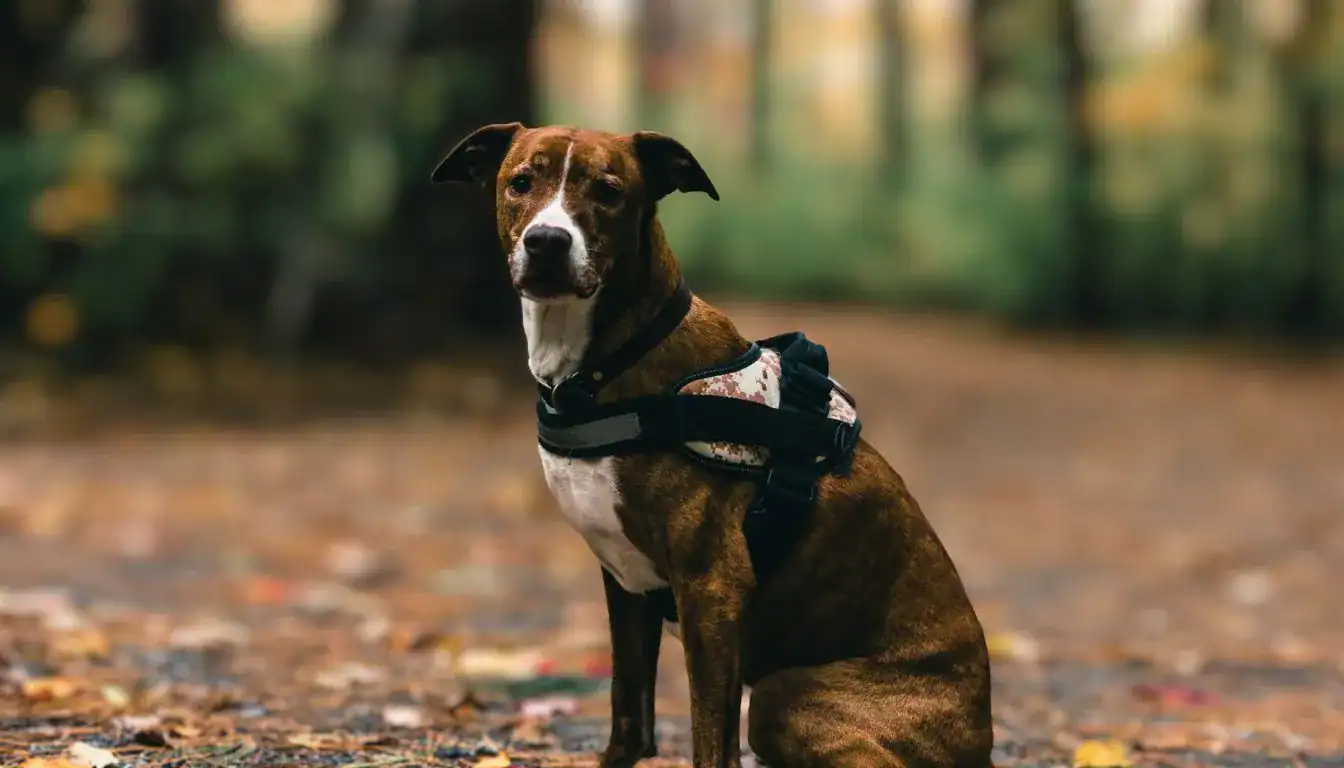
The Plott Hound is a medium-to-large American scenthound and hunting dog breed developed to track and corner large game like bears and wild boars in the dense Appalachian Mountains. That working history defines them today, requiring a level of endurance most families underestimate.
They possess a loud, ringing bark and an intense prey drive that makes casual neighborhood walks challenging without serious, consistent training. The Plott Hound forms strong bonds with its primary handler, but their exercise requirements are often completely underestimated by first-time families hoping for a lazy southern hound.
The Plott Hound is the official state dog of North Carolina and one of only a few breeds developed entirely within the country. In fact, it is the only dog breed from the United States with purely German ancestry rather than British foxhound roots. Despite this USA-centric distinction, the Plott Hound is generally rare outside the southern Appalachian region, where working hunters still form the core of the breeding population. For many owners, learning the breed’s history becomes part of what makes the dog special to us.
This guide combines working-dog experience with AKC breed standards, OFA screening protocols, and resources from the Plott Hound Association of America to outline the reality of owning a dedicated scenthound. The history of the Plott Hound runs over two and a half centuries, and understanding that background is key to understanding the dog in front of you.
This medium-sized breed is best suited for highly active handlers near secure outdoor space. It is not a practical choice for apartment living or low-activity households.
Affiliate Disclosure: K9Sphere is a participant in the Amazon Services LLC Associates Program. As an Amazon Associate, K9Sphere earns from qualifying purchases made through links in this article at no extra cost to you.
Breed Snapshot
📊 Vitals and Lifespan
Height
Males: 20-25 inches (51-64 cm)
Females: 20-23 inches (51-58 cm)
Weight
Males: 50-60 lb (23-27 kg)
Females: 40-55 lb (18-25 kg)
Lifespan
12-14 years
AKC Group
Hound Group
Origin
United States
🇺🇸
⭐ Personality Traits
Ratings (1 to 5). This relentless tracker pairs intense hunting instincts with deep affection for their handlers.
History and Origin
Unlike most American hounds that trace their lineage to English foxhounds, the Plott Hound dog breed claims a distinctly German heritage. The breed was developed and maintained primarily by the Plott family for seven generations in the mountains of North Carolina, and Johannes Plott supposedly kept his strain almost completely closed to outside bloodlines during his lifetime. Plott Hounds were used for tracking bear and wild boar across steep mountain terrain, and that specific working purpose shaped everything about the dog you see today.
📌 1750: The Hanover Hounds
German immigrant Johannes Plott arrived in North Carolina accompanied by five Hanoverian hounds. He settled in the Appalachian Mountains, bringing dogs traditionally used for tracking wild boar in Europe.
📌 1800s: The Bear Trackers
His son, Henry Plott, continued to refine the strain specifically to handle the rugged mountain terrain and the region’s formidable black bears. The family guarded their breeding stock closely, rarely selling outside their immediate circle.
📌 1946: UKC Recognition
The United Kennel Club formally registered the Plott Hound, giving the breed its first major kennel club recognition. The UKC has historically served the working coonhound community more directly than the AKC, making this an important milestone for the breed.
📌 1989: Official State Dog
In recognition of the breed’s deep historical ties and unique development exclusively within the state’s borders, the North Carolina General Assembly designated the Plott Hound as North Carolina’s state dog. It remains the only recognized scenthound to hold this honor.
📌 2006: AKC Recognition
The American Kennel Club formally recognized the Plott Hound in 2006, with the breed officially joining the Hound Group on January 1, 2007. Despite this national recognition, the Plott Hound remains relatively rare outside of southern hunting circles.
Physical Characteristics
The Plott Hound is medium-sized but carries significant muscle mass and a deep, powerful chest. Their physical structure is built entirely for endurance, allowing them to track fast-moving game across miles of steep, forested terrain.
🎨 The Brindle Coat
The most defining visual trait is the striking brindle coat pattern, which can range from light buckskin to dark mahogany streaks over a solid base. The coat itself is smooth, fine, and glossy, offering moderate protection against brush without causing them to overheat during intense physical exertion.
🏗️ Functional Build
Their ears hang moderately long and broad, helping to sweep scent particles upward toward a highly sensitive nose. The tail is long, slightly curved, and carried high when the dog is alert or actively working a scent trail.
Character and Temperament
Inside the home, they can be remarkably calm and deeply affectionate. Once they step outside and catch a scent, however, a switch flips, and their ancient tracking instincts completely take over.
🛡️ Alert and Territorial
Unlike a Bloodhound, which generally welcomes strangers, the Plott Hound tends to be aloof and territorial regarding its property. They are excellent alarm barkers rather than true guard dogs, forming intense bonds with their handlers while remaining suspicious of perceived threats.
🗣️ The Loud Bay
They are exceptionally vocal dogs. When excited, trailing, or bored, they let out a loud, ringing bay that travels for miles. This makes them outstanding alert dogs, but entirely unsuited for apartment complexes with noise restrictions.
🧠 Independent Thinkers
Scenthounds are bred to work away from the handler, making independent decisions on the trail. This translates to stubbornness during traditional obedience training. They understand the command, but they evaluate whether complying is worth their time.
🐿️ Relentless Prey Drive
Anything that runs will be chased. Neighborhood cats, squirrels, and small wildlife trigger an immediate pursuit response. Trusting this dog off-leash in an unfenced area requires absolute certainty in your recall command, which takes years to build.
Screening and Conditions
Because the Plott Hound has primarily been bred by working enthusiasts rather than for the commercial pet market, the breed shows a relatively low incidence of inherited disorders compared to commercial companion breeds. However, their deep-chested structure and floppy ears still require active prevention strategies, and regular vet checkups remain essential.
Veterinary Disclaimer: The information provided in this article is for educational purposes only and is not intended as a substitute for professional veterinary advice, diagnosis, or treatment. Always consult a licensed veterinarian for any health concerns about your pet.
Medical Information Sources: Data compiled from:
- OFA: Canine Health Information Center recommended screenings
- AVMA: Guidelines on deep-chested breed risks
Always consult your licensed DVM for personalized medical advice.
🔴 Gastric Dilatation-Volvulus (Bloat)
What to watch for: The deep chest cavity puts them at risk for this sudden, fatal condition where the stomach fills with gas and twists on itself. Symptoms include a swollen abdomen, pacing, drooling, and unproductive retching.
Screening: Prevention involves feeding multiple small meals and avoiding heavy exercise immediately after eating.
This is a medical emergency. Do not attempt home treatment. Seek immediate veterinary care.
If your Plott Hound eats too quickly, a slow feeder is one of the simplest ways to reduce bloat risk in deep-chested breeds.

Outward Hound Fun Feeder Slo Bowl
Use for: Slowing down fast eaters to reduce the risk of gastric torsion in deep-chested hound breeds.
Check price on Amazon🔴 Hip Dysplasia
What to watch for: An abnormal formation of the hip socket that causes grinding, leading to severe arthritis and lameness in an otherwise highly active dog.
Screening: OFA or PennHIP evaluation on both parent dogs is critically important before purchasing a puppy.
🟡 Ear Infections
What to watch for: The long, pendulous ears trap moisture and debris, creating a dark environment perfect for yeast and bacterial overgrowth. Watch for head shaking, scratching, or a foul odor.
Screening: Establish a routine of weekly visual checks and cleaning, particularly after they have been running through damp brush.
Grooming and Coat Care
Their short, dense coat is surprisingly low-maintenance. They shed moderately year-round, requiring only a weekly brush to remove dead hair and distribute natural skin oils. You should bathe them only every two to three months, unless they roll in something unpleasant in the field.
If you keep your Plott active in wooded or damp areas, weekly ear cleaning is one of the simplest ways to prevent painful infections.

Dog Ear Cleaning Finger Wipes with Aloe Vera
Use for: Weekly ear cleaning for breeds with floppy ears that trap moisture, helping prevent painful yeast infections.
Check price on AmazonBecause they are highly active outdoor dogs, regular nail trims are necessary to prevent painful splitting during runs. Provide a high-quality orthopedic dog bed to give their skeletal structure a comfortable resting place after intense trailing sessions.
Exercise and Living Needs
A short walk around the neighborhood will never drain this dog’s energy. They typically need 60 to 90 minutes of vigorous physical activity every single day, paired with mental tasks that challenge their nose.
If you do not plan to work them as a hunting dog in the field, you must replace that activity with extensive hiking, jogging, or structured dog sports like agility and tracking trials. Without a productive outlet, pent-up energy quickly turns into destructive chewing, non-stop howling, and separation anxiety when left alone for too long. A sturdy crate can help manage the puppy phase, but it is not a substitute for exercise.
They are not suited for apartment living. They require a home with a tall, secure fence, as their nose will easily lead them away from the property if they catch a compelling scent trail.
🚫 Not Suitable For
- Apartment living or townhomes with shared walls.
- First-time dog owners without working-breed experience.
- Homes with free-roaming small pets or backyard chickens.
- Owners unable to provide 60+ minutes of high-intensity exercise daily.
- Households where the dog will be left alone for long workdays without enrichment.
Nutrition & Diet
Fueling an athlete requires high-quality protein and careful portion control to protect their deep-chested structure.
🐶 Puppy Stage
Feed a measured medium-breed puppy formula to control their growth rate. Rapid weight gain stresses developing joints and increases the risk of early-onset dysplasia.
🐕 Adult Stage
Divide their food allowance into two or three smaller meals each day. Never feed them immediately before or after vigorous exercise to minimize the risk of gastric torsion. Keep them lean; you should easily feel their ribs beneath the short coat.
🐕🦺 Senior Stage
As their metabolism slows, adjust their caloric intake to prevent obesity. Integrating a high-quality hip and joint supplement can help preserve mobility as they age into their early teens.
Training
Training a scent-driven dog requires immense patience. While they are intelligent enough to learn quickly, their trainability is moderate for scent-driven breeds. Their independent nature means they will often ignore commands if a scent trail proves more interesting.
🛑 Socialization Priorities
Because they are naturally protective and aloof with strangers, early socialization is critical. Expose them to different people, environments, and sounds between 8 and 16 weeks to ensure they develop into confident, stable adults rather than fearful or reactive dogs.
🚶 Leash Training and Recall
Leash training is an immediate priority. A powerful 60-pound hound tracking a scent will easily drag an unprepared handler. Recall training must be practiced relentlessly, though most experts advise against trusting them off-leash in unsecured areas due to their overpowering prey drive.
🎯 Channeling the Prey Drive
You cannot suppress a scenthound’s hunting instinct, but you can redirect it into productive activities. Structured scent-work classes, AKC tracking trials, and hide-and-seek games in the yard satisfy their hardwired need to hunt without the risk of a neighborhood cat triggering a full sprint. A mentally tired dog is far calmer at home than a physically exhausted one.
Plott Hound vs Bloodhound vs Bluetick Coonhound vs Labrador
Understanding how the Plott Hound stacks up against other tracking breeds and common retrievers highlights exactly what makes them unique within the hound group. All four breeds share scent-working or retrieving heritage, but they differ in independence, trainability, and intensity of prey drive.
| Attribute | Plott Hound | Bloodhound | Bluetick Coonhound | Labrador Retriever |
|---|---|---|---|---|
| Weight | 40-60 lb (18-27 kg) | 80-110 lb (36-50 kg) | 45-80 lb (20-36 kg) | 55-80 lb (25-36 kg) |
| Original Purpose | Big-game tracker | Man-trailer | Night hunter | Water retriever |
| Energy Type | Endurance runner | Slow, steady tracker | Vigorous night hunter | Enthusiastic retriever |
| Trainability | Moderate (Independent) | Low (Scent-obsessed) | Moderate (Vocal) | Very High (Biddable) |
| Grooming | Minimal, short coat | High (drool, wrinkles) | Minimal, short coat | Moderate-heavy shedding |
| Threat Response | Alert, territorial | Friendly, welcoming | Vocal, aloof | Friendly, poor guard dog |
| First-Time Owner? | Challenging | Moderate (due to size) | Challenging | Yes |
| Vet Cost Burden | Low-Moderate | High (Bloat, eyes, ears) | Low-Moderate | Moderate |
| Living Space | Secure yard required | Large yard required | Secure yard required | Flexible |
The Plott Hound is the most agile of the group, built for speed and holding large game rather than slow, methodical man-trailing like the massive Bloodhound. Compared to the Bluetick Coonhound, the Plott Hound is the most independent, yet fiercely devoted to their immediate handlers. If you want the most handler-focused companion that stays close on a hiking trail, the Labrador Retriever is a much safer choice than any scenthound. If you want a pure working tracker for big game, nothing in this group matches the Plott Hound’s history.
Common Questions about the Plott Hound
Are Plott Hounds aggressive dogs?
Direct Answer: No, they are not inherently aggressive toward humans, but they are fiercely protective and possess a massive prey drive.
Context: They were bred to stand their ground against bears. This translates to a confident, sometimes aloof dog that does not back down when challenged. Small animals running through the yard will trigger their hunting instincts immediately.
Management: Early socialization is critical. You must establish clear rules regarding smaller pets and actively expose the dog to various environments while young.
Do Plott Hounds bark a lot?
Direct Answer: Yes, they are highly vocal dogs with a loud, carrying bay.
Context: Hounds use their voice to communicate with hunters over long distances. They will bark at strangers, wildlife, and even out of sheer boredom if left alone in a yard for too long.
Management: You cannot train the bark out of a hound. You must channel their energy through exercise to minimize nuisance barking.
Can a Plott Hound live in an apartment?
Direct Answer: It is highly challenging and usually not ideal for the dog or your neighbors.
Context: Their volume alone makes them poor candidates for shared walls. Additionally, their need to sprint and track requires immediate access to secure, open spaces.
Management: Only attempt this if you live right next to expansive, secure parks and can commit to hours of outdoor activity every single day.
Are Plott Hounds good family pets?
Direct Answer: Yes, they form very close bonds with their handlers when properly exercised.
Context: They are known for being exceptionally loyal to their immediate household. However, their high energy means they can accidentally knock over toddlers during play.
Management: Supervise all interactions with young children and teach kids how to respect the dog’s space and resting areas.
Do Plott Hounds shed heavily?
Direct Answer: They shed moderately, but their short coat is relatively easy to manage.
Context: You will find short brindle hairs on your furniture, but they do not experience the massive seasonal coat blowouts common in double-coated breeds.
Management: A simple weekly brushing with a rubber curry comb or hound glove is usually enough to keep the shedding manageable.
Are Plott Hounds easy to train?
Direct Answer: They are intelligent but stubborn, making them moderately difficult to train for traditional obedience.
Context: They were bred to think independently on a scent trail. If they smell something interesting, standard commands often fall on deaf ears.
Management: Keep training sessions short, highly rewarding, and consistent. Never let them off-leash in an unsecured area.
Why is the Plott Hound so rare?
Direct Answer: The breed was developed and maintained primarily by the Plott family for seven generations, and it remains primarily in the hands of working enthusiasts today.
Context: For decades, the Plott family rarely sold dogs outside their immediate circle in the Appalachian Mountains. Today, they are still bred mostly for performance rather than the pet market.
Management: Finding a puppy requires networking with established breed clubs and preparing for potentially long waiting lists.
Do Plott Hounds have a lot of medical problems?
Direct Answer: No, they are generally very healthy dogs with a long lifespan for their size.
Context: Because they have not been overbred for the commercial pet market, they lack many of the genetic issues seen in popular companion breeds. Their primary risks are physical injuries from working and deep-chested bloat.
Management: Stick to breeders who perform standard OFA hip evaluations and feed them carefully to prevent gastric torsion.
Finding a Puppy
Before buying a Plott Hound puppy, run this 4-step check: (1) Can you dedicate 60 to 90 minutes to intense physical exercise every single day? (2) Is your budget prepared for potential hip screenings or emergency bloat surgery? (3) Are you ready to manage a loud, baying bark that will frustrate close neighbors? (4) Have you contacted at least one Plott Hound breed club or rescue to discuss the breed’s true working temperament? If any answer is no, reconsider the breed.
Reputable breeders rarely post puppies for sale online at a fixed price without vetting the buyer first. Expect long waitlists and a detailed screening process before anyone hands over a puppy.
🏠 Responsible Source
Look for breeders heavily involved in field trials or conformation shows. They should proudly display OFA hip clearance certificates for both parent dogs. Because the Plott Hound is a performance breed, expect the breeder to interview you rigorously about your fencing and exercise plans.
🐾 Rescue Organizations
Adult dogs frequently end up in regional rescues when owners underestimate the sheer volume of their bark or their demanding exercise needs. Adopting an adult allows you to bypass the chaotic puppy phase and select a dog whose prey drive matches your lifestyle.
🚩 Red Flags to Watch For
- Inability to provide hip scores for the parent dogs.
- Litters available immediately without a waitlist or handler screening process.
- Selling puppies purely on coat color rather than temperament or working ability.
- Parents kept in isolated, poorly maintained outdoor kennels with no human socialization.
Personal Observation
💭 Personal Observation
Twenty years of handling dogs with strong prey drive has taught me one consistent truth: you cannot train the instinct out, you can only redirect it. The moment a high-drive rescue I manage catches the scent of a cat slipping across the road, everything I taught that dog inside the compound dissolves. The Plott Hound carries that same hardwired tracking drive, refined across seven generations of bear and boar work in the Appalachian Mountains. Expecting one to ignore a deer trail on a morning walk is like asking a retriever to ignore water. The dog will comply for a moment, then the nose takes over. This is why a secure fence, a reliable long-line, and a structured outlet for the drive are not optional. They are the entire framework that separates a happy working dog from a frustrated, destructive one that escalates the household into chaos.
Conclusion
The Plott Hound remains a brilliant testament to American working-dog history. On the pro side, you get unmatched endurance, deep loyalty, and a striking brindle coat that stands out in any crowd. The main con, and it is a significant one, is the sheer amount of time this hound dog breed demands from its handler.
This exceptional athlete is hard to satisfy without a real commitment. They require a home with secure fencing, plenty of open space, and an owner willing to manage their loud voice and fierce tracking instincts. For those ready to step into an active leadership role, the reward is an unbreakable bond with a truly historic companion.


