

The Dutch Shepherd is a versatile herding dog developed in the Netherlands to manage sheep and guard rural estates. What makes this breed stand out is a brilliant combination of an intense working drive and a uniquely striped brindle coat. The Dutch Shepherd is a lively companion that thrives when given complex tasks.
This herding dog of Dutch origin approaches daily life with relentless energy and profound loyalty. Reviewing accurate Dutch Shepherd dog breed information helps buyers prepare for the reality of living with an elite canine athlete. Properly trained, they excel in police work, competitive obedience, and demanding farm tasks.
This guide draws on breed standard data from the American Kennel Club and health testing protocols from the American Dutch Shepherd Association. Resources from the German Shepherd Dog Club of America also provide context on how these closely related working dogs are managed safely.
Daily commitments include rigorous exercise, structured obedience work, and consistent mental stimulation. The breed rewards handlers who match its needs with an incredibly capable and devoted partner.
Households without previous working dog experience should review the daily demands honestly before deciding. This shepherd is an uncommon breed that suits a confident owner ready to dedicate significant time to training.
Affiliate Disclosure: K9Sphere participates in the Amazon Services LLC Associates Program and other affiliate programs. K9Sphere earns from qualifying purchases made through links in this article at no additional cost to you. Product recommendations are based on independent research and editorial judgment, not paid placement.
Breed Snapshot
📊 Vitals and Lifespan
Height
Males: 22.5 to 24.5 in (57 to 62 cm)
Females: 21.5 to 23.5 in (55 to 60 cm)
Weight
Males: 50 to 75 lb (23 to 34 kg)
Females: 42 to 65 lb (19 to 29 kg)
Lifespan
11 to 14 years
Breed Group
AKC Miscellaneous Class (Herding)
Origin
Netherlands
🇳🇱
⭐ Personality Traits
Ratings (1 to 5). This active herder balances deep family loyalty with extreme working energy and high training needs. A high energy score reflects a true working dog, not a flaw.
History and Origin
The origins of the Dutch Shepherd date back to the rural farming communities of the Netherlands in the 1800s. Shepherds bred these dogs for practical farm work rather than specific visual aesthetics. They moved flocks, pulled small carts, and guarded the property boundaries.
📌 1898: The First Breed Standard
Enthusiasts founded the Nederlandse Herdershonden Club in 1898 and wrote the first breed standard to define the Dutch type. The early standard allowed a wide range of coat colors before later focusing on the brindle pattern.
📌 1914: The Brindle Restriction
In 1914 the standard was narrowed to allow only brindle coats. This deliberate choice gave the breed a clear visual identity and helped distinguish it from the closely related German Shepherd and the Belgian Shepherd varieties.
📌 Modern Era: The Working Dog Transition
As herding jobs declined, the breed’s intelligence and athleticism made it a strong candidate for security roles. Many police and military programs have come to value the dog for its agility and focus. In the USA the AKC recorded it in the Foundation Stock Service in 2012 and moved it to the Miscellaneous Class in 2017, yet the Dutch Shepherd is still a rare breed in pet homes.
Physical Characteristics
The dog has a highly athletic, muscular frame built for endurance. The wedge-shaped head features dark, almond-shaped eyes and erect ears that convey constant alertness.
🎨 The Brindle Coat
The distinctive brindle pattern defines the breed. The base color is either gold or silver, overlaid with dark stripes. There are three recognized coat varieties. The short-haired type is the most common. The rough-haired type feels harsh and tousled to the touch. While the short coat is typical, long-haired Dutch Shepherds exist and need more intensive brushing.
🏗️ Agile Frame
They are slightly smaller and more lightly built than their German cousins. A mature male can weigh up to around 75 pounds at the top of the range. They move with a light, springy trot that lets them cover ground efficiently without tiring.
Character and Temperament
A true working dog needs a job to stay balanced. The temperament is intense, focused, and profoundly loyal. They bond closely with their handler and tend to view the family unit as their flock.
🛡️ Protective Guard Dog
They are naturally watchful and will alert the household to approaching strangers. They make capable guard dogs but should be socialized early to prevent fear-based reactivity. They tend to be reserved rather than overly friendly with guests.
🔥 High Energy
This is not a couch potato. They thrive on vigorous activity and mental challenges. Without an outlet for their drive, they can become destructive and anxious indoors.
💪 Independence
They think for themselves while working. This independence served them well when managing sheep alone but means they may test an inexperienced owner. Firm, consistent leadership matters a great deal.
🧠 Highly Trainable
They learn complex commands rapidly. Their obedience potential is exceptionally high. They excel in agility courses, tracking exercises, and advanced protection sports.
Screening and Conditions
Veterinary Disclaimer: The information in this article is for educational purposes only and is not a substitute for professional veterinary advice, diagnosis, or treatment. K9Sphere’s authors are experienced dog owners, not licensed veterinarians. Always consult a qualified DVM regarding any health concerns about your pet. Never disregard professional veterinary advice or delay seeking it because of something you have read on this site.
Health and Breed Information Sources:
- American Kennel Club for breed information and the official standard
- American Dutch Shepherd Association for parent-club health guidance
- Orthopedic Foundation for Animals (OFA) for joint and eye screening protocols
Always consult your licensed DVM for personalized medical advice.
Some lines may show fewer structural issues than heavier shepherd breeds, though hip and elbow dysplasia still occur. Responsible breeders use comprehensive screening to protect this structural soundness.
Common Health Risks
🔴 Hip Dysplasia and Elbow Dysplasia
What to watch for: Stiffness rising from rest, reluctance to jump, or a noticeable limp after heavy exercise. This joint malformation can cause premature arthritis. These conditions are often reported as less common in this breed than in some heavier working dogs, but they still occur.
Screening: Reputable breeders secure OFA clearances for both parents. Keeping the dog lean throughout its life reduces the strain placed on the joints.
🟡 Goniodysplasia
What to watch for: Cloudiness in the eye, excessive tearing, or signs of vision loss. This inherited eye condition affects fluid drainage and can raise glaucoma risk. It is reported more often in the rough-haired variety, for which breed-club regulations call for screening.
Screening: Gonioscopy of breeding stock, particularly rough-haired dogs, plus annual veterinary eye exams to catch early changes.
🟡 Anesthesia Sensitivity
What to watch for: Prolonged recovery times or unexpected reactions during surgical procedures. While less common than in sighthounds, some individuals display sensitivity, so it is not a universal breed trait.
Veterinary Care: Inform your vet before any procedure. Modern clinics can adjust protocols for sensitive dogs.
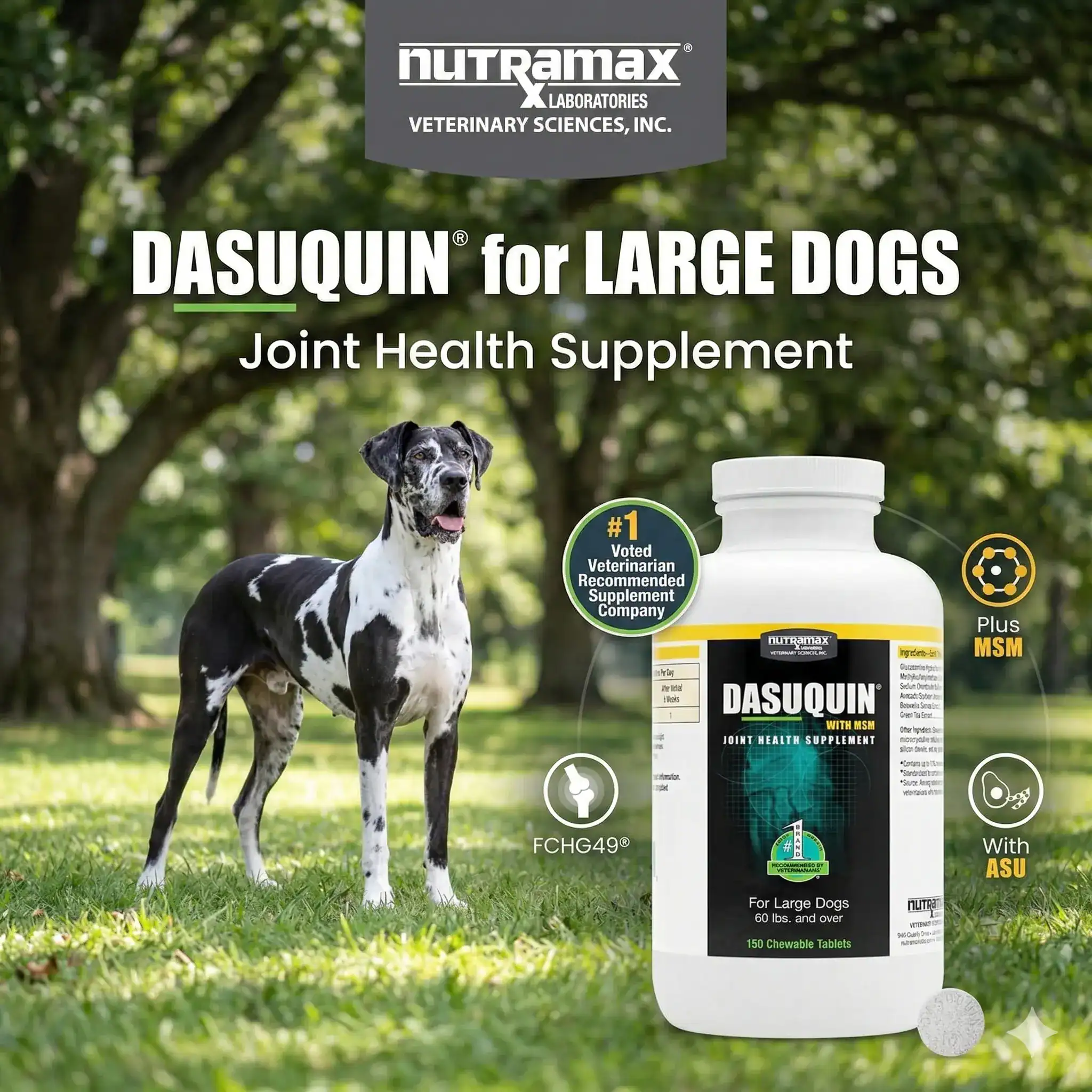
Nutramax Dasuquin with MSM Soft Chews for Large Dogs
Use for: Daily joint support in highly active working breeds. Some owners choose glucosamine and chondroitin supplements to support joint health in dogs performing intense physical tasks. Evidence of benefit varies, it is not a treatment or cure for joint disease, so discuss supplementation with your veterinarian.
Check price on AmazonGrooming and Coat Care
Maintenance depends on the coat variety you choose. The short-haired dogs need little effort. A weekly brush removes loose hair and keeps the skin healthy. They shed moderately year-round and drop undercoat more heavily twice a year during seasonal changes.
Long-haired varieties need thorough brushing several times a week to prevent matting, particularly behind the ears and under the legs. The rough-haired dogs need hand-stripping roughly twice a year to maintain the correct harsh texture.
You only need to bathe them when they get significantly muddy. Frequent shampooing strips the natural oils that protect their skin. Our guide on the best brushes for shedding dogs highlights the deshedding rakes that help manage the seasonal blowout.
Exercise and Living Needs
A short walk around the block is rarely enough to satisfy this active dog. Most healthy adults benefit from about 60 to 90 minutes of structured activity plus daily mental enrichment, although individual needs vary. You should provide opportunities for them to sprint, fetch, and complete agility drills.
Mental exercise is equally important. Scent work, advanced obedience training, or puzzle games tire their minds effectively. A bored working dog often channels its intense energy into destructive behavior.
They adapt well to different climates but do best with a securely fenced yard to run safely. Apartment life tends to be a poor fit for this breed, given their space needs and vocal alert tendencies, so they generally do better with room to move.
Nutrition & Diet
Feed a high-quality dog food formulated for active breeds. The diet should contain enough protein to support their lean, muscular build. Measure the food carefully, since an overweight dog places extra stress on its joints.
Puppies need a controlled growth diet to help prevent skeletal issues. Because they have fairly deep chests, some veterinarians suggest dividing the daily ration into two smaller meals as one management strategy for gastric dilatation-volvulus (GDV), though no single measure fully prevents it. Active working days may call for adjusted calories to maintain proper body condition.
Training
These dogs are extraordinarily smart and eager to work. They learn new behaviors rapidly. Their intelligence also means they will notice inconsistencies in your commands quickly. Firm, fair, and consistent leadership yields the best results.
Early socialization is critical. Introduce the puppy to diverse environments, children, and unfamiliar dogs to build a stable adult. Crate training provides a secure resting place and helps with housebreaking.
They respond poorly to harsh physical corrections, often shutting down or becoming reactive. Positive reinforcement using high-value treats or tug toys keeps them engaged and eager to perform.
Dutch Shepherd vs German Shepherd vs Belgian Malinois vs Belgian Shepherd
Comparing this herder with the Belgian Malinois reveals subtle differences in intensity. Between the Dutch Shepherd and German Shepherd, the Dutch lines generally present fewer structural health issues and a slightly smaller, more agile frame.
The differences between the Dutch Shepherd and Belgian Shepherd come down mainly to the brindle coat and head details. The contrast between the Belgian Shepherd and German Shepherd, by comparison, is largely one of speed against deliberate power.
| Attribute | Dutch Shepherd | German Shepherd | Belgian Malinois | Belgian Shepherd |
|---|---|---|---|---|
| Weight | 42 to 75 lb | 50 to 90 lb | 40 to 80 lb | 45 to 75 lb |
| Original Purpose | Herding and farm work | Herding and guarding | Herding and protection | Herding and farm work |
| Energy Type | High, sustained drive | Moderate to high, versatile | Extreme, intense drive | High, agile movement |
| Trainability | Highly intelligent | Highly intelligent | Exceptionally sharp | Highly intelligent |
| Grooming | Moderate shed, weekly brush | Heavy shed, frequent brush | Moderate shed, weekly brush | Long coat, high maintenance |
| Threat Response | Protective guard dog | Confident deterrent | Immediate action | Alert and protective |
| First-Time Owner? | No | With dedication | No, experts only | No |
| Common Health Risks | Hip dysplasia, eye issues | Hip dysplasia, bloat, spinal issues | Hip dysplasia, eye issues | Hip dysplasia, epilepsy |
| Living Space | House with large yard | House with yard | House with secure yard | House with yard |
If you want the extreme capability of a Malinois with a slightly more manageable “off switch” indoors, the Dutch lines offer an appealing compromise. The Dutch Shepherd’s brindle coat also sets it apart visually from the solid colors of the Belgian varieties.
Common Questions about the Dutch Shepherd
Are they good family dogs?
Direct Answer: Yes, they bond deeply with their family, but their high energy makes them challenging for households with toddlers.
Context: They are fiercely loyal and protective of their owners. A properly socialized dog usually does well with a kid in the family. However, their herding instinct can prompt them to nip at the heels of running children.
Management: Teach children appropriate interaction rules. Make sure the dog receives ample exercise before expecting it to relax during family time.
How much does a Dutch Shepherd cost?
Direct Answer: As an approximate, time-sensitive guide, expect a price between USD 1,500 and 3,000 for a well-bred puppy. Prices vary by breeder, location, pedigree, and availability, and rates in the UK, Canada, and Australia differ.
Context: Working-line dogs with proven parentage command higher prices. The purchase cost is only the beginning, and you should budget for high-quality food, training classes, and routine vet care.
Management: Be cautious of bargain puppies online, since unscreened genetics can lead to expensive orthopedic problems later in life.
Do they shed a lot?
Direct Answer: They shed year-round, with two heavier shedding periods annually.
Context: The short-haired variety drops less visible hair than the long-haired type, but both need maintenance. You will find brindle fur on your furniture and clothes.
Management: Commit to brushing them thoroughly once a week using a quality slicker brush to remove the dead undercoat.
Can they live in an apartment?
Direct Answer: It is a poor fit. Apartment living is generally unsuitable for most Dutch Shepherds because of their exercise and mental stimulation needs.
Context: Their immense energy and vocal alert barking create friction in tight shared housing. They need open space to move freely.
Management: This dog does best in a home with a securely fenced yard to fulfill its patrol and exercise instincts.
Are they aggressive?
Direct Answer: A well-bred dog is not inherently aggressive, but they are highly protective guard dogs.
Context: They tend to treat strangers with suspicion and may act defensively if they perceive a threat to their owner. Poorly socialized dogs face a higher risk of fearful or reactive behavior.
Management: Expose the dog to varied people and situations early in life. Establish clear obedience control so the dog defers to your judgment.
What is their lifespan?
Direct Answer: They typically live between 11 and 14 years.
Context: For an active working breed, this is a strong lifespan. Many remain active and sound well into their senior years when kept fit and healthy.
Management: Keep them lean, feed a quality diet, and maintain their physical fitness to support their healthy years.
Are they good for first-time owners?
Direct Answer: Usually not. Their intelligence and intensity tend to require an experienced handler.
Context: A novice owner can quickly feel overwhelmed by the dog’s drive and need for constant stimulation, and these dogs will exploit inconsistent rules.
Management: Choose this breed if you have successfully trained strong-willed dogs before, or commit to working closely with a professional trainer.
Do they bark a lot?
Direct Answer: Often yes. They are vocal dogs that alert their owners to changes in the environment.
Context: They take their guarding duties seriously and will bark at delivery drivers, passing animals, and unfamiliar noises. Separation anxiety can also trigger distress barking.
Management: Train a “quiet” command early, and make sure they are sufficiently tired to limit boredom-induced nuisance barking.
Do they have a high prey drive?
Direct Answer: Often yes. Their herding background gives them a strong instinct to chase moving objects.
Context: They may chase cats, squirrels, and bicycles if not properly contained. Coexisting with smaller pets requires careful, supervised introductions.
Management: Keep them leashed in unconfined areas and establish a reliable recall command using high-value rewards.
Are Dutch Shepherd puppies easy to train?
Direct Answer: They learn quickly but need firm, consistent boundaries from day one.
Context: Dutch Shepherd puppies are sponges for information. They master basic obedience rapidly but will test your authority during adolescence.
Management: Enroll in puppy classes early. Keep training sessions brief, positive, and mentally challenging to hold their interest.
Finding a Puppy
Locating a purebred Dutch Shepherd for sale requires patience. Demand has increased as people recognize their working capabilities, but the Dutch Shepherd is a rare breed and remains relatively uncommon in the US. You may not find a litter near you right away, so expect to join a waitlist.
🏠 Reputable Breeders
Search for breeders registered with the American Dutch Shepherd Association. A quality breeder proves their dogs’ working ability and provides OFA health clearances for hips and elbows, plus eye screening. They will interview you in detail to ensure you understand the breed’s intense demands.
🐾 Rescue and Adoption
You can adopt adult dogs through working-dog rescue networks. Taking on an adult lets you bypass the demanding puppy phase and see the fully developed temperament. Be prepared to prove you have a secure yard and a training plan.
🚩 Red Flags to Watch For
- No OFA joint or eye screening documentation for the parents.
- Breeders pushing puppies as “easygoing family pets.”
- Parents that appear extremely fearful or behave aggressively during your visit, which can be a warning sign.
- Refusal to let you inspect the whelping environment.

FurHaven Orthopedic Dog Bed (Large)
Use for: Supportive rest for a hard-working athlete. The orthopedic foam cushions active joints after long days of running and training, giving a busy herder a comfortable place to recover.
Check price on AmazonPersonal Observation
💭 Personal Observation
My rescues vary enormously in how much activity they need, and the Dutch Shepherd sits at the top of that scale. My young male Rambo needs hours of real running before he will settle indoors, and a working herder like this one runs on the same intense frequency. My senior Moti, by contrast, is content with a slow neighborhood walk.
The high-drive dogs in my pack taught me one thing clearly. A working dog with no job will create work of its own, usually some habit you then have to undo. If you want a calm companion that naps on the sofa all day, this is a hard match. With a Dutch Shepherd, you have to bring real energy of your own, every single day.
Conclusion
The Dutch Shepherd offers remarkable versatility and loyalty to handlers capable of managing its immense drive. In our view, the clear pro is acquiring a brilliant partner ready for almost any physical or mental challenge.
The con is managing an animal that can turn destructive if its daily exercise needs are ignored. If you lack the time for extensive training or prefer a relaxed house pet, consider a calmer breed. For active owners seeking an elite working dog, this one delivers.
📋 Before bringing one home, run this 4-step pre-buying check
- Exercise commitment. Can you provide around 90 minutes of vigorous running and mental work daily?
- Time and training. Do you have the experience to handle a highly intelligent working dog?
- Living space fit. Do you have a securely fenced yard rather than a small apartment?
- Grooming reality. Are you prepared for seasonal shedding and regular brushing?
If any answer is no, reconsider the breed.
Editorial Disclaimer: This article is for informational and educational purposes only. It does not constitute veterinary advice, medical diagnosis, or treatment recommendations. Always consult a licensed veterinarian before making health-related decisions for your pet.
Accuracy Notice: While every effort has been made to ensure the information presented here is accurate and current, breed information evolves and individual dogs vary. If you spot a factual error or have updated information from a verified source, please contact us so we can review and update.
Product Disclosure: Product recommendations are based on independent research and editorial judgment. Individual results may vary. K9Sphere participates in the Amazon Services LLC Associates Program and other affiliate programs, and earns from qualifying purchases at no additional cost to you.
Last reviewed: June 2026. Article reviewed for accuracy on the date shown above.


