
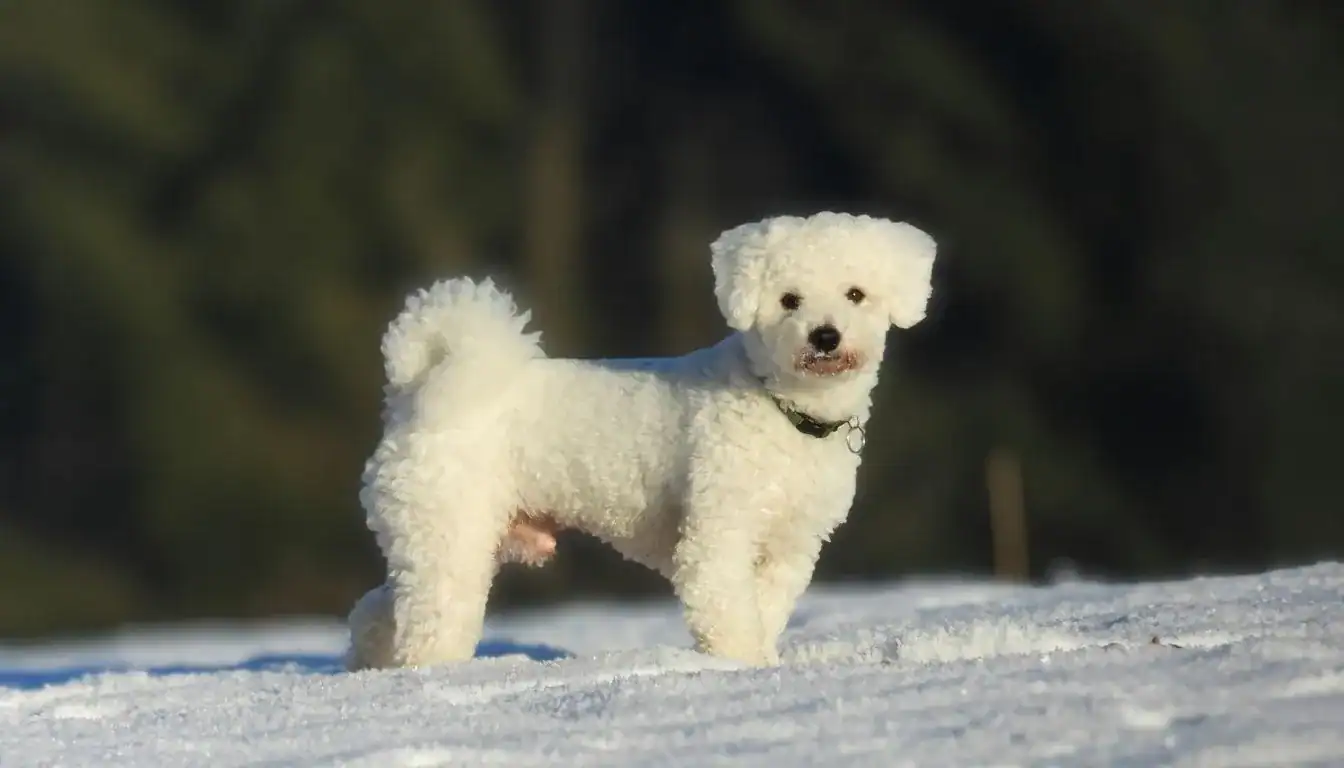
The Bichon Frise is a compact, curly-coated companion dog breed of Mediterranean origin, refined in France and Belgium as a lap pet for European nobility. The American Kennel Club places the Bichon Frise breed in the Non-Sporting Group alongside the Chow Chow and French Bulldog, and this small dog ranks consistently among the top 50 most popular breeds in the USA. The Bichon Frise’s French name translates as “curly lap dog,” and the original French spelling “Bichon Frisé” is still used on FCI pedigrees.
Most people acquire this compact indoor dog expecting a simple companion that requires minimal physical effort. The reality involves consistent coat management, a high risk of separation anxiety, and specialized vet costs that catch many first-time families off guard. The price of ownership sits far above the purchase price of the puppy itself.
While their cheerful temperament is exceptional and their hypoallergenic coat sheds almost nothing onto furniture, the trade-off is a schedule of coat maintenance that never stops. Daily combing plus a full haircut every four to six weeks is the non-negotiable cost of keeping Bichons comfortable and mat-free.
Bichons bond intensely to their family and struggle with long periods of solitude. A household that is empty from morning until evening is a mismatch the Bichon Frise will make abundantly clear through destructive chewing, alarm barking, and house-training regressions.
This Bichon Frise guide draws on AKC breed standards, Bichon Frise Club of America research on genetic predispositions for Bichon Frises, and OFA orthopedic screening protocols to outline the daily realities of keeping this curly companion in a modern home.
Affiliate Disclosure: K9Sphere is a participant in the Amazon Services LLC Associates Program. As an Amazon Associate, K9Sphere earns from qualifying purchases made through links in this article at no extra cost to you.
Breed Snapshot
📊 Vitals and Life Expectancy
Height
9.5-11.5 inches (24-29 cm)
Weight
12-18 lb (5-8 kg)
Life Expectancy
14-16 years
Breed Group
Non-Sporting Group
Origin
France / Belgium
🇫🇷 🇧🇪
⭐ Personality Traits
Ratings (1 to 5). This cheerful Bichon Frise dog breed demands serious grooming dedication and constant human interaction to prevent destructive behavior.
History and Origin
The lineage of this curly dog breed traces back centuries across the Mediterranean basin. Originally descended from Barbet-type water spaniels and early Poodle lines, these adaptable dogs sailed alongside merchants and quickly gained favor among European nobility.
📌 13th Century: Mediterranean Origins
Sailors frequently used these lively little dogs as bartering items during trade voyages. Their cheerful disposition made them highly desirable trade commodities across coastal ports in Italy, Spain, and the Canary Islands.
📌 16th Century: Royal Courts
Bichons became favored court dogs of French and Spanish nobility. King Henry III of France famously carried his pet Bichon in a specialized basket suspended from his neck, cementing the breed’s status as an elite lap pet.
📌 19th Century: Street Performers
Following the French Revolution, many aristocratic dogs were turned out onto the streets. Their high intelligence and engaging personalities allowed them to survive by becoming popular performers for organ grinders and circus troupes.
📌 1956: Arrival in the US
A handful of Bichons Frise arrived in the United States from France. Dedicated breeders spent the next seventeen years building a population stable enough to pursue American Kennel Club recognition.
📌 1973: AKC Non-Sporting Group
On April 4, 1973, the American Kennel Club placed the breed in the Non-Sporting Group, granting full championship eligibility. Breeders fought successfully against Toy Group placement to preserve the substance of the dog.
Today, Bichons remain heavily utilized as therapy dogs and indoor companions near their owners at all times, maintaining the same engaging personality that originally captivated European aristocrats.
Physical Characteristics
The Bichon Frise is defined by its plush, snow-white appearance. The structure beneath the curls is surprisingly sturdy, built for quick bursts of agility rather than fragile lounging.
🎨 The Powder Puff Coat
They possess a soft, dense undercoat beneath a coarser, curly outer layer. This combination creates a plush texture that springs back when touched. Because Bichons lack a standard shedding cycle, the fur continues to grow and requires constant maintenance to prevent severe matting.
👁️ Eye and Expression
Dark, inquisitive eyes set against a pure white face create an engaging, intelligent expression. Maintaining this pristine look requires diligent daily wiping, as the Bichon Frise is highly prone to reddish-brown tear stains setting into the facial fur.
Character and Temperament
The Bichon Frise temperament revolves around human interaction. Without clear guidance and steady company, bright intelligence easily channels into neurotic anxiety.
👥 Velcro Personality
Bichons bond intensely with their handler. This extreme attachment means they will shadow you from room to room, completely unwilling to settle comfortably if you are out of sight.
🎉 Social Demands
The Bichon Frise loves visitors and adapts quickly to new people. A high friendliness rating makes Bichons excellent candidates for visiting extended family, provided introductions are handled calmly.
📢 Alarm Barking
While not physically aggressive, Bichons are highly alert and vocal. They consider it their duty to announce every delivery driver, passing pedestrian, or unfamiliar sound outside the front door.
🎭 Playful Spirit
Bichons retain a playful, clownish demeanor well into their senior years. This dog thrives on learning new tricks and performing for an audience, using intelligence to secure extra attention.
Screening and Conditions
Veterinary Disclaimer: The information provided in this article is for educational purposes only and is not intended as a substitute for professional vet advice, diagnosis, or treatment. Always consult a licensed vet for any medical concerns about your pet.
Medical Information Sources: Data compiled from:
- OFA (Orthopedic Foundation for Animals): Required skeletal and vision screening protocols
- Bichon Frise Club of America: Research on genetic predispositions for Bichon Frises
Always consult your licensed DVM for personalized medical advice.
Popularity has led to widespread irresponsible breeding, which increases susceptibility to severe joint and vision problems. Strict parental screening is the primary defense against a lifetime of expensive medical interventions.
🔴 Immune-Mediated Diseases (IMHA & ITP)
What to watch for: A known predisposition exists for autoimmune conditions where the body mistakenly attacks its own red blood cells (IMHA) or platelets (ITP). Symptoms appear rapidly and include severe lethargy, pale or jaundiced gums, rapid breathing, and unexplained bruising.
This is a medical emergency. Do not attempt home treatment. Seek immediate vet care.
🔴 Patellar Luxation
What to watch for: The kneecap slides out of its anatomical groove, causing sudden pain and a noticeable skipping gait. Severe deterioration requires surgical correction.
Screening: OFA evaluation on both parents is strongly recommended. Providing a supportive orthopedic dog bed helps cushion delicate joints during rest and recovery.
🔴 Cataracts and Eye Issues
What to watch for: This is a genetic condition in the Bichon Frise with predispositions for early-onset cataracts leading to blindness, as well as blocked tear ducts that cause chronic staining and moisture buildup around the eyes.
Screening: Annual veterinary ophthalmologist screening is strongly recommended for breeding stock.
🟡 Skin Allergies
What to watch for: Sensitive skin reacts easily to environmental allergens and dietary triggers. This leads to intense scratching, hot spots, and secondary bacterial infections in the skin.
Management: Identifying the specific trigger often requires extensive elimination diets and veterinary dermatology testing. A targeted Omega-3 salmon oil supplement may help support skin and coat health once the trigger has been identified.
🟡 Dental Disease
What to watch for: Narrow jaws lead to crowded teeth, trapping plaque and rapidly accelerating periodontal disease. Untreated dental buildup results in painful extractions and systemic bacterial spread.
Management: Daily brushing and professional dental scaling are required to prevent tooth loss. Dental care is one of the most overlooked areas of Bichon Frise care.

Oxyfresh Premium Pet Dental Care Water Additive
Use for: Daily plaque management in small-breed dogs prone to severe periodontal disease. Helps control dental plaque buildup and breath odor between professional veterinary cleanings, reducing the risk of costly dental extractions later in life.
Check price on AmazonGrooming and Coat Care
The fluffy white style of the Bichon Frise is notoriously hard to keep tidy. While Bichons do not drop hair around the house, the loose fur gets permanently trapped within the tight curls, forming mats that pull painfully on the skin.
Daily combing all the way down to the skin is mandatory. Missing even two days leads to tight, painful mats that must eventually be shaved off by a professional rather than brushed out.

Vet’s Best Hypo-Allergenic Dog Shampoo for Sensitive Skin
Use for: Bathing dogs with sensitive, allergy-prone skin without triggering flare-ups. Cleans gently while maintaining the bright white coat, and avoids harsh chemicals that commonly irritate this breed’s reactive skin barrier.
Check price on AmazonRegular brushing with an appropriate grooming tool helps remove trapped dead hair and reduces painful tangling. Curly-coated dogs benefit exclusively from high-quality slicker brushes and metal combs, rather than standard bristle tools that skim the surface without reaching the undercoat.
Every four to six weeks, the Bichon Frise requires a full professional haircut to keep the length hygienic. This represents a heavy financial commitment that lasts throughout the entire 14-to-16-year life of the dog.
Exercise and Living Needs
A young Bichon requires substantially more activity than a simple potty break. Expect to dedicate 45 to 60 minutes each day to structured walks and interactive play.
Bichons are highly adaptable to apartment living provided their physical and emotional needs are met. Fast bursts of energy, often called zoomies, are incredibly common in the evenings and require open floor space to safely burn off.
Physical exhaustion alone is rarely enough for this intelligent companion. Scent games and basic obedience drills provide the mental stimulation necessary to keep Bichons calm indoors.
Nutrition & Diet
Proper feeding protocols protect the vulnerable skeletal structure of the Bichon Frise and prevent obesity-related complications that compound joint and dental problems over time.
🐶 Puppy Stage
Strict portion control is vital from day one. A high-quality small-breed puppy formula supports steady bone development and helps establish a predictable bathroom routine during the critical early months.
🐕 Adult Stage
Obesity puts catastrophic stress on delicate joints, drastically increasing the risk of patellar luxation. Weigh meals with a kitchen scale to prevent excessive weight gain, factoring in every training treat provided during the day.
🐕🦺 Senior Stage
As metabolism slows, transition to a lower-calorie senior diet. This is the optimal time to monitor dental wellness closely, as older Bichons frequently struggle to chew hard kibble if periodontal disease has progressed. Adding a proven hip and joint supplement during this phase helps preserve cartilage in delicate, stress-prone joints.
Training
The Bichon Frise possesses an intense desire to please, which makes Bichons eager students. However, physical limitations and a stubborn streak mean any lack of consistency quickly becomes a frustrating liability.
🛑 Housebreaking Challenges
Tiny bladders and a notoriously stubborn streak make potty training exceptionally difficult. Crate training is strongly recommended to establish a reliable routine and prevent early accidents from becoming permanent habits. Rainy-weather aversion is common; plan for a covered potty area if you live in a wet climate.
👑 Leadership Through Trust
Bichons respond exceptionally well to positive reinforcement and enthusiastic praise. Harsh vocal corrections easily break trust and cause the dog to shut down entirely during obedience sessions. Keep sessions short, fast-paced, and end on a successful repetition.
🎯 Managing Separation Anxiety
Teach independence incrementally from the first week. Start with short five-minute absences and extend them gradually over weeks. Leaving a Bichon alone for a full workday without prior desensitization often results in extreme vocal distress and destructive chewing around exits.
Bichon Frise vs Miniature Poodle vs Maltese vs Shih Tzu
Understanding how this curly companion stacks up against other popular small dog breeds helps clarify what daily maintenance entails. Prospective families frequently evaluate the Bichon Frise alongside the Miniature Poodle, the Maltese, and the Shih Tzu, since all four share a non-shedding or low-shedding coat plus recurring haircut costs.
| Attribute | Bichon Frise | Miniature Poodle | Maltese | Shih Tzu |
|---|---|---|---|---|
| Weight | 12-18 lb (5-8 kg) | 10-15 lb (4-7 kg) | 4-7 lb (2-3 kg) | 9-16 lb (4-7 kg) |
| Original Purpose | Noble lap companion | Performer / water retriever | Roman royal lap pet | Tibetan palace companion |
| Energy Type | Playful, bursts of speed | Athletic, highly active | Gentle, low-moderate | Relaxed, short play bursts |
| Trainability | Good, eager to please | Exceptional, highly focused | Moderate, stubborn streak | Moderate, independent |
| Grooming | Critical (daily combing) | Critical (professional clipping) | Critical (daily brushing) | Critical (daily brushing) |
| Threat Response | Vocal alarm barker | Alert, reserved warning | High-pitched alarm | Moderate alarm barker |
| First-Time Owner? | Yes (with time commitment) | Yes | Yes | Yes |
| Vet Cost Burden | Moderate-High | Moderate | Moderate (dental focus) | High (eyes, airway, back) |
| Living Space | Highly adaptable | Adaptable (needs mental work) | Apartment ideal | Apartment ideal |
The Bichon Frise occupies a specific position in this group: more robust and playful than the fragile Maltese, but less athletic than the Miniature Poodle. Against the Shih Tzu, the Bichon Frise is more active and more trainable, while the Shih Tzu is calmer indoors but carries higher vet risks around brachycephalic breathing and eye ulcers. If you want a brilliant, highly trainable dog for agility, the Poodle is the stronger choice. Owners drawn to the Poodle coat profile but wanting a smaller, easier alternative often end up considering the Cavapoo, a Cavalier × Poodle cross that shares the low-shed coat. If you want a sturdy, cheerful lap dog and have the budget for a haircut every four to six weeks, the Bichon Frise is an excellent match.
Common Questions about the Bichon Frise
Are Bichons good apartment dogs?
Direct Answer: Yes, their compact size makes Bichons highly adaptable to apartment living.
Context: Bichons do not require a large yard to burn off energy. However, their tendency to alarm bark at hallway noises can create friction with close neighbors.
Management: Ensure Bichons receive at least 45 minutes of outdoor walking daily, and practice “quiet” commands early to manage their vocal nature.
Do Bichons shed a lot?
Direct Answer: No, the Bichon Frise is a low-shedding, hypoallergenic option.
Context: Instead of dropping fur onto your furniture, the dead hair gets trapped within the curly coat. This prevents household mess but creates severe tangles.
Management: You must commit to thorough daily combing down to the skin to prevent the trapped fur from forming painful mats.
Do Bichons bark much?
Direct Answer: Yes, Bichons are alert and naturally vocal companions.
Context: They consider it their job to announce visitors, strange noises, and perceived threats outside the window. This is rarely aggressive, but it is persistent.
Management: Acknowledge the alert calmly, then redirect their attention to a toy or a specific obedience command to break the barking cycle.
Is the Bichon Frise expensive to maintain?
Direct Answer: Yes, the recurring professional grooming bills represent a heavy financial burden.
Context: Beyond standard food and vet care, Bichons need a full professional haircut every four to six weeks. Skipping these appointments is not a viable option.
Management: Budget for professional grooming as a non-negotiable monthly utility, or invest significant time learning to clip the dog properly at home.
Are Bichons easy to potty train?
Direct Answer: No, Bichons are notoriously difficult and slow to housebreak.
Context: Tiny bladders mean frequent trips outside are required. Furthermore, many Bichons simply prefer the comfort of carpets during inclement weather.
Management: Utilize strict crate training, keep a rigid feeding schedule, and never give a young dog unsupervised access to the house until fully trained.
Does the Bichon Frise have separation anxiety?
Direct Answer: Yes, a high risk of separation anxiety is a hallmark behavioral trait of this breed.
Context: Bichons were bred strictly for human companionship. Being left alone for standard eight-hour work shifts often results in panic, pacing, and destruction.
Management: Build independence slowly using short absences. Families working long hours away from home must arrange for a midday sitter or doggie daycare near the workplace.
How often do Bichons need haircuts?
Direct Answer: The Bichon Frise requires a full professional haircut every four to six weeks.
Context: Because the hair grows continuously, neglecting this schedule leads to overgrown fur covering the eyes and painful matting across the joints.
Management: Establish a standing appointment with a reputable local groomer immediately after bringing the dog home.
What is the Bichon Frise life expectancy?
Direct Answer: Most breed references cite a lifespan of 14 to 16 years, with some individuals reaching 17 or 18.
Context: The Bichon Frise is among the longer-lived compact breeds. Protecting that long life expectancy requires active management of dental disease, obesity, and patellar luxation across the dog’s adult years.
Management: Screen parents through OFA, keep the dog at lean body condition, and commit to professional dental scaling every 12 to 18 months.
Finding a Puppy
Locating a structurally sound Bichon Frise puppy requires patience. The market is saturated with operations prioritizing profit over genetic integrity, and any Bichon listed for immediate sale without a waitlist is a severe red flag.
Before buying a Bichon Frise puppy, run this 4-step check: (1) Can you commit to daily combing and professional grooming appointments every four to six weeks for the next 14 to 16 years? (2) Is your budget prepared for potential patellar luxation surgery, ongoing dental cleanings, and possible autoimmune treatment price tags? (3) Can you manage the slow, repetitive process of small-breed housebreaking? (4) Have you verified that your schedule does not leave the dog alone for standard eight-hour work shifts? If any answer is no, reconsider the breed.
🏠 Responsible Source
Seek breeders who actively register their litters with the American Kennel Club or an equivalent kennel club and participate in conformation or obedience events. Demand physical proof of OFA certifications for knees and annual ophthalmologist clearances for both parents. A responsible breeder interviews you extensively about your daily schedule.
🐾 Rescue Organizations
Bichons are commonly seen in rescue networks, frequently surrendered by families overwhelmed by grooming bills or stubborn potty training. Adopting an adult allows you to bypass the chaotic early months and accurately assess adult temperament, though you must immediately establish a firm grooming routine.
🚩 Red Flags to Watch For
- Inability to provide official knee and eye scoring documents for the parents.
- Marketing puppies as “teacup” or “miniature,” which severely compromises structural integrity.
- Litters available immediately without any waitlist or handler screening.
- Parents exhibiting extreme fear, pacing, or unprovoked aggression.
- Facilities that refuse to let you observe where the dogs sleep and play.
Personal Observation
💭 Personal Observation
Chun Chun, one of my rescue dogs, taught me how much daily work goes into managing a compact, hyper-vigilant dog that treats every sound at the gate as a potential threat. She fires off an alarm bark at every delivery, every passing footstep, every shifting shadow, and redirecting that energy takes patience and a firm daily structure. The Bichon Frise shows the same wiring in a smaller, more delicate frame: bred across centuries to sit beside the owner and announce anything unfamiliar. That vigilance pairs with an intense pack-bonding instinct that turns eight-hour empty houses into panic scenarios. Before you commit to the Bichon Frise, ask honestly whether someone will be present most of the day, and whether you have the patience to redirect alarm-barking a dozen times a day without frustration leaking into your tone. If the answer is yes, the Bichon Frise becomes one of the most devoted companions available. If the answer is no, the breed will make the mismatch loudly, daily, and expensively clear.
Conclusion
The pros of the Bichon Frise are easy to list. The main pro is that this breed remains among the most cheerful, affectionate, and engaging companions available. Bichons offer unmatched devotion, transforming seamlessly from an energetic playmate into a content, hypoallergenic lap dog. The breed ranks consistently in the top 50 of American Kennel Club registrations for good reason.
The cons are equally important to weigh. The primary con is non-stop coat maintenance, and the secondary con is the high emotional sensitivity that demands constant family presence. Owners who cannot accommodate either disadvantage often end up surrendering the dog within the first two years. For those ready to absorb both, the reward is an unbreakable bond with a truly joyful Bichon Frise companion.


