

If you are comparing a Cane Corso vs Pit Bull, you are likely drawn to two powerful, often misunderstood dogs. People search Cane Corso vs Pitbull constantly, yet these two dog breeds are far more different than their shared reputation suggests.
The Cane Corso is a muscular 100-pound Italian mastiff originally bred to guard estates and property. American Pit Bull Terriers are 30 to 60-pound American terriers bred for farm work and athletic drive, and notably, the breed was not developed as a guard dog.
That single difference reshapes everything. One is a reserved, territorial guardian that sizes up strangers. The other is a people-obsessed athlete that tends to greet visitors like long-lost friends. Neither is better. They simply fit very different owners.
This in-depth breed comparison covers the areas that actually decide the match, from size and guarding instinct to dog-social tolerance, health, cost, and the legal realities each can carry. Every section ends with a clear take on who that round favors, so any pet parent can weigh the trade-offs.
Read it as a decision tool for working out which dog is right for you. By the final verdict you should have a clear sense of which breed is right for your home, and which one might be a harder match for your situation.
Affiliate Disclosure: K9Sphere is a participant in the Amazon Services LLC Associates Program. As an Amazon Associate, K9Sphere earns from qualifying purchases made through links in this article at no additional cost to you. Product recommendations are based on independent research and editorial judgment, not paid placement.
Quick Answer and Who Each Round Favors
⚡ The 30-Second Answer
Choose the Cane Corso if you want a large, territorial guardian that protects home and family, you have experience with powerful breeds, and you can provide firm structure and secure space. Choose the American Pit Bull Terrier if you want a smaller, intensely affectionate, high-energy athletic companion and can commit to daily vigorous exercise plus careful management around other dogs.
Both are strong, loyal, and stigmatized breeds that demand committed, educated owners. Neither suits a casual or first-time dog owner without serious preparation.
| Category | Favors |
|---|---|
| Temperament | Depends on goals |
| Guarding instinct | Cane Corso |
| Exercise practicality | Cane Corso (slightly) |
| Family affection | Pit Bull |
| Dog-social tolerance | Depends on the dog |
| Grooming and shedding | Roughly even |
| Health and longevity | Pit Bull |
| Cost and legal ease | Depends on location |
| First-time owners | Neither, ideally |
Cane Corso vs Pit Bull at a Glance
This quick breed comparison lays out the core differences between the Cane Corso and Pitbull in size, purpose, temperament, and lifestyle fit. Scan the rows that matter most to you if you are trying to choose between a Cane Corso and a Pit Bull, then read the detailed sections below.
| Attribute | Cane Corso | American Pit Bull Terrier |
|---|---|---|
| Height (male) | 25–27.5 in (64–70 cm) | 18–21 in (45–53 cm) |
| Weight (male) | 99–110 lb (45–50 kg) | 35–60 lb (15–27 kg) |
| Lifespan | 9–12 years | 12–14 years |
| Origin | Italy | United States |
| Breed group | Working (AKC) | Terrier (UKC), not AKC |
| Original purpose | Estate guard and hunter | Farm utility and catch dog |
| Guarding instinct | Strong, natural | Low, not a guard dog |
| Energy type | Moderate with strong bursts | Explosive, high stamina |
| Trainability | Smart, handler-focused | High, eager to please |
| Reaction to strangers | Reserved, territorial | Often friendly, social |
| Dog-social tolerance | Often dog-selective | Often dog-selective |
| Shedding | Low, weekly brush | Moderate, year-round |
| Main health risks | Hip dysplasia, bloat, epilepsy | Hip dysplasia, ataxia, allergies |
| First-time owner? | No | Not ideal |
| Living space | House with secure yard | Flexible with hard exercise |
Who Should Choose the Cane Corso
🐕 The Cane Corso is the right pick if:
- You want a genuine guardian that protects your home and family by instinct.
- You have experience handling large, powerful, territorial breeds.
- You have a securely fenced property and room for a 100-pound dog.
- You can commit to early, intensive socialization and firm, fair structure.
- You are comfortable owning a dog whose sheer size makes any mistake serious.
Who Should Choose the Pit Bull
🐕 The Pit Bull is the right pick if:
- You want an intensely affectionate, people-oriented companion rather than a guard dog.
- You can deliver 60 to 90 minutes of vigorous daily exercise and athletic outlets.
- You are prepared to manage dog-selectivity and may keep a one-dog household.
- You can handle a strong, escape-capable athlete with secure containment.
- You are ready to face breed stigma, insurance limits, and possible local restrictions.
Temperament and Personality
The core temperaments here point in opposite directions. The Cane Corso is a reserved, stoic guardian. It bonds deeply with its family but stays watchful and aloof with strangers, often assessing a situation quietly before reacting. Its calm physical presence does most of the talking.
The American Pit Bull Terrier is a different kind of dog. It is famously people-oriented, affectionate to the point of clinginess, and approaches life with a confident, almost clownish enthusiasm. Both breeds have real intelligence, but the Pit Bull would usually rather play than patrol. Many well-socialized Pit Bulls greet visitors as friends rather than threats, which is a large part of why the breed makes a poor guard dog.
Both are loyal and want to be near their people, but the Corso expresses it through quiet protection while the Pit Bull expresses it through constant physical affection. One watches the door; the other wants to sit on your lap while you watch it.
🎯 Verdict: This round is about what you want, not which is better. For a watchful guardian temperament, the Cane Corso fits well. For an exuberant, affectionate companion, the Pit Bull is usually the better match. Define your goal and the answer tends to follow.
Guarding and Protection
This is the cleanest split in the entire comparison. The Cane Corso is a natural guardian, bred for centuries to protect estates and property. Its size, territorial instinct, and considerable bite force make it an effective deterrent with minimal training, and it will act to defend its home.
On pure protective capability, the Cane Corso wins this category by a wide margin. Among guardian breeds, the AKC-recognized Rottweiler shares that protective wiring, whereas the Pit Bull’s closest AKC relative, the American Staffordshire Terrier, was recognized by the American Kennel Club as a companion rather than a guard dog.
The Pit Bull, despite its tough reputation, was not bred for guarding. Pit bulls were originally bred from bull-and-terrier crosses for dogfighting, a brutal history that, paradoxically, selected for dogs that had to be safely handled by people.
As a working dog it was prized for grip and gameness, not territorial defense. As a result, many well-socialized Pit Bulls are friendly toward strangers, making them less reliable as natural guard dogs than breeds specifically developed for protection work.
This gap surprises many prospective owners. If protection is the goal, the two breeds are not interchangeable. The Corso tends to guard by instinct, while many Pit Bulls are more likely to greet a stranger than confront one.
🎯 Verdict: Clear winner if you want a guardian. The Cane Corso is a genuine protection breed, while the Pit Bull is generally a poor fit for guard work. For a watchdog or deterrent, the Corso is the stronger choice of the two.
Exercise Needs
Both breeds need real daily exercise, but the profiles differ. The Pit Bull is an elite canine athlete that needs 60 to 90 minutes of vigorous activity every day. A neighborhood stroll will not touch its drive; it needs sprinting, tugging, flirt-pole work, and structured play to stay balanced.
The Cane Corso needs brisk daily walks and focused mental tasks, but its exercise is more about moderate sustained activity with strong bursts than the Pit Bull’s relentless engine. The Pit Bull is a medium-sized dog that comes in different builds, from lean and rangy to stocky, but all of them need a real outlet.
An under-exercised Corso, by contrast, turns destructive out of boredom on a larger and more damaging scale.
Both do best with secure space and a job to do. The practical edge tilts slightly to the Corso only because its raw exercise volume is a touch lower, though its size makes any pent-up energy harder to manage indoors.
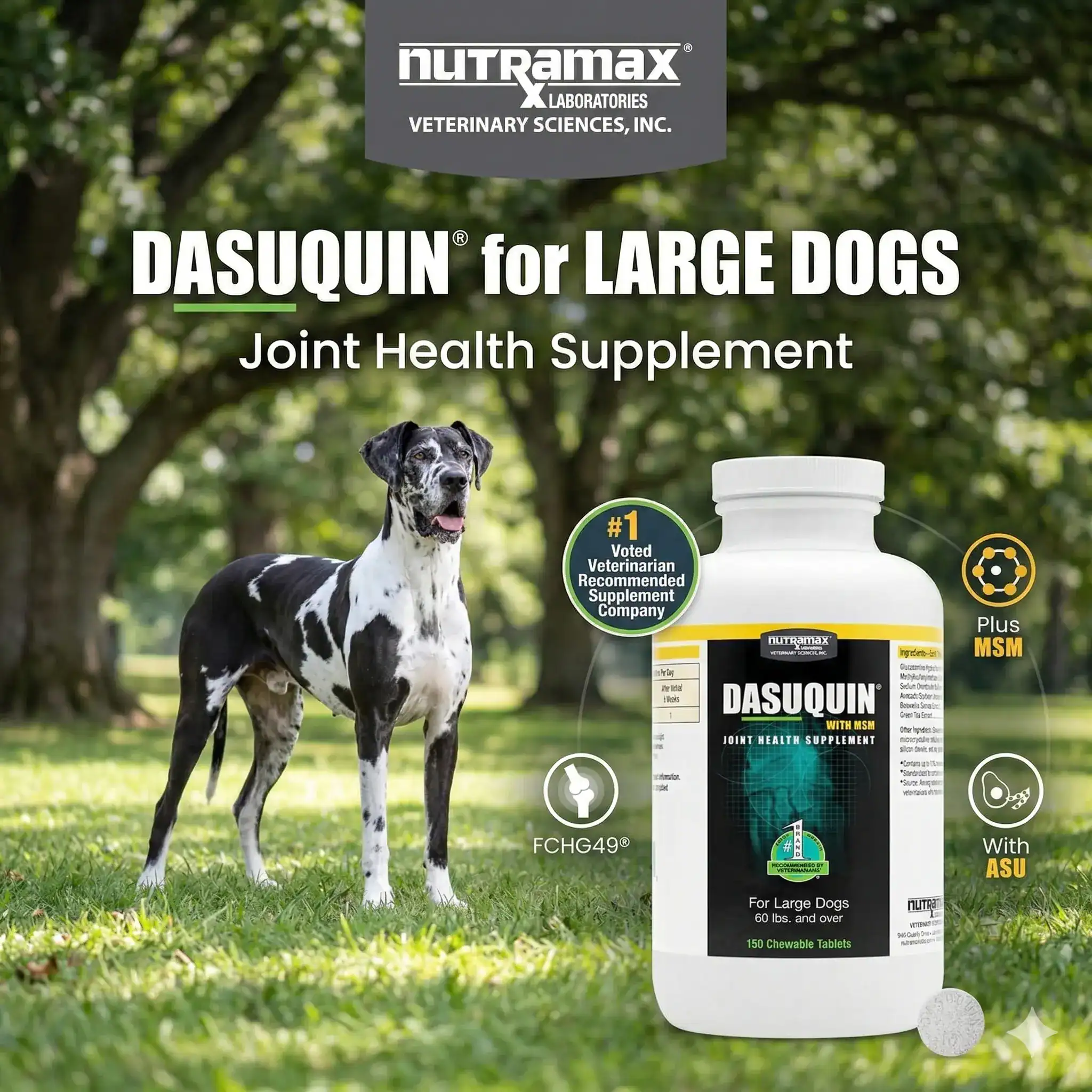
Nutramax Dasuquin with MSM Soft Chews for Dogs
Use for: Both breeds carry hip dysplasia risk and put real load on their joints. Glucosamine, chondroitin, and MSM help support cartilage and cushion joints through years of hard activity.
Check price on Amazon🎯 Verdict: Slight edge to the Cane Corso on pure exercise practicality, since the Pit Bull’s athletic engine demands more daily output. But both need a committed, active owner, and neither tolerates a sedentary household.
Family Fit
Both can be devoted family dogs, but in very different ways. Well-socialized Pit Bulls are widely known for being affectionate and people-oriented companions. When well-bred and properly raised, a Pit Bull is often loving and gentle with its own family, people-focused, and thrives on being included in everything the household does, which can make it a warm family pet in the right home.
The Cane Corso is loyal and loving with its family too, but it is a reserved guardian first. Its protective instinct means it watches over the household rather than clowning around in it, and its sheer size makes supervision around small children essential simply due to accidental knocks.
For both breeds, supervise all interactions with young children and give the dog a quiet retreat. The Pit Bull tends to be the more naturally exuberant family playmate, while the Corso is the steady protector that bonds deeply but carries more physical caution.
🎯 Verdict: For an affectionate, playful family companion, the Pit Bull usually wins on warmth. For a family that specifically wants a protective presence, the Corso fits better. Both need supervision with kids, the Corso for its size and the Pit Bull for its strength and energy.
Dog-Social Tolerance
This is a crucial and often overlooked factor, and it affects both breeds. Adult Pit Bulls may show dog-selective tendencies more often than some companion breeds. This has a genetic component tied to the breed’s history, not simply a failure of socialization, and a dog that was friendly at six months may grow less tolerant of strange dogs by age two.
The Cane Corso is also commonly dog-selective, particularly toward dogs of the same sex, owing to its guardian background. Same-sex aggression and territorial behavior toward unfamiliar dogs are realistic concerns that grow with maturity.
For both, uncontrolled dog parks are a poor idea, and the safer approach is a one-dog or carefully managed multi-dog household. Early socialization helps both stay neutral, but it cannot override genetics in either breed, so dog-directed reactivity is a realistic problem to plan for.
🎯 Verdict: This round is a wash, and not in a comforting way. Both breeds commonly become dog-selective as adults and need active management around other dogs. The right choice depends on the individual dog, not the breed label.
Grooming and Shedding
Grooming is easy for both, with only minor differences. The Cane Corso has a short coat with a light undercoat that thickens seasonally. A weekly brush keeps shedding under control, with a bit more during the spring coat blow, and baths are rare.
The Pit Bull has a short, stiff, single coat and is a moderate, year-round shedder rather than a seasonal blower. Its short hairs weave stubbornly into fabric and carpet, so weekly brushing with a rubber curry mitt helps. Because it lacks a thick undercoat, it needs protection from extreme cold.
Neither breed needs professional grooming or frequent baths, and over-bathing strips the coat’s protective oils in both. On total grooming effort, the two are close, with the Corso shedding more in concentrated seasonal bursts and the Pit Bull shedding steadily all year.

FURminator Undercoat Deshedding Tool for Dogs
Use for: Managing the Cane Corso’s seasonal coat blow and lifting the Pit Bull’s stubborn year-round hair before it weaves into your carpet and furniture.
Check price on Amazon🎯 Verdict: Call it roughly even. Both are low-maintenance, short-coated dogs with no professional grooming needs. The Corso sheds in seasonal bursts and the Pit Bull sheds steadily year-round, so pick your preference, not a winner.
Health and Longevity
This round favors the Pit Bull, largely on lifespan. The American Pit Bull Terrier is generally a healthy breed and typically lives 12 to 14 years, making it the healthier of the two on longevity. The larger Cane Corso averages just 9 to 12 years, and an adult Cane Corso carries the heavy strain that great size places on the body.
The breeds carry different risk profiles. The Cane Corso faces hip dysplasia, bloat (gastric dilatation-volvulus, a deep-chested emergency), idiopathic epilepsy, and eyelid abnormalities such as entropion. Both parents should have OFA or PennHIP clearances.
The Pit Bull shares the hip dysplasia risk and adds cerebellar ataxia (a DNA-testable neurological disorder), hypothyroidism, and a strong tendency toward allergies and atopic dermatitis. Many of its risks are screenable or manageable, but skin issues can mean ongoing care.
🎯 Verdict: The Pit Bull wins on longevity, living several years longer on average, and its serious risks are largely DNA-testable. The Corso’s bloat risk is a genuine emergency concern. Both demand rigorous health screening before purchase.
Cost and Legal Realities
Purchase prices differ noticeably. Well-bred Cane Corso puppies usually run USD 1,500 to 4,000, reflecting the size and guardian breeding of Cane Corsos. A health-tested Pit Bull from a reputable breeder typically costs USD 800 to 2,000, and rescue adoption fees are far lower, often USD 150 to 400.
Ongoing costs favor neither cleanly. The Corso’s size means higher food and large-breed veterinary bills, plus the looming expense of possible bloat surgery. The Pit Bull’s allergy and thyroid risks can mean steady lifetime costs for skin care and medication.
Legal realities are the wild card, and they often hit the Pit Bull harder. Breed-specific legislation, insurance exclusions, and housing restrictions target Pit Bull-type dogs in many areas, though some regions also restrict the Corso. Breed restrictions vary by city, state, province, insurer, and housing provider, so always verify the current rules in your area before committing to either.
🎯 Verdict: There is no clean winner here; it depends on where you live. The Pit Bull is cheaper to buy but faces heavier breed-specific legislation in many places. The Corso costs more upfront and in large-breed care. Check local laws and insurance first.
First-Time Owners
Neither breed is a good first dog, and both fill shelters when owners underestimate them. Cane Corsos and Pit Bulls each demand more than a single breed label can capture, and they fail first-timers in different ways. Being honest about which risk you can manage matters more than the breed name.
The Cane Corso overwhelms novices through sheer size and guardian instinct. A 100-pound territorial dog with poor training is a serious liability, and its protective drive can curdle into reactivity without expert early socialization and firm structure.
The Pit Bull overwhelms novices through drive and dog-selectivity. Its athletic engine, terrier grip, and tendency toward dog-aggression demand active lifelong management, and its strength makes any handling mistake costly. Both reward experience and punish casual ownership.
🎯 Verdict: Honestly, neither is ideal for a true beginner. If forced to choose, a dedicated first-timer may find the Pit Bull’s smaller size more physically manageable, but its dog-selectivity is a real challenge. Both demand a trainer and serious commitment from day one.
Head-to-Head Scorecard
Ratings are from 1 to 5 stars and reflect suitability for a typical active home, not working potential. A high Exercise Demand score is a cost, not a perk, since it means the dog needs a great deal of daily activity.
Cane Corso
American Pit Bull Terrier
Reading the scores: A low Guarding score for the Pit Bull is not a flaw, it reflects that the breed was not bred to guard. Match the scores to what you actually want from a dog.
Common Questions about Cane Corso vs Pit Bull
Is a Cane Corso or Pit Bull better for protection?
Direct Answer: The Cane Corso, clearly. The Pit Bull was not bred for guarding.
Context: The Corso is a natural territorial guardian, while the APBT is bred to be human-friendly and typically greets strangers warmly rather than confronting them.
Management: If you want protection, choose the Corso and invest in professional guardian training. Do not expect guarding instinct from a Pit Bull.
Which breed is bigger?
Direct Answer: The Cane Corso is far larger, roughly double the weight of a Pit Bull.
Context: Male Corsos stand 25 to 27.5 inches and weigh 99 to 110 pounds, while male Pit Bulls stand 18 to 21 inches and weigh 35 to 60 pounds.
Management: Factor the Corso’s size into your space, vehicle, and budget. A larger dog means higher food and large-breed veterinary costs.
Which breed lives longer?
Direct Answer: The Pit Bull, by a clear margin.
Context: Pit Bulls typically live 12 to 14 years, while the larger Cane Corso averages 9 to 12. Greater size generally shortens a dog’s lifespan.
Management: For either breed, keep the dog lean, screen breeding lines, and stay current on veterinary care to reach the top of the range.
Which is more affectionate with family?
Direct Answer: Both are loyal, but the Pit Bull is the more openly affectionate of the two.
Context: The Pit Bull is famously people-obsessed and physically clingy, while the Corso shows love through quiet, watchful protection rather than constant contact.
Management: Give either breed plenty of inclusion in family life. Both bond hard and dislike being isolated in a yard.
Are they good with other dogs?
Direct Answer: Both breeds are commonly dog-selective as adults, so neither is a reliable dog-park dog.
Context: The Pit Bull’s dog-selectivity has a strong genetic component, and the Corso can show same-sex aggression from its guardian background. Both often emerge in adolescence.
Management: Avoid uncontrolled dog parks, manage greetings actively, and accept that a one-dog household may be safest for either breed.
Which breed is more aggressive?
Direct Answer: Neither breed should be assumed to be dangerous solely because of its breed label. Temperament is influenced by genetics, breeding quality, socialization, training, environment, and individual personality.
Context: Both were developed to be safely handled by humans, and a sound temperament is defined by stable, predictable behavior rather than breed reputation. Most reactivity traces to poor breeding, weak socialization, or inconsistent handling. Dog-directed selectivity is a separate, more genetic trait in both.
Management: Choose temperament-tested lines and prioritize early socialization. Never tolerate human-directed aggression in either breed.
How much exercise does each need?
Direct Answer: The Pit Bull needs 60 to 90 minutes of vigorous daily activity; the Corso needs brisk daily walks plus mental work.
Context: The Pit Bull is an elite athlete whose drive a stroll will not satisfy. The Corso needs moderate sustained activity with strong bursts and a job to do.
Management: Plan structured exercise for both. An under-worked dog of either breed becomes destructive, and the Corso does so on a larger scale.
Can either breed live in an apartment?
Direct Answer: The Pit Bull can with intense daily exercise; the Corso is a poor apartment fit.
Context: The Pit Bull is often a quiet couch potato indoors if exercised hard outside. The Corso’s size and guarding instinct make secure-yard living a much better fit.
Management: For an apartment Pit Bull, commit to long daily outings and check breed restrictions. The Corso is better suited to a house with a fenced yard.
Which costs more to own?
Direct Answer: The Cane Corso usually costs more, both to buy and to maintain.
Context: Corso puppies run USD 1,500 to 4,000 versus USD 800 to 2,000 for a Pit Bull, and the Corso’s size raises food and large-breed vet costs. Pricing varies by country, with UK, Canada, and Australia rates differing.
Management: Budget for the Corso’s bloat-surgery risk and the Pit Bull’s potential allergy and thyroid care. Avoid bargain puppies from either breed.
Are these breeds legal to own?
Direct Answer: Both can face restrictions, but Pit Bull-type dogs are targeted by breed-specific legislation far more often.
Context: Many cities, insurers, and landlords restrict or ban Pit Bull-type dogs, and some areas also restrict the Corso. Rules vary widely by location.
Management: Research local breed-specific legislation, housing rules, and insurance before committing to either breed, especially the Pit Bull.
Which is better for a first-time owner?
Direct Answer: Neither is ideal, though a dedicated beginner may find the Pit Bull’s smaller size more manageable.
Context: The Corso overwhelms novices with size and guarding instinct, while the Pit Bull challenges them with drive and dog-selectivity. Both are powerful breeds.
Management: If you are new to powerful dogs, work with a professional trainer from day one, or build experience with an easier breed first.
What is the difference between a Pit Bull and a Cane Corso?
Direct Answer: They are entirely different breeds: a small American terrier athlete versus a large Italian mastiff guardian.
Context: The Pit Bull is a 30 to 60-pound people-oriented terrier bred for farm work, while the Corso is a 100-pound territorial mastiff bred to guard. They share only a tough reputation, not a purpose.
Management: Decide what role you want filled. The two are not interchangeable, and choosing by looks alone leads to a serious mismatch.
Final Verdict
There is no universal winner in the Cane Corso or Pitbull debate, because these two breeds were built for completely different jobs. Understanding the Pitbull as an affectionate athlete, rather than the guardian many people assume, is the key insight. Pitbulls and Cane Corsos share little beyond strength and an unfair public reputation, and the right one depends entirely on what you want from a dog.
Choose the Cane Corso if you want a genuine guardian, a large, reserved, territorial protector that watches over home and family. It needs an experienced owner, secure space, and firm structure, and it rewards that with quiet, devoted protection.
Choose the American Pit Bull Terrier if you want an affectionate, high-energy companion rather than a guard dog. It needs serious daily exercise, careful management around other dogs, and an owner ready to face breed stigma, but it is known for being exceptionally affectionate.
The honest throughline is this. Both demand committed, educated owners, both fill shelters when people choose them for the wrong reasons, and both become extraordinary companions in the right hands. Match the dog to your real life and the role you actually need filled, not to a reputation.
🏆 Bottom line: The Cane Corso is the guardian; the Pit Bull is the affectionate athlete. They are not interchangeable. Pick the one whose true purpose matches your home, experience, and the role you want a dog to play.
Personal Observation
💭 From my own experience
Living with my rescues taught me that strength and energy scale fast, and that lesson sits at the heart of this comparison. Rambo, one of my high-energy rescues, made it obvious that a strong dog without a daily outlet finds its own outlet, usually the wrong one.
What strikes me about these two breeds is how different the work is. A guardian breed asks you to manage its protectiveness and space, while a high-drive athlete asks you to drain its engine every single day. Both are big commitments, just pointed in opposite directions.
The owners I have seen struggle never had a bad dog. They had a powerful dog and a plan that did not match it. Whichever of these two you choose, the honest question is not which is better, but which kind of work fits the life you actually live.
Health Information Sources. Data compiled from the following references.
- American Kennel Club Cane Corso breed reference
- United Kennel Club American Pit Bull Terrier standard
- Orthopedic Foundation for Animals joint, cardiac, and thyroid screening protocols
For the full single-breed guides, see our Cane Corso breed guide and our American Pit Bull Terrier breed guide. Both breeds carry joint risks, so it is worth reading our guide to hip and joint supplements for dogs.
Veterinary Disclaimer: The information in this article is for educational purposes only and is not a substitute for professional veterinary advice, diagnosis, or treatment. K9Sphere’s authors are experienced dog owners, not licensed veterinarians. Always consult a qualified DVM regarding any health concerns about your pet.
Always consult your licensed DVM for personalized medical advice.
Editorial Disclaimer: This article is for informational and educational purposes only. It does not constitute veterinary advice, medical diagnosis, or treatment recommendations. Always consult a licensed veterinarian before making health-related decisions for your pet.
Accuracy Notice: While every effort has been made to ensure the information presented here is accurate and current, breed information evolves and individual dogs vary. If you spot a factual error or have updated information from a verified source, please contact us so we can review and update.
Product Disclosure: Product recommendations are based on independent research and editorial judgment. Individual results may vary. K9Sphere participates in the Amazon Services LLC Associates Program and other affiliate programs, and earns from qualifying purchases at no additional cost to you.
Last reviewed: June 2026. Article reviewed for accuracy on the date shown above.


