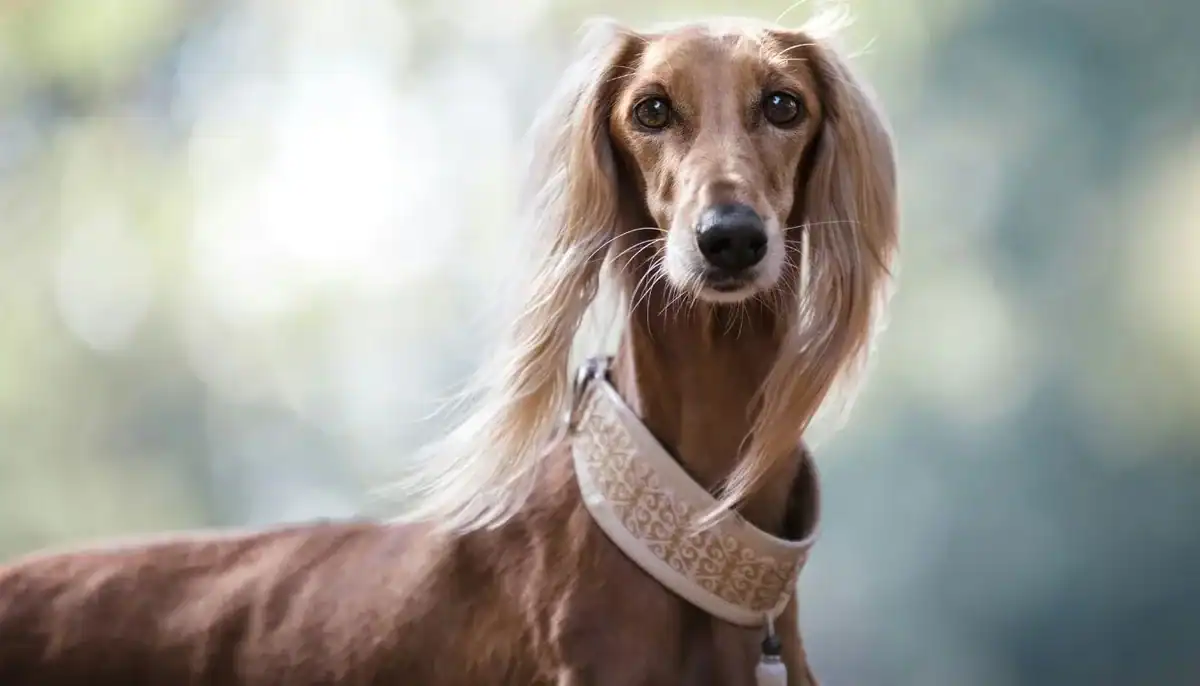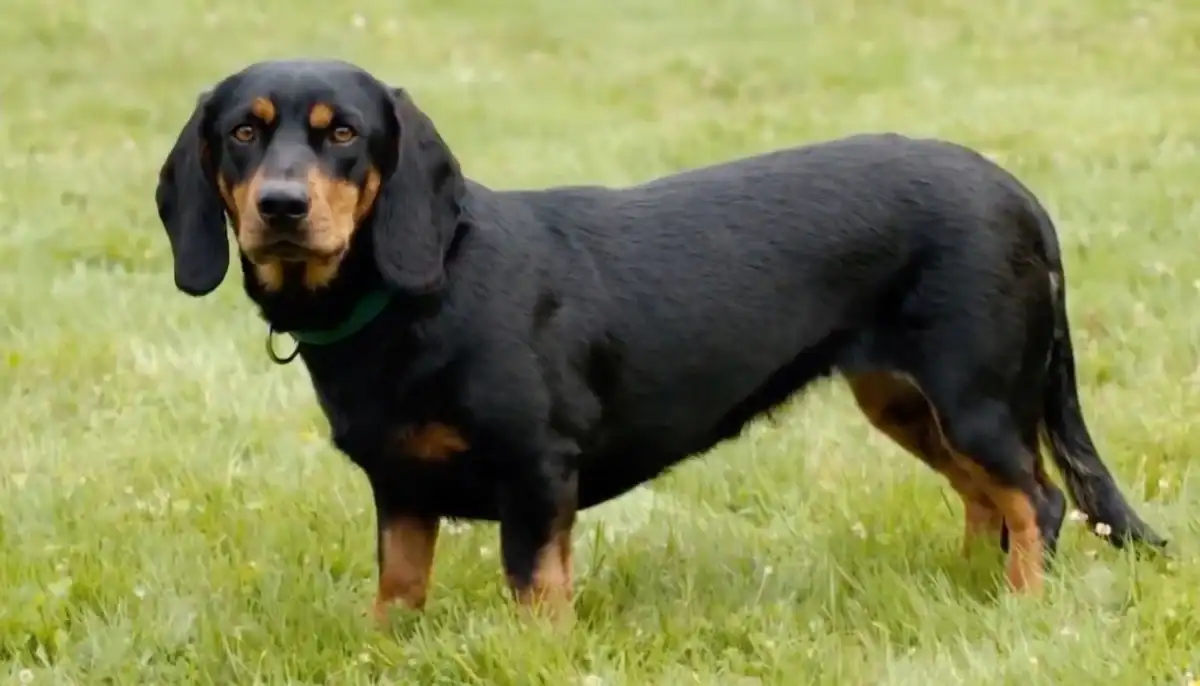
The Alpine Dachsbracke is a small breed of dog developed in the rugged mountains of Austria. This robust working dog was originally bred to track a wounded deer or a fast-moving hare across steep terrain.
What makes this scent hound compelling is the combination of short legs and an incredibly dense coat, creating a fearless hunter with remarkable stamina. Properly socialized Alpine Dachsbrackes become devoted companions capable of intense focus in the field and calm affection at home.
This guide draws its dog breed information from the Austrian Kennel Club, FCI breed-standard references, and international registries to present an accurate picture of what ownership actually involves.
Daily commitments include rigorous exercise, structured scent work, and firm boundaries to manage a strong prey drive. Households that provide this level of activity are rewarded with a highly capable hound that adapts well to active routines.
Households expecting a low-energy pet should review the demands honestly before deciding. The breed rewards owners who match its needs and challenges those who expect a sedentary lap dog.
Affiliate Disclosure: K9Sphere participates in the Amazon Services LLC Associates Program and other affiliate programs. K9Sphere earns from qualifying purchases made through links in this article at no additional cost to you. Product recommendations are based on independent research and editorial judgment, not paid placement.
Breed Snapshot
📊 Vitals and Lifespan
Height
13 to 16 in (34 to 42 cm)
Weight
33 to 40 lb (15 to 18 kg)
Lifespan
12 to 15 years
Breed Group
Hound Group
Origin
Austria
🇦🇹
⭐ Personality Traits
Ratings (1 to 5). This robust tracking hound requires significant daily exercise and mental stimulation to thrive.
History and Origin
The history of the Alpine Dachsbracke connects deeply to the Alpine regions of central Europe. Local hunters needed a resilient tracking hound that could withstand harsh weather while following a cold trail.
📌 Alpine Working Origins
The breed developed in the mountainous regions of Austria as a specialist tracker. Hunters needed a dog low enough to work a scent line closely, yet heavy-boned enough to push through snow and dense cover on steep ground.
📌 1880s: Royal Recognition
History records that Crown Prince Rudolf of Habsburg took these tracking dogs on his hunting trips to Egypt and Turkey. This elevated the profile of the Alpine Dachsbracke dog breed significantly among European nobility who appreciated a durable hunting dog.
📌 1932: Official Status
Austria’s top canine organisations recognised the Alpine Dachsbracke breed as the third Scenthound, registering it as the “Alpine-Erzgebirgs-Dachsbracke” after the Erzgebirge region where much of the early breeding was concentrated. The name was altered to “Alpenländische Dachsbracke” in 1975, when the FCI declared Austria the country of origin. In 1991 it was placed in Group 6, Section 2, the Leash Hounds or Schweißhunde, alongside the Bavarian Mountain Scenthound and the Hanoverian Scenthound. That section carries a working trial requirement.
Physical Characteristics
A mature Alpine Dachsbracke dog is built for endurance rather than sprinting speed. Every structural feature supports a long day in the field.
🎨 The Dense Coat
The standard defines a thick topcoat over a weather-resistant undercoat. The ideal coat color is dark deer red, which may be interspersed with black hairs. Some dogs are black with distinct red-brown markings on the head, chest, legs and underside of the tail. In Austrian hunting tradition the pair of sharply defined tan spots above the eyes is called the Vieräugl, literally “four eyes.” A white star on the chest is permitted by the standard.
🏗️ The Sturdy Build
The FCI standard regulates height at the withers rather than weight, allowing 34 to 42 cm with an ideal of 37 to 38 cm for males and 36 to 37 cm for females. Published weights of 15 to 18 kg describe a dog in working condition rather than a fixed standard requirement. They possess a long body with short, strong legs. This short-legged structure keeps their nose close to the ground while allowing them to navigate dense underbrush efficiently without fatiguing early.
Character and Temperament
The personality of this hound balances intense field focus with loyalty to its handler. They are serious workers outdoors and relaxed companions indoors.
🛡️ Fearless Scent Drive
They possess an exceptional sense of smell and a relentless drive to track game. They do not back down easily when encountering a wild boar or stag, making them invaluable for tracking wounded animals.
🐕 Family Bonds
They form deep bonds and make an excellent companion for an active household. They are generally good with an older child who respects their space, but their pursuit instinct means smaller pets require careful supervision.
🧠 Working Intelligence
To fully understand the Alpine Dachsbracke’s requirements, an owner must appreciate their independent nature. They use their loud voice to signal a find, a trait shared with hound breeds like the Beagle or the Bloodhound. Among the Schweißhund breeds it is the only one that hunts fährtenlaut, giving tongue while working the trail rather than tracking silently on the leash.
🏕 Off-Duty Calm
Once their exercise needs are met, they settle readily in the home. The switch between driven tracker and quiet housemate is sharp, but it depends entirely on the work coming first.
Screening and Conditions
Veterinary Disclaimer: The information in this article is for educational purposes only and is not a substitute for professional veterinary advice, diagnosis, or treatment. K9Sphere’s authors are experienced dog owners, not licensed veterinarians. Always consult a qualified DVM regarding any health concerns about your pet. Never disregard professional veterinary advice or delay seeking it because of something you have read on this site.
Health Information Sources: Data compiled from:
- Fédération Cynologique Internationale (FCI)
- UC Davis Veterinary Genetics Laboratory: chondrodystrophy (CDDY) and chondrodysplasia (CDPA) DNA testing
- Orthopedic Foundation for Animals (OFA)
Always consult your licensed DVM for personalized medical advice.
Regular health checks ensure this active breed stays fit for the field. They are generally resilient, but their physical structure presents specific vulnerabilities that require daily management.
Common Health Risks
🔴 Intervertebral Disc Disease (IVDD) and CDDY
What to watch for: Reluctance to jump, back pain, a wobbly gait, or sudden rear-leg weakness. Short-legged breeds carry a genetic variant called CDDY, which causes discs to degenerate early and leaves them prone to back injury and disc herniation.
Screening: The Alpine Dachsbracke is listed by the UC Davis Veterinary Genetics Laboratory (linked in the sources above) among breeds appropriate for CDDY and CDPA DNA testing, and results can be submitted to the OFA. Ask a breeder whether breeding stock has been tested. Alongside that, keep the dog lean and use ramps rather than letting it jump from height.
🔴 Neuronal Ceroid Lipofuscinosis 8 (NCL8)
What to watch for: Disorientation, anxiety or character change, loss of coordination, and sudden vision loss in a young dog. Signs typically appear before two years of age. This is a progressive neurodegenerative disease and there is no cure.
Screening: Researchers identified the cause as a complete deletion of the CLN8 gene in this breed, described in Hirz and colleagues (2017). It is autosomal recessive, so a DNA test identifies clear, carrier and affected dogs. Ask whether both parents were tested clear.
🔴 Spinocerebellar Ataxia (ATX)
What to watch for: Early-onset wobbliness, tremor, and loss of balance in puppies and young dogs.
Screening: A missense variant in the SCN8A gene was identified in affected Alpine Dachsbracke dogs and confirmed by genotyping more than 200 dogs of the breed. A DNA test is available, and responsible breeders screen for it alongside NCL8.
🟡 Hip Dysplasia
What to watch for: Limping or a bunny-hopping gait during exercise. Published health data for this rare breed are limited, so hip dysplasia is best treated as a general working-dog concern rather than a documented breed-specific risk.
Screening: Ask any breeder which joint evaluations they perform and request the documentation rather than assuming a standard panel exists.
🟡 Ear Infections
What to watch for: Head shaking or odor from the ear canal. The drop ears trap moisture easily, creating an environment for yeast and bacteria.
Screening: Clean the ears weekly with a vet-approved solution, especially after damp hunting trips.
Grooming and Coat Care
Grooming is straightforward but requires consistency. The dense coat requires a thorough brush once a week with an appropriate grooming brush to remove dead hair and manage the moderate shed. During seasonal changes, increase brushing to clear out the loosening undercoat.
Ensure nails are trimmed short to prevent gait issues that place extra stress on their long spine. Bathe them only when they get exceptionally muddy on a trail, as frequent washing strips the coat of its natural weather resistance.

Oxyfresh Premium Pet Dental Care Water Additive
Use for: Daily dental maintenance for working dogs that resist manual brushing. It is added to the water bowl as a supplement to, not a replacement for, tooth brushing and professional veterinary dental care.
Check price on AmazonExercise and Living Needs
Do not let their small size fool you. They need much more activity than a typical small companion dog. Plan for at least an hour of rigorous daily exercise. They are built for stamina, making them excellent hiking partners.
Incorporate scent games to tire their minds. A bored hound will quickly develop destructive habits. A secure yard is highly recommended, as they will follow their nose without regard for traffic or boundaries.
Nutrition & Diet
You must feed them high-quality dog food to manage their weight effectively. An overweight dog faces severe spinal stress, which often triggers mobility loss.
Measure all dog food portions strictly rather than leaving food out all day. Adjust their intake based on their activity level, since a resting pet burns far fewer calories than a dog tracking in the field. Many owners of long-backed working breeds also add a daily hip and joint supplement after discussing dosage with their veterinarian.
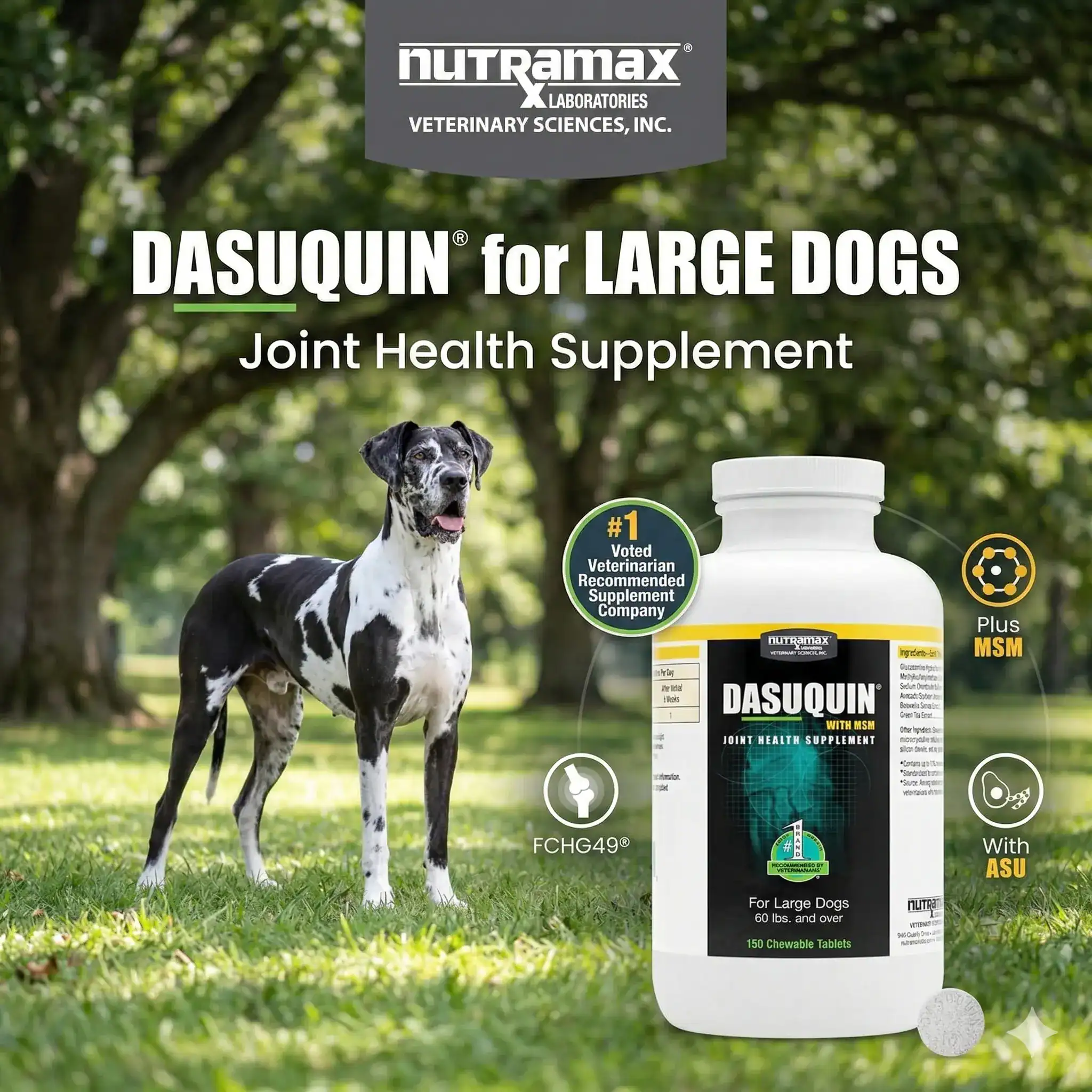
Nutramax Dasuquin with MSM Soft Chews
Use for: A commonly used joint supplement for long-backed working dogs. Supplements do not replace weight management, appropriate exercise, or veterinary diagnosis of lameness, so discuss use and dosage with your vet.
Check price on AmazonTraining
You must train these hounds with consistent positive reinforcement. They are independent thinkers bred to work at a distance from the hunter, which translates to a stubborn streak in basic obedience.
Track training satisfies their natural instincts and builds a stronger handler bond. Early recall training is vital, though no scent hound should be trusted off-leash in an unsecured area once they lock onto a scent.
Alpine Dachsbracke vs Dachshund vs Basset Hound vs Bavarian Mountain Hound
Prospective owners comparing hound breeds often look at the Alpine Dachsbracke alongside the Dachshund, the Basset Hound, and the Bavarian Mountain Hound to find the best working fit.
| Attribute | Alpine Dachsbracke | Dachshund | Basset Hound | Bavarian Mountain Hound |
|---|---|---|---|---|
| Weight | 33 to 40 lb | 16 to 32 lb | 40 to 65 lb | 37 to 66 lb |
| FCI Classification | Group 6, Section 2 (Leash Hounds) | Group 4 (Dachshunds) | Group 6, Section 1 (Scenthounds) | Group 6, Section 2 (Leash Hounds) |
| Original Purpose | Tracking wounded game | Badger hunting | Rabbit and hare trailing | Cold scent tracking |
| Energy Type | Sustained athletic | Moderate bursts | Steady worker | High endurance |
| Trainability | Willful | Independent | Stubborn | Handler-focused |
| Grooming | Weekly brush | Varies by coat | Weekly brush | Minimal brush |
| Threat Response | Alert bark | Vocal alert | Baying | Reserved alert |
| First-Time Owner? | With dedication | Yes | With dedication | No, capable handlers |
| Common Health Risks | IVDD, hip dysplasia, obesity | IVDD, obesity, dental disease | Hip dysplasia, ear infections, bloat | Hip dysplasia, ear infections |
| Living Space | House with yard | Flexible with exercise | House with yard | House with secure yard |
The Alpine Dachsbracke dog breed shares ancestry with the Bavarian Mountain Hound but carries a heavier, short-legged frame. If you want a small-to-medium tracking dog with immense stamina, the Dachsbracke is ideal. The Dachshund and Basset Hound are more widely available, but both are also scent-driven and vocal, so neither is automatically the easier choice.
If it is the tracking work rather than the short-legged build that appeals to you, the Sabueso Español and the Plott Hound are longer-legged specialists bred for the same job. The American English Coonhound is another trailing hound that gives tongue on the line.
Common Questions about the Alpine Dachsbracke
How much does an Alpine Dachsbracke cost?
Direct Answer: As an approximate, time-sensitive guide (as of 2026), expect roughly USD 1,000 to 2,000 for a well-bred puppy.
Context: Prices vary by breeder, location, pedigree, and availability. Because they are rare outside Europe, importing a dog adds significant transportation and quarantine fees.
Management: Budget for high-quality food, secure fencing, and potential veterinary costs linked to spinal health as the dog ages.
Is the Alpine Dachsbracke a rare dog breed?
Direct Answer: Yes, they are considered a rare sight outside of Austria and Germany.
Context: They remain primarily a working dog for dedicated hunters in the Alpine regions rather than a widespread companion pet, which places them among the genuinely rare dog breeds outside their homeland.
Management: Expect a long waiting list if you seek a breeder in North America or the UK.
Are Alpine Dachsbrackes good family dogs?
Direct Answer: They make excellent pets for highly active families who understand hound behavior.
Context: They form strong attachments and enjoy family interaction, but they require daily physical exertion to stay settled indoors.
Management: Ensure children understand how to interact respectfully, especially avoiding pressure on the dog’s long back.
What is the lifespan of this breed?
Direct Answer: They generally live for 12 to 15 years with proper care.
Context: They are robust workers. The primary factor influencing lifespan is maintaining a lean body weight to protect their joints and spine.
Management: Schedule annual veterinary check-ups and monitor their food intake strictly.
How big does an Alpine Dachsbracke puppy get?
Direct Answer: Adults typically reach 33 to 40 pounds and stand 13 to 16 inches tall.
Context: They are heavy-boned and muscular. A Dachsbracke puppy grows into a remarkably solid dog despite its short stature.
Management: Handle puppies carefully to support their developing spine, avoiding steep stairs during their first year.
Are Alpine Dachsbrackes good for first-time owners?
Direct Answer: Generally no, unless the owner is committed to daily exercise and hound-specific training.
Context: Their independent tracking instinct and loud voice make ordinary training mistakes costly compared with a biddable companion breed.
Management: If you are set on the breed, line up scent-work classes and an experienced trainer before the puppy arrives.
Do they shed a lot?
Direct Answer: They shed moderately year-round and drop their coat heavily twice a year.
Context: The dense undercoat protects them from the elements but requires consistent maintenance to keep hair off your furniture.
Management: Use a slicker brush weekly, increasing frequency during seasonal shedding periods.
Are they easy to train?
Direct Answer: They are intelligent but willful, which makes training difficult for a novice.
Context: They are bred to problem-solve independently on a trail. This translates to stubbornness when asked to perform repetitive obedience tasks.
Management: Use short, engaging training sessions with high-value rewards, and focus heavily on recall.
What do the markings on the head look like?
Direct Answer: Black dogs typically feature distinct red-brown markings above the eyes, on the muzzle, and on the legs.
Context: These points give the breed a classic hound expression. Each marking is distinct against the darker coat.
Management: No special care is needed for the coat pattern, but regular brushing keeps the colors looking rich and healthy.
Are they loud dogs?
Direct Answer: Yes, they have a strong hound voice used to alert hunters in the field.
Context: They are prone to baying when they catch an interesting scent or when they feel isolated.
Management: Teach a quiet command early, and ensure they receive enough exercise to prevent boredom-induced barking.
Can they live in an apartment?
Direct Answer: It is difficult unless the owner provides extensive outdoor exercise daily.
Context: Their vocal nature and high energy levels make confined living spaces challenging without a dedicated routine.
Management: If living in an apartment, commit to long daily hikes and regular visits to secure running areas.
What is the difference between a Westphalian Dachsbracke and an Alpine Dachsbracke?
Direct Answer: They are two separate breeds from different countries, despite the shared “Dachsbracke” name.
Context: The Alpine Dachsbracke is Austrian and carries FCI standard number 254. The Westphalian Dachsbracke is German, holds FCI number 100, and is the breed behind the Swedish Drever. The word Dachsbracke describes a short-legged hound type rather than one breed.
Management: Check the FCI standard number when researching breeders, since the names are easy to confuse in listings.
Finding a Puppy
Look for a reputable breeder who prioritizes working ability and health testing. Finding Alpine Dachsbracke puppies outside of central Europe takes significant time and patience. Be aware that the Austrian and German breed clubs place puppies almost exclusively with working hunters, so that the dogs get the fieldwork their instincts demand. A pet home with no route to tracking work will struggle to be approved by a club-affiliated breeder.
🏠 Reputable Breeders
A responsible breeder screens breeding stock with the DNA tests that exist for this breed, notably NCL8 and spinocerebellar ataxia, and will interview you extensively to confirm you understand hound behavior. Expect a waiting list, and be prepared to coordinate with European kennels.
🐾 Rescue and Adoption
Breed rescue networks that specialize in working hounds occasionally place adults. Adopting an adult lets you assess the dog’s true drive level and temperament rather than guessing from a puppy.
🚩 Red Flags to Watch For
- Breeders offering puppies without joint or spinal clearances for the parents.
- Anyone marketing the breed as a low-energy apartment companion.
- Parents demonstrating extreme fear or aggression.
- Refusal to allow you to inspect the whelping environment.
Personal Observation
💭 Personal Observation
Among my rescued street dogs, Chun Chun is the voice. She hears something two houses away and announces it until I acknowledge her, and a working hound does the same thing on a trail, except it is telling a hunter where the scent leads.
Moti gives me the other half. He patrols slowly and deliberately, nose down, following whatever line interests him, and he does not hurry for anyone. An Alpine Dachsbracke runs that same pattern with far more drive and a far better nose behind it.
The lesson is simple. A dog built for a specific job does not switch that drive off indoors. Give a tracking hound real work and it settles. Expect it to ignore its own nose and you will both be frustrated.
Conclusion
The Alpine Dachsbracke is a phenomenal tracking hound that offers experienced handlers a durable, focused partner. They bring exceptional stamina and a brilliant nose to the field while remaining devoted family members at home.
The trade-off is their high demand for exercise and structured scent work. Owners who provide vigorous daily activity will unlock a fantastic partnership. Those looking for a casual walking companion will find the breed overwhelming.
📋 Before bringing one home, run this 4-step pre-buying check
- Exercise commitment. Can you provide at least an hour of rigorous tracking or hiking every day?
- Health budget. Are you prepared to manage their weight strictly to protect their long spine?
- Vocal tolerance. Can your living situation handle the loud, carrying voice of a working hound?
- Secure containment. Do you have a heavily fenced yard to prevent a scent-driven escape?
If any answer is no, reconsider the breed.
Editorial Disclaimer: This article is for informational and educational purposes only. It does not constitute veterinary advice, medical diagnosis, or treatment recommendations. Always consult a licensed veterinarian before making health-related decisions for your pet.
Accuracy Notice: While every effort has been made to ensure the information presented here is accurate and current, breed information evolves and individual dogs vary. If you spot a factual error or have updated information from a verified source, please contact us so we can review and update.
Product Disclosure: Product recommendations are based on independent research and editorial judgment. Individual results may vary. K9Sphere participates in the Amazon Services LLC Associates Program and other affiliate programs, and earns from qualifying purchases at no additional cost to you.
Last reviewed: September 2026. Article reviewed for accuracy on the date shown above.