

The Smooth Fox Terrier is a lively British working breed developed in the 18th century to flush foxes from their dens during traditional estate hunts. This dog packs immense athleticism and determination into a highly compact frame.
What makes this energetic canine stand out is its combination of a sleek v-shaped head, a short dense coat, and an absolute fearlessness in the field. They process their surroundings with sharp intelligence and react instantly to movement. These traits make them excellent candidates for agility courses and earthdog trials.
This guide draws on breed standards from the American Kennel Club, health protocols from the American Fox Terrier Club, and veterinary data to explain what ownership involves.
Daily commitments include rigorous exercise, structured obedience routines, and safe outlets for their high prey drive. The breed rewards active owners with an endlessly entertaining and deeply loyal companion that loves to be included in household activities.
Households without secure fencing or the time to engage a highly active dog should review the demands honestly before deciding. A dog bred to chase fast prey requires a handler ready to provide consistent daily structure and supervision.
Affiliate Disclosure: K9Sphere is a participant in the Amazon Services LLC Associates Program. As an Amazon Associate, K9Sphere earns from qualifying purchases made through links in this article at no additional cost to you. Product recommendations are based on independent research and editorial judgment, not paid placement.
Breed Snapshot
📊 Vitals and Lifespan
Height
Up to 15.5 in (39 cm)
Weight
15 to 18 lb (7 to 8 kg)
Lifespan
12 to 15 years
Breed Group
Terrier Group
Origin
England
🏴
⭐ Personality Traits
Ratings (1 to 5). This energetic hunting breed balances deep affection for its family with an intense drive to chase moving targets.
History and Origin
The Smooth Fox Terrier originated in England during the late 18th century. Estate owners needed a compact, fearless dog to accompany hounds on traditional fox hunts. While the larger hounds tracked the scent over open ground, the terriers had a very specific job to finish the hunt.
📌 The Earthdog Role
Hunters carried these small dogs in saddlebags. When a fox retreated into its underground den, the hunter released the terrier. The dog would burrow into the earth, barking aggressively to force the fox back out into the open so the hounds could resume the chase.
📌 1885: American Kennel Club Recognition
The breed gained immense popularity in both England and America. The American Kennel Club formally recognized the Fox Terrier in 1885. For decades, the Smooth and Wire Fox Terriers were considered varieties of the same breed before being separated into distinct registries.
📌 Modern Transition
As traditional fox hunting declined, the breed transitioned into a highly successful show dog and active companion. Their intelligence and agility make them frequent competitors in modern dog sports.
Physical Characteristics
The breed standard describes an animal standing squarely and possessing a short back. They convey an impression of speed and endurance packed into a lightweight frame.
🎨 The White Coat
They feature a flat, hard, and dense coat. White must be the predominant color to ensure hunters could distinguish the dog from the fox during a chaotic chase. Black and tan markings often appear on the head and base of the tail. They shed moderately throughout the year.
🏗️ Agile Frame
The head is distinctly v-shaped with dark, intelligent eyes. Their jaws are remarkably strong for their size, a necessity for pulling prey from a burrow. The front legs drop straight down from the shoulders, allowing them to dig efficiently.
Character and Temperament
This dog views the world as a series of exciting events to investigate. They operate with endless curiosity and confidence.
🛡️ Alert Watchdog
They are excellent watchdogs. A Smooth Fox Terrier will loudly announce any stranger approaching the house. While they alert you to unusual activity, they are generally friendly once properly introduced to a guest.
🔥 Intense Prey Drive
The instinct to chase moving objects remains fully intact. They will bolt after squirrels, rabbits, and neighborhood cats. This drive makes off-leash walking in unenclosed areas highly dangerous.
💪 Independent Thinker
They are smart but possess a stubborn streak. They evaluate situations independently and may ignore a command if they find something more interesting to focus on, particularly a scent trail.
🧠 Playful Spirit
They are highly affectionate with their family. They maintain a puppy-like playfulness well into their senior years. They thrive when included in active family outings and games.
Screening and Conditions
Veterinary Disclaimer: The information in this article is for educational purposes only and is not a substitute for professional veterinary advice, diagnosis, or treatment. K9Sphere’s authors are experienced dog owners, not licensed veterinarians. Always consult a qualified DVM regarding any health concerns about your pet. Never disregard professional veterinary advice or delay seeking it because of something you have read on this site.
Health Information Sources: Data compiled from:
- American Kennel Club: Breed health references
- American Fox Terrier Club: Parent club medical guidance
- Orthopedic Foundation for Animals (OFA): Joint, cardiac, and eye screening protocols
Always consult your licensed DVM for personalized medical advice.
The breed is generally robust and enjoys a long lifespan. However, their active nature and specific genetics create vulnerabilities that responsible breeders screen against heavily.
Common Health Risks
🔴 Primary Lens Luxation (PLL)
What to watch for: Squinting, redness, or excessive tearing in the eye. This painful genetic condition causes the lens of the eye to detach and float freely, leading to glaucoma and potential blindness.
Screening: A reliable DNA test identifies the PLL mutation. Reputable breeders test their stock to ensure they do not produce affected litters.
🔴 Spinocerebellar Ataxia (SCA)
What to watch for: Loss of coordination, a prancing gait, and muscle twitching, with signs appearing early between 2 and 6 months of age. It is a serious, progressive neurological disease.
Screening: A DNA test for the KCNJ10 mutation reliably identifies carriers. Responsible breeders test both parents, since two carriers can produce affected puppies.
🟡 Patellar Luxation
What to watch for: A sudden skip in the dog’s step or holding a hind leg up temporarily while running. The kneecap slips out of its groove, causing discomfort and eventual arthritis.
Screening: Routine veterinary exams detect loose knees early. Keeping the dog lean reduces the daily strain placed on the joint.
🟡 Cardiac Disease
What to watch for: Coughing, lethargy, or tiring quickly during exercise. Certain heart defects appear in the breed occasionally.
Screening: Annual veterinary auscultation helps catch murmurs or arrhythmias early so a management plan can be established.
🟡 Congenital Deafness and BAER Testing
What to watch for: Failure to respond to sounds or verbal cues. The breed standard calls for a predominantly white coat, which carries an elevated risk of inherited sensorineural deafness.
Screening: A BAER (Brainstem Auditory Evoked Response) test, done from about five weeks of age, is the reliable check. Responsible breeders BAER test puppies before placement.
🟡 Dental Disease
What to watch for: Bad breath, red gums, or reluctance to chew hard toys. Small breeds frequently suffer from rapid tartar buildup that leads to tooth loss and systemic infections.
Veterinary Care: Schedule professional dental cleanings as recommended by your vet and establish a home brushing routine.
Grooming and Coat Care
Maintaining the flat coat is a straightforward process. A thorough brushing once a week using a soft-bristle brush or a rubber grooming mitt removes dead hair and stimulates the skin. They shed moderately year-round, so consistent brushing minimizes the white hair left on your furniture.
You only need to bathe them when they roll in something unpleasant while exploring outdoors. Because they love to dig, keep a towel near the door to wipe their paws after a yard patrol.
Trim their nails every three to four weeks to prevent gait issues. Check their ears weekly for dirt accumulation to prevent bacterial infections.

Oxyfresh Premium Pet Dental Care Water Additive
Use for: Supporting daily dental hygiene in a small breed prone to plaque. It is added to the water bowl, which suits terriers that resist tooth brushing.
Check price on AmazonExercise and Living Needs
A Smooth Fox Terrier requires 45 to 60 minutes of vigorous daily exercise. A slow walk on a short leash will not satisfy their energy requirements. They need activities that engage their mind and body simultaneously, such as fetching, agility courses, or brisk jogging.
They can adapt to apartment living if their exercise needs are met diligently outdoors, but they prefer a home with a securely fenced yard. They are notorious diggers and skilled escape artists. Verify that your fence extends underground or has a solid base to prevent tunneling.
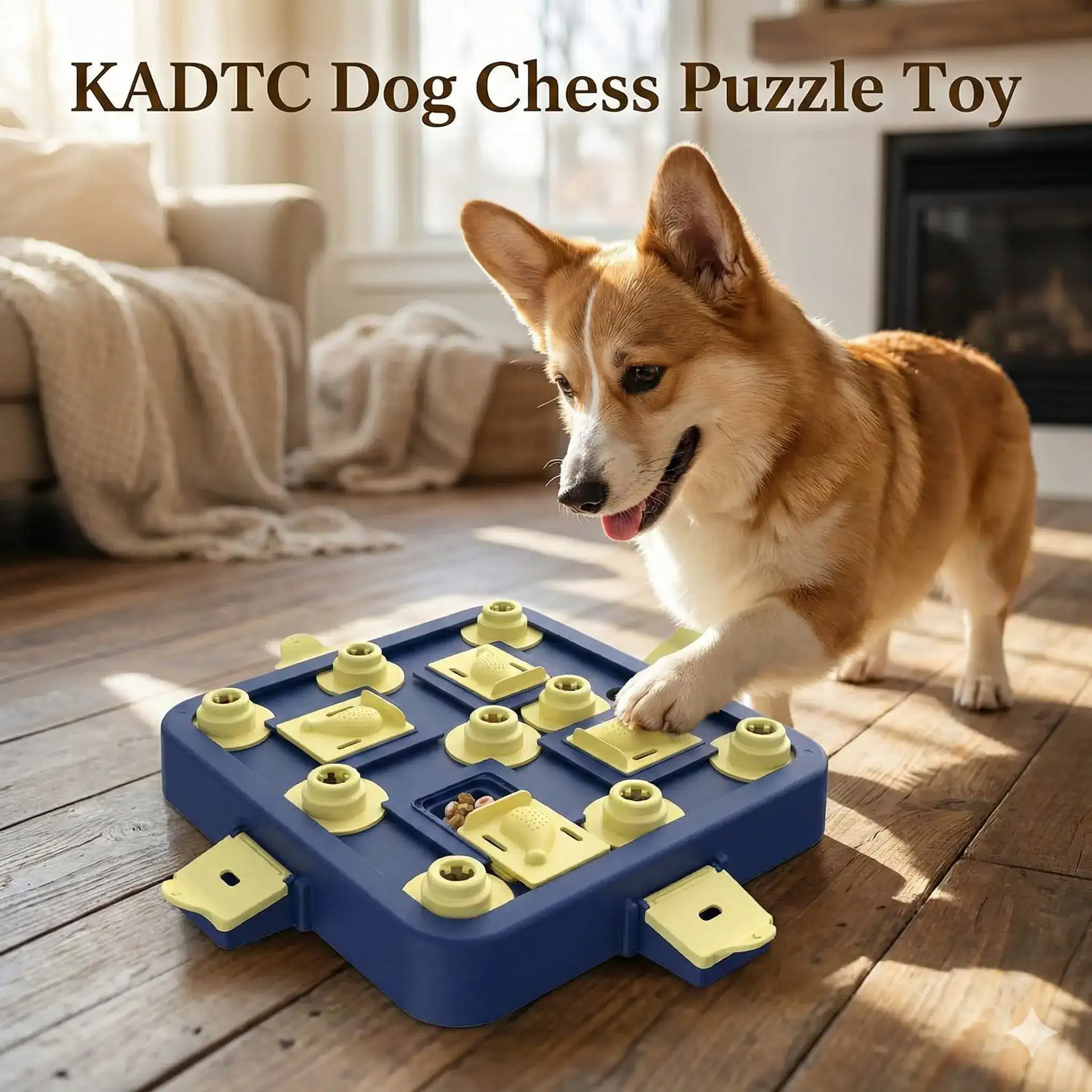
KADTC Dog Chess Puzzle Toy
Use for: Giving a busy earthdog a job indoors. Rotating puzzle games absorb the problem-solving drive that otherwise becomes digging and barking.
Check price on AmazonNutrition & Diet
Feed a high-quality dog food formulated for small, active breeds. An energetic hunter burns calories quickly and benefits from a diet rich in lean protein to support their muscle tone.
Despite their activity level, monitor their body condition carefully to prevent obesity, which places terrible stress on their knees. You should be able to feel their ribs without pressing hard. Limit high-calorie training treats.
Training
Training this breed requires endless patience and creativity. They learn commands rapidly but grow bored easily with repetitive drills. They will simply ignore you if the training session lacks excitement.
Extensive early socialization is critical to prevent their natural alertness from becoming fear-based reactivity. Expose the puppy to varied environments, people, and other dogs consistently.
Because their prey drive is hardwired, teaching a reliable recall command is a significant challenge. Most experts advise never trusting them off-leash in an unfenced area, as they will pursue a squirrel straight into traffic.
Smooth Fox Terrier vs Teddy Roosevelt Terrier vs Patterdale Terrier vs Miniature Schnauzer
Prospective owners evaluating small, active breeds often consider several options. The Teddy Roosevelt Terrier offers a lower-slung, heavier-boned frame with an equally intense ratting instinct. The Patterdale Terrier presents a much tougher, more aggressive working drive suited primarily for experienced handlers. The Miniature Schnauzer provides a highly trainable alternative that sheds less but requires professional clipping.
| Attribute | Smooth Fox Terrier | Teddy Roosevelt Terrier | Patterdale Terrier | Miniature Schnauzer |
|---|---|---|---|---|
| Weight | 15 to 18 lb | 8 to 25 lb | 12 to 20 lb | 11 to 20 lb |
| Original Purpose | Fox bolting | Ratting and farm utility | Badger and fox hunting | Ratting and farm utility |
| Energy Type | Very high, intense | High, quick bursts | Extreme, relentless | Moderate-high, steady |
| Trainability | Smart but stubborn | Eager to please | Independent, willful | Highly trainable |
| Grooming | Moderate shed, weekly brush | Low shed, weekly brush | Low shed, weekly brush | Low shed, regular clipping |
| Threat Response | Sharp alert bark | Vocal alert bark | Aggressive engagement | Vocal alert bark |
| First-Time Owner? | No | Yes, with dedication | No | Yes |
| Common Health Risks | Eye issues, patellar luxation | PLL, patellar luxation | Eye issues, joint issues | Pancreatitis, eye issues |
| Living Space | Fenced yard required | Flexible with exercise | Secure yard required | Flexible with exercise |
If you want a dog with the sleek elegance of a show champion and the raw energy of a working hunter, the Smooth Fox Terrier excels. If you prefer a slightly more accommodating household companion, the Schnauzer or the Teddy Roosevelt may fit better.
Common Questions about the Smooth Fox Terrier
Are Smooth Fox Terriers good family dogs?
Direct Answer: Yes, they are affectionate and playful companions for active households.
Context: They thrive on human interaction and enjoy playing games with older children. However, their high energy and tendency to nip when overstimulated make them challenging for families with toddlers.
Management: Supervise interactions with young children. Ensure the dog receives adequate daily exercise to prevent rough, bored behavior indoors.
How much does a Smooth Fox Terrier cost?
Direct Answer: As an approximate, time-sensitive guide (as of 2026), expect roughly USD 1,200 to 2,500 for a well-bred puppy.
Context: Prices vary by breeder, location, pedigree, and availability. The purchase price is a fraction of lifetime costs, which include food, dental cleanings, and routine veterinary care.
Management: Budget for preventive health care and secure pet insurance early to cover potential orthopedic issues or eye emergencies.
Do they bark a lot?
Direct Answer: Yes, they are highly vocal dogs that alert their owners to everything.
Context: They were bred to bark loudly underground to alert hunters to their location. This instinct remains strong. They will bark at delivery drivers, wildlife, and unfamiliar noises.
Management: Train a “quiet” command from puppyhood. Provide enough physical exercise to prevent boredom-induced nuisance barking.
Can they live in an apartment?
Direct Answer: It is possible but difficult due to their vocal nature and high energy.
Context: While their small size fits apartment living, their loud alert barking causes friction in shared housing. They also require significant outdoor running space.
Management: Commit to multiple vigorous walks and play sessions daily if living in a small space. Engage their minds with puzzle toys indoors.
What is their lifespan?
Direct Answer: They typically live between 12 and 15 years.
Context: This is a robust and long-lived breed. Maintaining a healthy weight and ensuring proper dental hygiene significantly impacts their longevity.
Management: Schedule annual veterinary exams, especially focusing on eye health and joint integrity as the dog ages.
Do they shed much?
Direct Answer: They shed moderately throughout the year.
Context: The short white hairs are visible on dark clothing and furniture. They do not blow out massive amounts of undercoat like a husky, but the shedding is constant.
Management: Brush them weekly with a rubber curry brush to remove loose hair before it falls out in the house.
Are they aggressive?
Direct Answer: They are not inherently aggressive toward humans, but they can be highly reactive toward other animals.
Context: They are fearless and will not back down from a challenge, even from a much larger dog. Their high prey drive makes them dangerous to cats and small pets.
Management: Socialize them extensively with other dogs while young. Keep them leashed in public spaces and separate them from small household animals.
Are they easy to train?
Direct Answer: They are highly intelligent but stubborn, requiring creative and consistent handling.
Context: They learn tricks easily but often refuse to perform if they find the activity boring. A firm recall command is notoriously difficult to achieve due to their hunting instincts.
Management: Keep training sessions short, fun, and varied. Use high-value rewards and remain extremely consistent with household rules.
Do they have a high prey drive?
Direct Answer: Yes, their prey drive is extreme.
Context: They were bred specifically to chase and confront wildlife. They will pursue anything that moves quickly, ignoring traffic and commands in the process.
Management: Never trust them off-leash in an unfenced area. Ensure your yard fence is tall and secure at the base.
Should I crate train a puppy?
Direct Answer: Yes, crate training is highly recommended for this energetic breed.
Context: A crate provides a secure den for the dog and prevents destructive chewing when you cannot supervise them. It is also essential for safe travel.
Management: Make the crate a positive environment using treats and comfortable bedding. Never use the crate as a punishment.
Finding a Puppy
Locating a well-bred puppy requires diligent research. Focus on breeders who prioritize health and stable temperaments over conformation awards alone.
🏠 Reputable Breeders
Start your search through the American Fox Terrier Club directory. A responsible breeder provides OFA health clearances for knees and eyes, including DNA results for PLL. They will interview you to ensure you understand the breed’s intense energy levels.
🐾 Rescue and Adoption
You can occasionally find an adult dog through terrier rescue networks. Many terriers enter rescues because previous owners underestimated their vocal nature or exercise needs. Adopting an adult lets you evaluate the dog’s true personality.
🚩 Red Flags to Watch For
- Breeders offering puppies without verified genetic health tests for the parents.
- Anyone pushing the dogs as calm lap pets that need minimal exercise.
- Parents demonstrating extreme fear or aggressive reactivity.
- Refusal to allow you to inspect the whelping environment.
Personal Observation
💭 Personal Observation
Among my rescued street dogs, Chun Chun is the vocal one. She hears movement two houses away and announces it until I acknowledge her, and a Smooth Fox Terrier runs on that same alert wiring, sizing up a visitor before deciding they belong.
Rambo is the engine. He runs for hours, often alongside my bicycle, and only relaxes indoors once that need is spent. This British hunting breed asks for a similar outlet, and without it the energy turns into digging and barking.
The lesson is simple. Clever, high-drive dogs invent their own jobs when bored, and the jobs they invent are rarely convenient. If you want a quiet lap dog that sleeps all day, this is the wrong breed.
Conclusion
The Smooth Fox Terrier is a brilliant, entertaining companion that offers immense loyalty to handlers willing to meet its exercise demands. The clear pro is acquiring an agile, long-lived partner that excels in canine sports and family adventures.
The con is managing a highly vocal dog with a relentless instinct to chase moving objects. If you cannot provide a secure yard or daily vigorous activity, consider a calmer companion. For an active owner seeking a fearless and engaged terrier, this breed delivers entirely.
📋 Before bringing one home, run this 4-step pre-buying check
- Exercise commitment. Can you provide 60 minutes of brisk physical and mental activity every day?
- Secure containment. Do you have a fully fenced yard that prevents digging underneath?
- Vocal tolerance. Are you prepared to manage a dog that barks loudly to alert you to noises?
- Prey drive reality. Can you safely manage a dog that will instinctively chase small animals?
If any answer is no, reconsider the breed.
Editorial Disclaimer: This article is for informational and educational purposes only. It does not constitute veterinary advice, medical diagnosis, or treatment recommendations. Always consult a licensed veterinarian before making health-related decisions for your pet.
Accuracy Notice: While every effort has been made to ensure the information presented here is accurate and current, breed information evolves and individual dogs vary. If you spot a factual error or have updated information from a verified source, please contact us so we can review and update.
Product Disclosure: Product recommendations are based on independent research and editorial judgment. Individual results may vary. As an Amazon Associate, K9Sphere earns from qualifying purchases at no additional cost to you.
Last reviewed: July 2026. Article reviewed for accuracy on the date shown above.


