
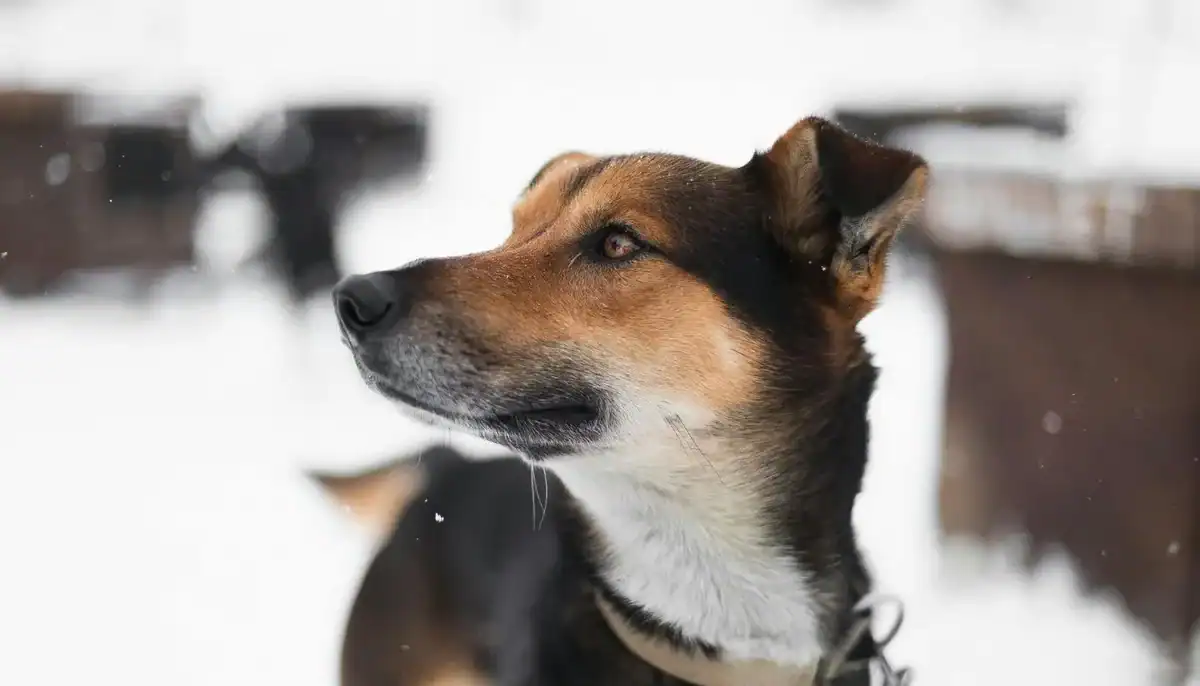
The New Zealand Huntaway is a New Zealand herding dog developed to drive sheep across vast mountainous terrain using its exceptionally loud voice.
What makes this working sheepdog compelling is the combination of immense stamina and a friendly temperament. They offer incredible endurance and take direction well over long distances.
This guide draws on data from the new zealand sheepdog trial association, working stock breeders, and veterinary reference materials to present an accurate picture of what ownership actually involves.
Households that provide consistent farm work or advanced athletic outlets are rewarded with a highly trainable partner. These animals thrive when given a clear job and plenty of space to run.
Anyone considering a new puppy needs to know what they are committing to regarding exercise and noise. Households without acreage or those living in close proximity to neighbors should review the daily volume and activity demands honestly before deciding.
Affiliate Disclosure: K9Sphere is a participant in the Amazon Services LLC Associates Program. As an Amazon Associate, K9Sphere earns from qualifying purchases made through links in this article at no additional cost to you. Product recommendations are based on independent research and editorial judgment, not paid placement.
Breed Snapshot
📊 Vitals and Lifespan
Height
20–24 in (51–61 cm)
Weight
40–66 lb (18–30 kg)
Lifespan
12–14 years
Breed Group
Working Stock / Herding
Origin
New Zealand
🇳🇿
⭐ Personality Traits
Ratings (1 to 5). This is a highly vocal and intensely active herding animal built for rugged work.
History and Origin
The development of this animal traces back to the high country of New Zealand. Farmers needed a reliable partner to manage immense flocks over rough, brush-covered terrain.
📌 Late 1800s: Early Imports
British collies arrived but struggled with the terrain. Shepherds needed a working dog with more voice to move new zealand sheep across wide valleys and dense brush where visual herding commands were impossible.
📌 1900s: Developing the Voice
Ranchers crossed the border collie with vocal hounds. They selected strictly for working ability rather than appearance to create the ultimate working farm dog capable of sustained vocalization.
📌 1920s: Formal Recognition
The huntaway dog breed gained structure. The new zealand sheepdog trial association began hosting specific events for dogs that used their voice to herd, cementing their unique working style.
📌 Modern Era: A Separate Breed
Today they are a separate breed with a dedicated registry in NZ. It remains rare outside its homeland but excels on large ranches worldwide.
Physical Characteristics
Because they are bred strictly for working ability, their physical traits reflect stamina and power. They are strongly built with muscular limbs and a deep chest that supports enormous lung capacity.
🎨 Function Over Form
The official breed standard does not dictate color. The type and size will vary depending on the specific terrain they work. Most huntaways are large and athletic, capable of running all day without fatigue.
🏗️ Coat and Build
The official breed standard allows for variety, but they usually have a black and tan coat that comes in smooth, rough, or grizzly textures depending on the specific bloodline. They have a moderate shed and require minimal maintenance, making them easy to care for in rural settings.
Character and Temperament
Their temperament is entirely shaped by their job. They are highly active, extremely focused, and thrive on having a purpose. When they lack a job, their intelligence often leads to destructive behaviors.
🛡️ Friendly and Driven
This is an active and friendly animal. They bond closely with their family but maintain a strong desire to work hard every day. They are not naturally aggressive toward strangers.
🔥 The Barking Tool
Their bark is their primary tool. A barking problem can develop if they are bored or confined. They need a lot of physical activity to stay quiet indoors.
💪 High Energy Needs
They require massive exercise. A quick walk will not tire them out. Without a proper outlet for their drive, they frequently suffer from separation anxiety when left alone.
🧠 Trainable and Smart
Basic obedience is required early. They respond well to a pro trainer. Their intelligence makes them adaptable to complex commands and diverse working environments.
Screening and Conditions
Veterinary Disclaimer: The information in this article is for educational purposes only and is not a substitute for professional veterinary advice, diagnosis, or treatment. K9Sphere’s authors are experienced dog owners, not licensed veterinarians. Always consult a qualified DVM regarding any health concerns about your pet. Never disregard professional veterinary advice or delay seeking it because of something you have read on this site.
Most are bred from working stock, resulting in a hardy and resilient constitution. However, they share certain vulnerabilities with other large herding animals that require monitoring.
🔴 Hip Dysplasia
What to watch for: Limping, stiffness after rest, and a reluctance to run or jump. Joint issues occur frequently in large active dogs that run on uneven ground.
Management: Maintain a lean weight to reduce stress on the skeletal system. Add a joint supplement early to support cartilage health. Ask breeders for hip scores on both parents.
🟡 Mucopolysaccharidosis Type IIIA
What to watch for: Veterinary literature documents a breed-specific genetic predisposition in Huntaways to this inherited metabolic disorder, which causes progressive neurological decline. Symptoms include ataxia, tremors, and severe balance issues.
Management: Responsible breeders test their working stock for this condition using available DNA tests. Always ask the breeder for genetic test results before bringing a puppy home.
🟡 Ear Infections
What to watch for: Head shaking, scratching at the ears, and a foul odor. Drop ears trap moisture and dirt during field work.
Management: Clean their ears regularly after they work in wet conditions. Prepare for unexpected vet bills if infections become chronic due to neglect.
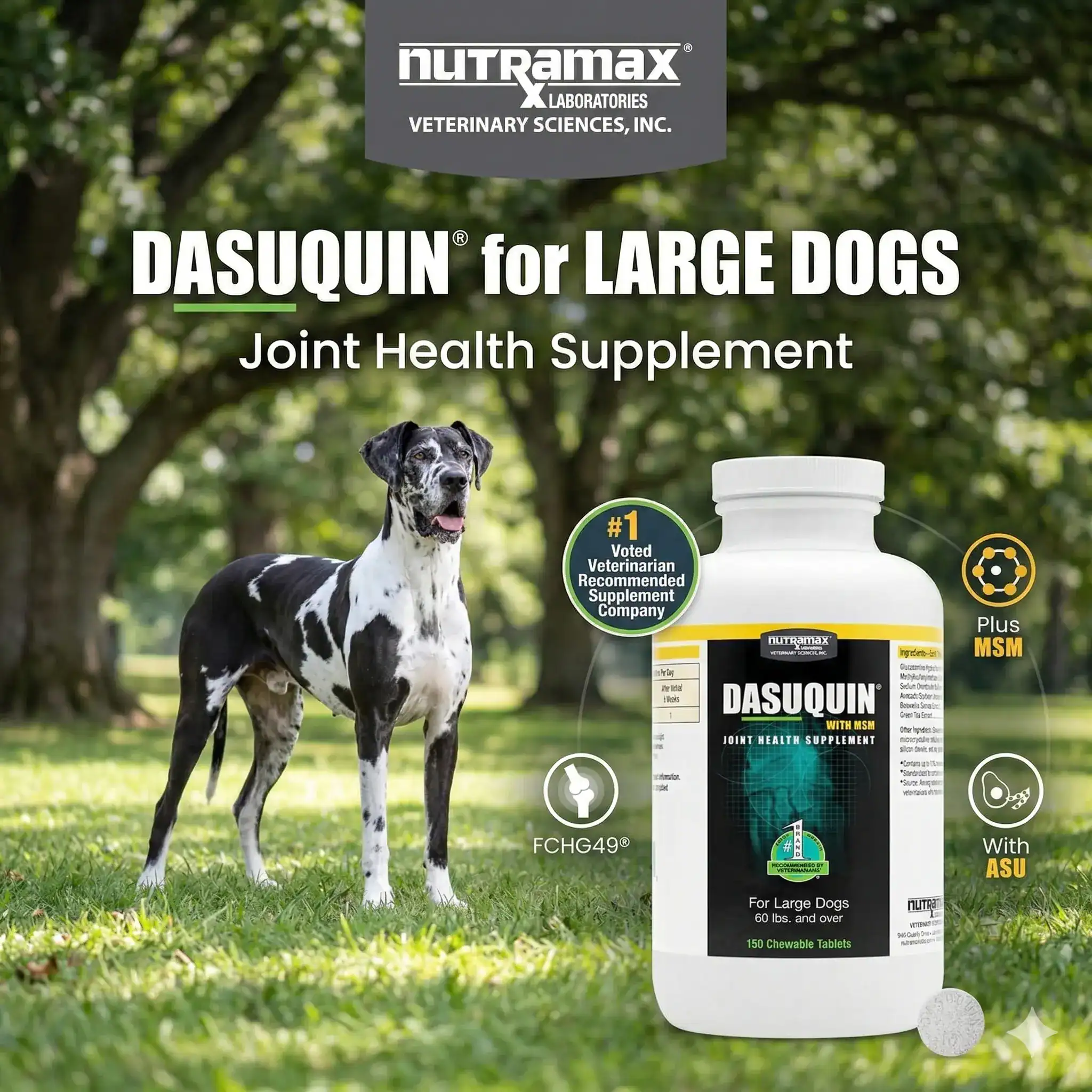
Nutramax Dasuquin with MSM Soft Chews for Large Dogs
Use for: Supporting joint health in large, active herding breeds prone to hip dysplasia. Combines glucosamine, chondroitin, and MSM to maintain mobility during heavy work.
Check price on AmazonGrooming and Coat Care
The short coat is extremely easy to manage. They have a moderate shed that requires basic attention. Use a brush once a week to remove loose hair and distribute natural oils.
You only need to bathe them when they get extremely muddy. Using a high-quality product like Wahl dog shampoo keeps their skin healthy without stripping essential oils. Learn how to groom them at home to save money and keep their coat in top condition. Keep their nails trimmed short to protect their joint health during high-speed turns.
Exercise and Living Needs
Living in an apartment is impossible. They need a farm setting or several acres to run freely. It takes significant effort to meet their daily level of energy, as they are built to cover miles of rough country.

Furbo 360° Dog Camera
Use for: Monitoring high-energy breeds when left indoors. Two-way audio lets you interrupt loud barking sessions, while 360-degree coverage tracks their movement.
Check price on AmazonNutrition & Diet
They require a high protein diet to fuel their muscles during long days in the field. Choose a premium dog food formulated specifically for active working breeds to ensure they get enough calories.
Establish a strict feeding schedule to maintain proper digestion. Adjust their portions based on their seasonal workload. An active lifestyle prevents obesity, but overfeeding during the winter off-season will quickly lead to weight gain.
Training
You must teach them when to use their voice appropriately. They learn quickly but require firm and consistent guidance to understand boundaries. Basic obedience is mandatory from a young age.
Read a reliable training guide to understand their herding instincts. Positive reinforcement works best. A pro trainer can help you establish a strong recall, which is vital for any off-leash work in open areas.
Huntaway vs Border Collie vs Australian Kelpie vs New Zealand Heading Dog
Check our Breed comparison table below to understand how they differ from other herding specialists. The australian kelpie is similar in stamina but typically smaller. The New Zealand Heading Dog uses intense eye contact to move sheep rather than relying on a booming voice.
| Attribute | New Zealand Huntaway | Border Collie | Australian Kelpie | New Zealand Heading Dog |
|---|---|---|---|---|
| Weight | 40–66 lb (18–30 kg) | 30–55 lb (14–25 kg) | 31–46 lb (14–21 kg) | 35–55 lb (16–25 kg) |
| Original Purpose | Vocal sheep herding | Visual sheep herding | Endurance sheep herding | Visual sheep herding |
| Energy Type | Extreme stamina | High intensity | Tireless endurance | High speed bursts |
| Trainability | Highly trainable | Exceptional | Highly trainable | Highly trainable |
| Grooming | Low maintenance | Moderate maintenance | Low maintenance | Low maintenance |
| Threat Response | Vocal alert | Alert bark | Alert bark | Reserved |
| First-Time Owner? | No | With dedication | No | No |
| Common Health Risks | Hip dysplasia, MPS IIIA, ear infections | Hip dysplasia, epilepsy, CEA | Hip dysplasia, PRA, cerebellar abiotrophy | Hip dysplasia, PRA, arthritis |
| Living Space | Farm or acreage required | House with large yard | Farm or acreage required | Farm or acreage required |
Common Questions about the Huntaway
What is a huntaway dog?
Direct Answer: It is a large herding dog from New Zealand that uses its loud bark to move sheep.
Context: They were bred specifically for steep terrain where visual herding fails and shepherds need vocal power to control massive flocks.
Management: Provide ample space and understand their highly vocal nature before bringing one home.
What breeds make up a huntaway?
Direct Answer: They were originally created by crossing British collies with vocal hounds.
Context: Early ranchers mixed breeds strictly for stamina and voice to survive the rugged high country.
Management: Focus on their working traits rather than their exact genetic makeup when evaluating a puppy.
How to stop a huntaway barking?
Direct Answer: You cannot stop it entirely because it is an instinct, but you can manage it with exercise and training.
Context: A bored huntaway will bark at everything to release pent-up energy.
Management: Give them a demanding physical job and teach a quiet command from puppyhood.
How much does a Huntaway cost?
Direct Answer: Prices range from USD 500 to USD 1,500 for a puppy in New Zealand. Pricing varies by country, with UK, Canada, and Australia rates differing.
Context: It is hard to find a breeder near you in the usa. Importing a dog to North America or Europe often adds USD 2,000 to USD 4,000 in international transport, health certificates, and quarantine fees.
Management: Factor the high cost of transport and mandatory health tests into your initial budget if you live outside Australasia.
How long do huntaway dogs live?
Direct Answer: Their average lifespan is 12 to 14 years.
Context: They are generally healthy and hardy animals built for harsh outdoor environments.
Management: Provide high quality food and regular vet care to maximize their working years.
How big do huntaway dogs get?
Direct Answer: They typically weigh between 40 and 66 pounds and stand 20 to 24 inches tall.
Context: Size varies widely because they are bred strictly for function rather than a uniform appearance.
Management: Ensure you have the physical strength to handle a large and powerful animal.
How to train a huntaway?
Direct Answer: Start with basic obedience and focus heavily on recall and voice control.
Context: They are smart but need clear direction to understand when to use their loud bark.
Management: Use positive reinforcement and consider hiring a professional if you lack experience with herding breeds.
What does huntaway eat?
Direct Answer: They need a nutrient-dense diet formulated for highly active working breeds.
Context: They burn massive calories during a full day of work in the hills.
Management: Adjust their portions based on their daily activity to prevent weight gain during off seasons.
Are Huntaways good with a kid?
Direct Answer: Yes, they are generally friendly and good-natured, but their size can be overwhelming.
Context: They have a bouncy energy that can accidentally knock over small children during play.
Management: Always supervise interactions with a kid and teach children how to behave around large dogs.
Can you keep a Huntaway in an apartment?
Direct Answer: No, an apartment setting is completely unsuitable for this breed.
Context: They need immense space to run and their incredibly loud bark will immediately cause issues with neighbors.
Management: Only consider this breed if you have a large fenced yard or significant acreage.
What is the best dog food for a Huntaway?
Direct Answer: High-protein, calorie-dense working formulas like Purina Pro Plan Sport Performance or Victor Hi-Pro Plus are ideal.
Context: These dogs burn massive amounts of calories during a full day of herding. Standard companion-breed kibble simply will not maintain their muscle mass or energy levels during peak working seasons.
Management: Feed twice daily to reduce the risk of bloat, and adjust portion sizes down during the off-season to prevent rapid weight gain.
Are male or female Huntaways better?
Direct Answer: Both sexes perform equally well in the field, with males typically being slightly larger and heavier than females.
Context: Working ability and vocal power are determined by genetics and training, not sex. The choice usually comes down to breeder availability rather than a significant difference in temperament or stamina.
Management: Discuss your specific farm needs with the breeder, as individual dog temperament matters far more than whether the puppy is male or female.
What does a huntaway dog look like?
Direct Answer: They look like large, athletic sheepdogs with a deep chest, drop ears, and typically a black and tan coat.
Context: Because they are bred strictly for herding performance rather than the show ring, there is a lot of physical variation. Some are stocky while others are lean, depending on the terrain they work.
Management: Do not expect a uniform appearance; prioritize their health clearances and working pedigree over specific coat colors or ear shapes.
Finding a Puppy
It is difficult to buy a puppy outside of New Zealand. You must research every pro and con before deciding to import one. Finding a responsible breeder requires diligence because the huntaway breed is so specialized. The New Zealand Sheepdog Trial Association is the best starting point for breeder directories and working trial contacts.
Many owners prefer to adopt one from working breed rescues. Adult rescues often come with basic training and give you a clear picture of their true activity level.
Personal Observation
💭 Personal Observation
My small rescue mix, Chun Chun, is a vocal alert barker who reacts to sounds outside, and the Huntaway channels that same vocal instinct into a highly effective working tool. My athletic four-year-old rescue, Rambo, taught me what real working energy looks like in a rescue mix. This breed shares that massive exercise demand but pairs it with the deep trainability of a sheepdog. I have learned with all my dogs that trying to tire out an athletic animal with a simple leash walk never works. A dog bred to run across mountains will tear up a living room if kept indoors all day. If you have raised a high-drive working dog, this will feel familiar. If your last pet was a quiet companion, expect a steep adjustment.
Conclusion
Some say it is the best dog for moving large flocks across difficult terrain. They offer incredible loyalty and tireless energy for the right owner.
Before bringing one home, run this 4-step pre-buying check: (1) Can you provide hours of rigorous daily exercise? (2) Do you have a large property without close neighbors who will complain about the noise? (3) Are you prepared to train a highly intelligent animal with a strong work drive? (4) Can you afford the high cost of high-protein food and potential vet bills? If any answer is no, reconsider the breed.
Editorial Disclaimer: This article is for informational and educational purposes only. It does not constitute veterinary advice, medical diagnosis, or treatment recommendations. Always consult a licensed veterinarian before making health-related decisions for your pet.
Accuracy Notice: While every effort has been made to ensure the information presented here is accurate and current, breed information evolves and individual dogs vary. If you spot a factual error or have updated information from a verified source, please contact us so we can review and update.
Product Disclosure: Product recommendations are based on independent research and editorial judgment. Individual results may vary. As an Amazon Associate, K9Sphere earns from qualifying purchases at no additional cost to you.
Last reviewed: May 2026. Article reviewed for accuracy on the date shown above.


